FIFA President Infantino Proposes Selling 20% of World Cup Business, Sparking European Backlash
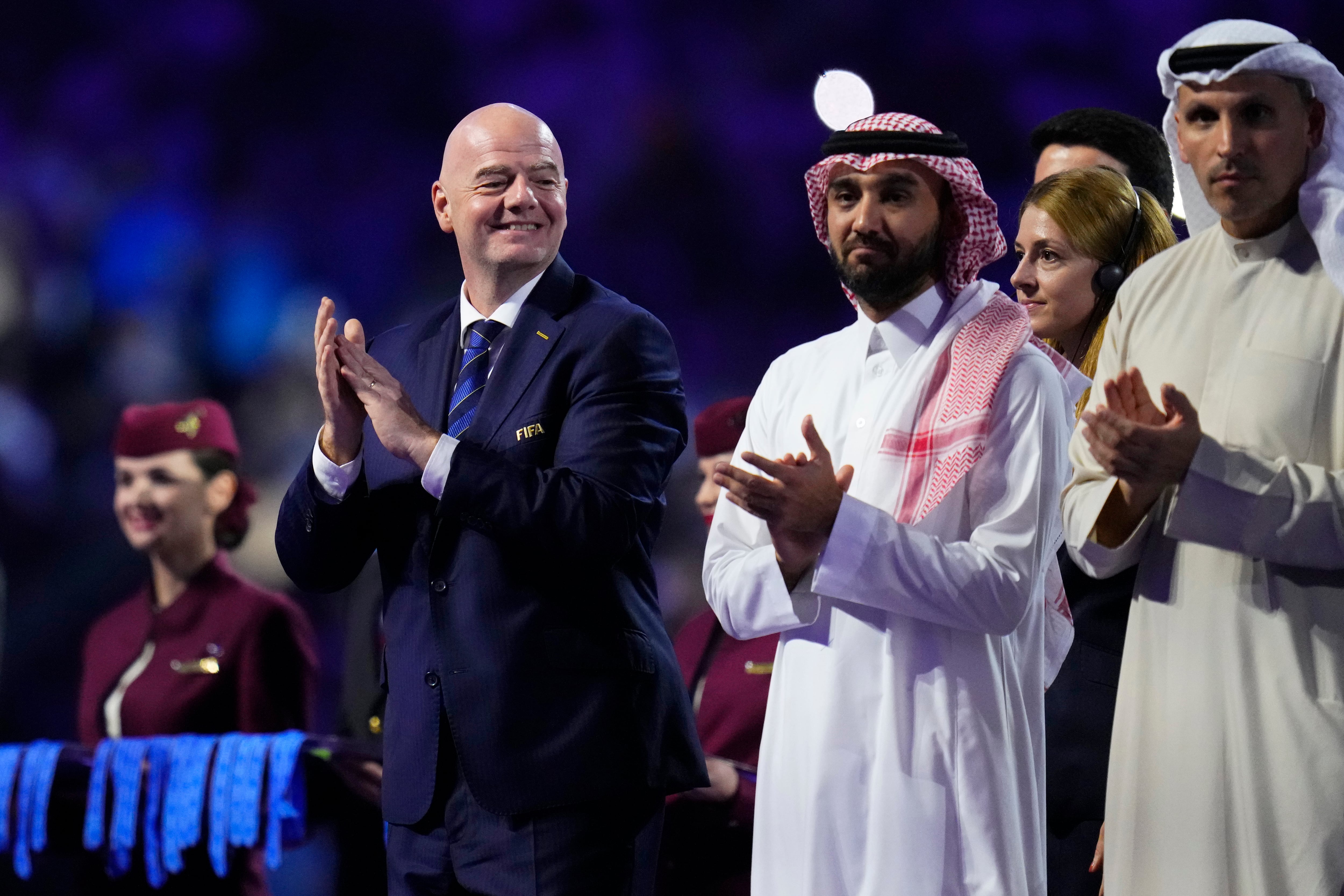
FIFA President Gianni Infantino has announced a controversial plan to sell 20% of the World Cup business to private investors, a move that has drawn sharp criticism from European football officials who are threatening a "schism." This initiative, dubbed FIFA Forward Enterprises (FFE), is a partnership between FIFA and the investment fund Thrive Capital, managed by Joshua Kushner, brother-in-law to former President Trump's son-in-law. The deal, which also involves JP Morgan, aims to raise significant capital by selling stakes in the lucrative World Cup operations. Infantino claims this will triple the funding for FIFA's 211 affiliated federations over the next decade, promising each approximately $80 million. The proposal requires approval from the FIFA Congress and the 37-member FIFA Council. Infantino's plan is reportedly backed by Saudi Arabia, the host of the 2034 World Cup, and the political support of the United States, alongside strong backing from developing nations. However, "old Europe" is pushing back, arguing that Infantino does not have the authority to sell off the sport's assets. This plan signals a significant shift towards a more Americanized business model for global football, mirroring practices seen in leagues like the NFL, which operate on a franchise system without promotion or relegation. The FIFA President's move comes amidst a backdrop of his increased personal power and wealth, with reports suggesting his annual salary could rise to $64 million if he also heads FFE. FIFA insists the venture will not diminish its role as the organizer of major tournaments.
FIFA President Gianni Infantino's proposal to sell a stake in the World Cup business represents a significant financialization of global football, potentially aligning the sport's governance with Wall Street's profit-driven models. The initiative, framed as a way to increase funding for member federations, also raises questions about the concentration of power and the long-term implications for the sport's traditional structures, particularly in Europe. The potential for a European "schism" highlights a fundamental tension between established footballing powers and FIFA's evolving vision, influenced by American sports business practices. This move could accelerate a trend towards a more commercially driven, less democratically governed global sports landscape, where revenue generation and investor interests may increasingly shape decision-making, potentially at odds with the grassroots spirit of the game.
AI-generated to prompt reflection — not editorial opinion, not advice, not a statement of fact. How this works.