FIFA President Infantino Weakened by Withdrawn World Cup Privatization Plan
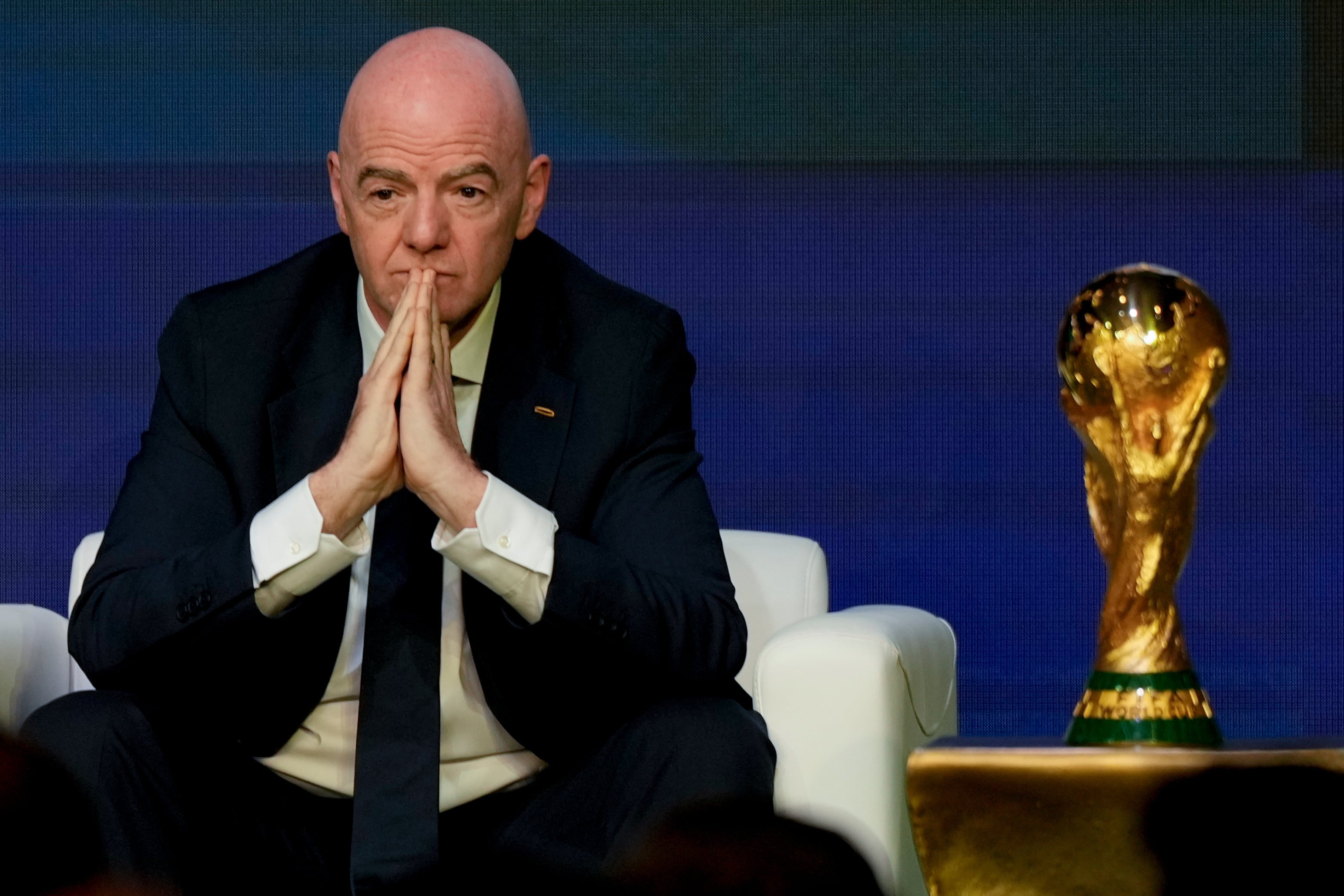
FIFA President Gianni Infantino's authority has been significantly weakened following the withdrawal of his proposal to privatize the World Cup. This decision comes as a major setback for his management, particularly as he faces a mandate renewal in March 2027. The plan, which aimed to bring private investment into the tournament, had generated considerable controversy and opposition. Infantino's administration had been pushing for this privatization as a way to generate substantial revenue and potentially expand the tournament's reach and commercial appeal. However, the strong backlash from various stakeholders, including member associations and football purists, ultimately forced the reversal of the proposal. The incident highlights the delicate balance between commercial interests and the traditional governance structures within international football. Infantino's ability to secure re-election in 2027 may now be jeopardized by this perceived loss of control and the internal divisions it has exposed within FIFA.
The withdrawal of FIFA's World Cup privatization plan underscores the complex interplay between commercial imperatives and the governance structures of global sports organizations. While privatization can offer significant financial benefits and operational efficiencies, it also raises concerns about the potential dilution of control, increased commercialization, and the equitable distribution of revenues. The resistance to the plan suggests a prevailing sentiment that certain core assets, like the World Cup, should remain under the direct stewardship of the governing body to safeguard the sport's integrity and broader interests. For Infantino, this event presents a challenge to his leadership, highlighting the need to navigate stakeholder expectations and maintain consensus within FIFA's diverse membership. Looking ahead, FIFA will need to balance revenue generation strategies with the preservation of its foundational principles, especially as the landscape of sports economics continues to evolve in the digital and AI era.
AI-generated to prompt reflection — not editorial opinion, not advice, not a statement of fact. How this works.
