FIFA President Rejects Private Equity Investment in World Cup
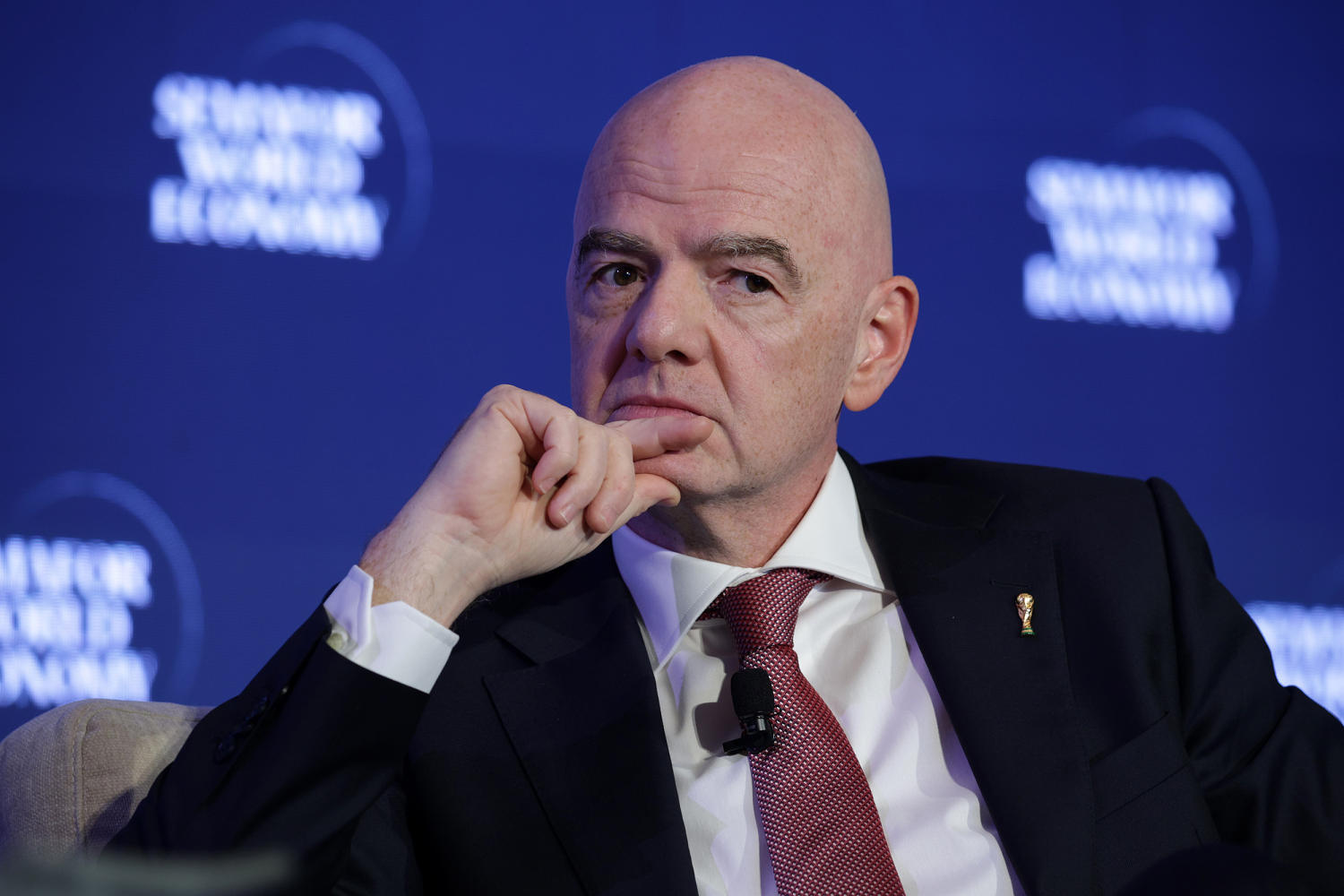
FIFA President Gianni Infantino announced on Friday that the organization will not proceed with a plan to sell stakes in the World Cup to private equity investors. This decision comes after the proposal faced significant criticism. The details of the proposed deal and the specific private equity firms involved were not disclosed. However, the idea had reportedly been under consideration for some time. Infantino's statement effectively ends speculation about a potential shift in the ownership structure of the lucrative World Cup tournament. FIFA has historically maintained full control over its flagship event. The organization generates substantial revenue from the World Cup through broadcasting rights, sponsorships, and ticketing. The potential sale of stakes had raised concerns among various stakeholders about the commercialization of the sport and the long-term implications for football governance. Infantino's rejection suggests that FIFA intends to retain its autonomy and direct management of its most valuable asset.
FIFA's decision to reject private equity investment in the World Cup reflects a tension between maximizing commercial revenue and preserving institutional control over a globally significant sporting event. While private equity could offer capital for expansion or operational improvements, it also introduces external financial pressures and potential conflicts with FIFA's governance objectives. The organization's move to maintain full ownership suggests a strategic prioritization of long-term autonomy and its established revenue streams over short-term capital injections. This approach aligns with a broader trend where major sports entities are increasingly wary of ceding control to financial entities, especially as the economic value of sports properties continues to escalate in the digital and media landscape. The decision may also be influenced by the potential for negative public perception and the risk of alienating football federations and fan bases concerned about commercial overreach.
AI-generated to prompt reflection — not editorial opinion, not advice, not a statement of fact. How this works.