FIFA Presidential Race Heats Up as UEFA Probes Al-Khelaïfi and Infantino Expands Global Reach
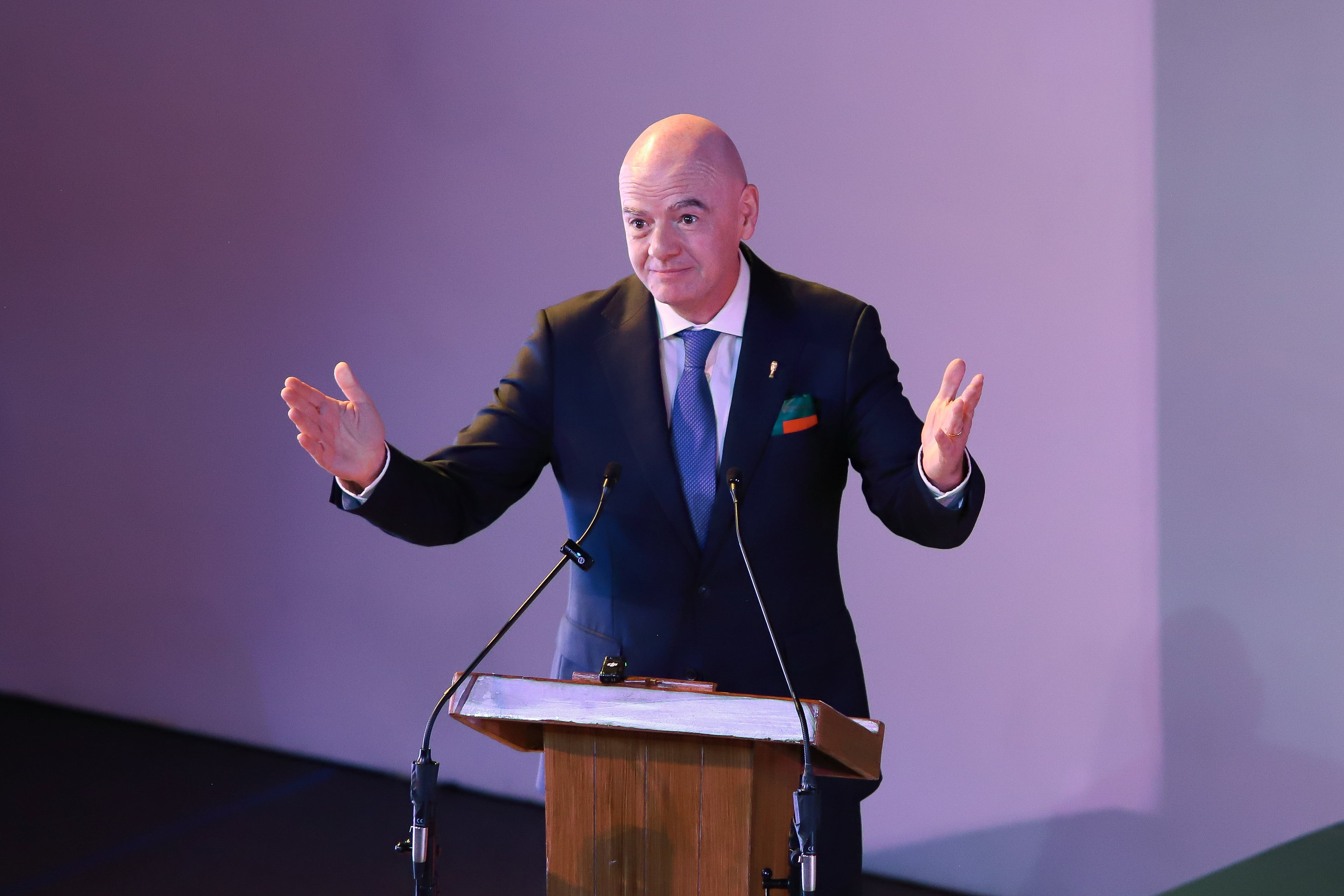
As UEFA investigates Paris Saint-Germain (PSG) president Nasser Al-Khelaïfi, FIFA President Gianni Infantino is reportedly solidifying his position by securing support from 200 countries. The FIFA presidential elections are scheduled for March 2027, and Infantino's actions suggest he is preparing for a potential challenge. Al-Khelaïfi, who also heads beIN Media Group, is under scrutiny by UEFA, raising questions about his future involvement in football governance. Infantino, currently leading world football, appears to be proactively strengthening his standing within the international football community. This behind-the-scenes maneuvering indicates a brewing power struggle for the FIFA presidency. The developments surrounding Al-Khelaïfi's UEFA probe and Infantino's diplomatic efforts suggest a complex political landscape leading up to the 2027 elections. Infantino's strategy seems aimed at consolidating his influence ahead of any potential candidacy from Al-Khelaïfi or other figures.
The unfolding dynamics surrounding the FIFA presidency highlight the intricate interplay between continental confederations and the global governing body. UEFA's scrutiny of Al-Khelaïfi, a prominent figure in both club and media football, introduces a significant variable into the established power structures. Infantino's reported expansion of FIFA's global reach, potentially securing support from 200 member nations, demonstrates a strategic consolidation of influence. This preemptive maneuvering suggests an awareness of potential challenges and a focus on reinforcing institutional loyalty. The situation raises questions about governance transparency and the potential for conflicts of interest within international sports organizations, particularly as the 2027 elections approach. Future leadership contests will likely be shaped by these underlying tensions between national interests, continental bodies, and the overarching FIFA mandate.
AI-generated to prompt reflection — not editorial opinion, not advice, not a statement of fact. How this works.