FIFA Rejects Belgium's Appeal Over Folarin Balogun's Red Card Reversal
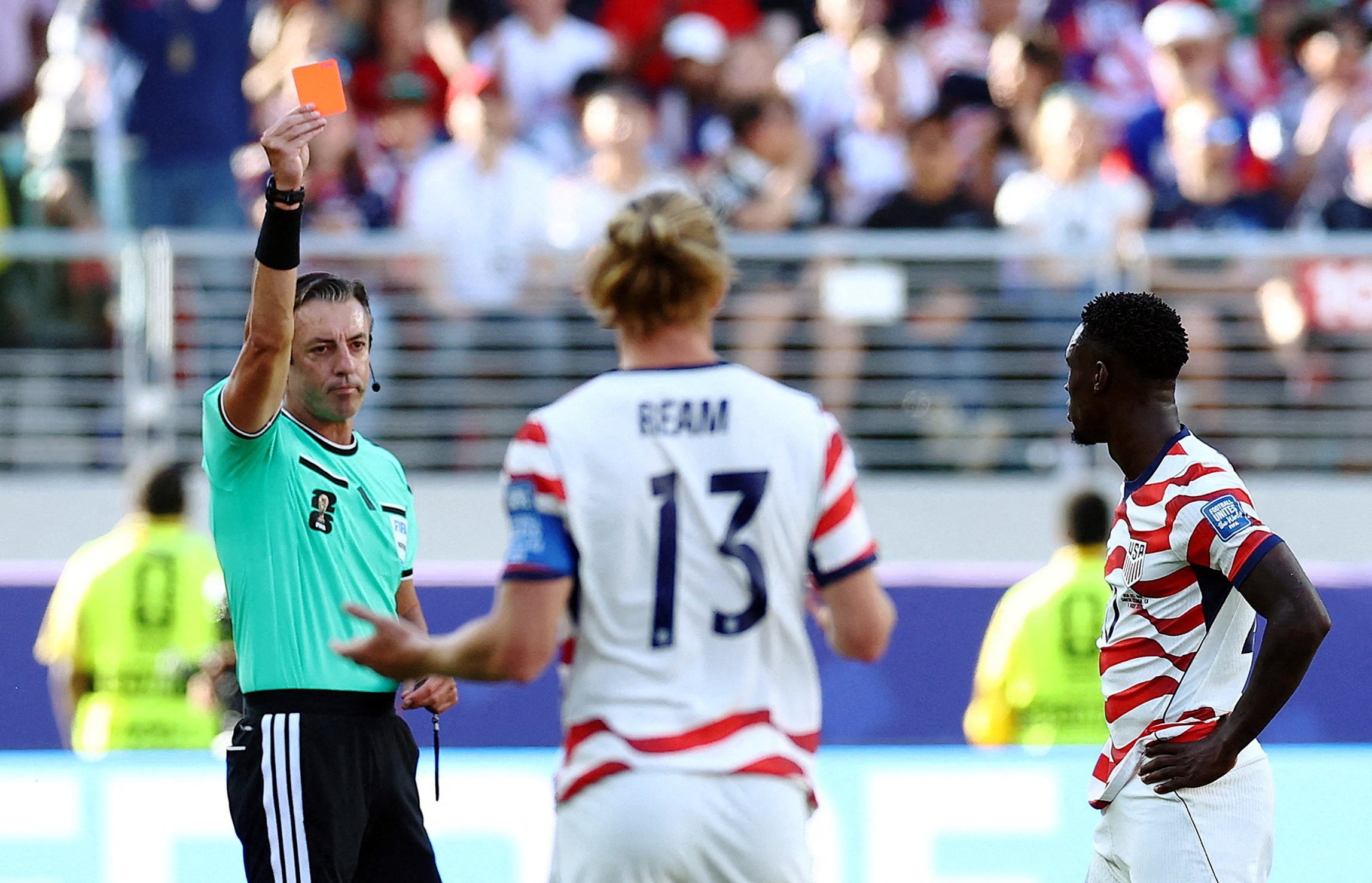
FIFA has rejected an appeal from the Belgian Football Association regarding the decision to overturn a red card issued to U.S. player Folarin Balogun. Belgium had demanded explanations before their World Cup match against the U.S. on Monday, December 6th, seeking a place in the quarterfinals. FIFA deemed Belgium's request inadmissible, stating they are not a party to the proceedings and lack the legitimacy to appeal the decision. The Belgian federation argued that they had not received the FIFA decision or any explanation, and that a red card automatically results in a suspension for the next match, as per FIFA's Disciplinary Code. They also contended that Balogun's clearance contradicted Article 10.5 of the 2026 World Cup Regulations, which mandates automatic punishment. The Belgians are investigating all potential options to address the case, citing the protection of fair play principles and participant rights. Separately, a U.S. official revealed that Donald Trump contacted FIFA President Gianni Infantino to understand the reason for Balogun's red card during the game against Bosnia and Herzegovina on Wednesday, November 1st. Balogun received the red card for stepping on an opponent's ankle. The U.S. government provided additional evidence for the appeal, though the process was handled by an independent council. Trump publicly thanked FIFA for reversing what he called a "great injustice." U.S. coach Mauricio Pochettino also celebrated the decision, calling the original red card unfair and stating that most people agreed with his assessment.
FIFA's decision to reject Belgium's appeal highlights the complexities of disciplinary processes and the potential for external influence in sports governance. The ruling underscores FIFA's stance on procedural standing, emphasizing that only directly involved parties can appeal. However, the reported involvement of Donald Trump in contacting FIFA's president raises questions about the independence of FIFA's decision-making bodies, particularly when high-profile individuals or national interests are perceived to be at stake. This situation prompts consideration of how international sports federations balance adherence to their own regulations with managing relationships with powerful stakeholders. The incident also underscores the importance of transparent communication and clear, consistently applied rules to maintain the integrity of competition, especially in high-stakes tournaments like the World Cup. Future governance models may need to further fortify independent review mechanisms to mitigate perceptions of undue influence and ensure equitable application of rules for all participating nations.
AI-generated to prompt reflection — not editorial opinion, not advice, not a statement of fact. How this works.