FIFA Responds to UEFA Threat: "No One Is Selling Football"
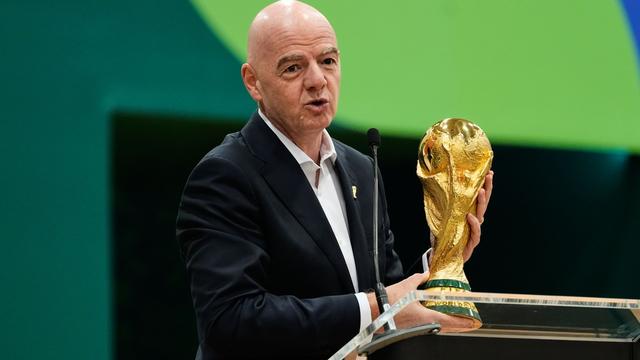
FIFA has responded to sharp criticism and a threat from UEFA, stating that "no one is selling football." The statement comes amidst ongoing tensions and disagreements between the two governing bodies regarding the future of football governance and commercialization. UEFA had previously issued a warning or threat, though the specifics of this threat are not detailed in the provided text. FIFA's assertion aims to reassure stakeholders that the integrity and fundamental nature of the sport are not being compromised. This exchange highlights a power struggle and differing visions for the sport's direction. The situation suggests a complex negotiation or conflict over control and revenue streams within international football. Both organizations are key players, and their differing stances could have significant implications for clubs, players, and fans worldwide. The core of the disagreement appears to be about how football is managed and potentially commercialized, with FIFA emphasizing its position against what it perceives as a sale of the sport.
The public exchange between FIFA and UEFA reflects underlying strategic tensions regarding the commercialization and governance of global football. FIFA's firm stance, "No one is selling football," likely aims to counter perceptions of excessive commercial influence or potential asset stripping, while simultaneously asserting its authority. UEFA's implied threat suggests a willingness to leverage its significant influence, possibly through competition law or regulatory channels, to protect its interests and model. This dynamic highlights the ongoing debate between centralized control and decentralized competition within sports organizations. The next decade will likely see increased pressure on these bodies to balance revenue generation with fan access and competitive balance, especially as digital platforms and new media continue to reshape sports consumption and economics.
AI-generated to prompt reflection — not editorial opinion, not advice, not a statement of fact. How this works.