FIFA Reverses Balogun Ban After Trump Intervention, Sparking Outrage
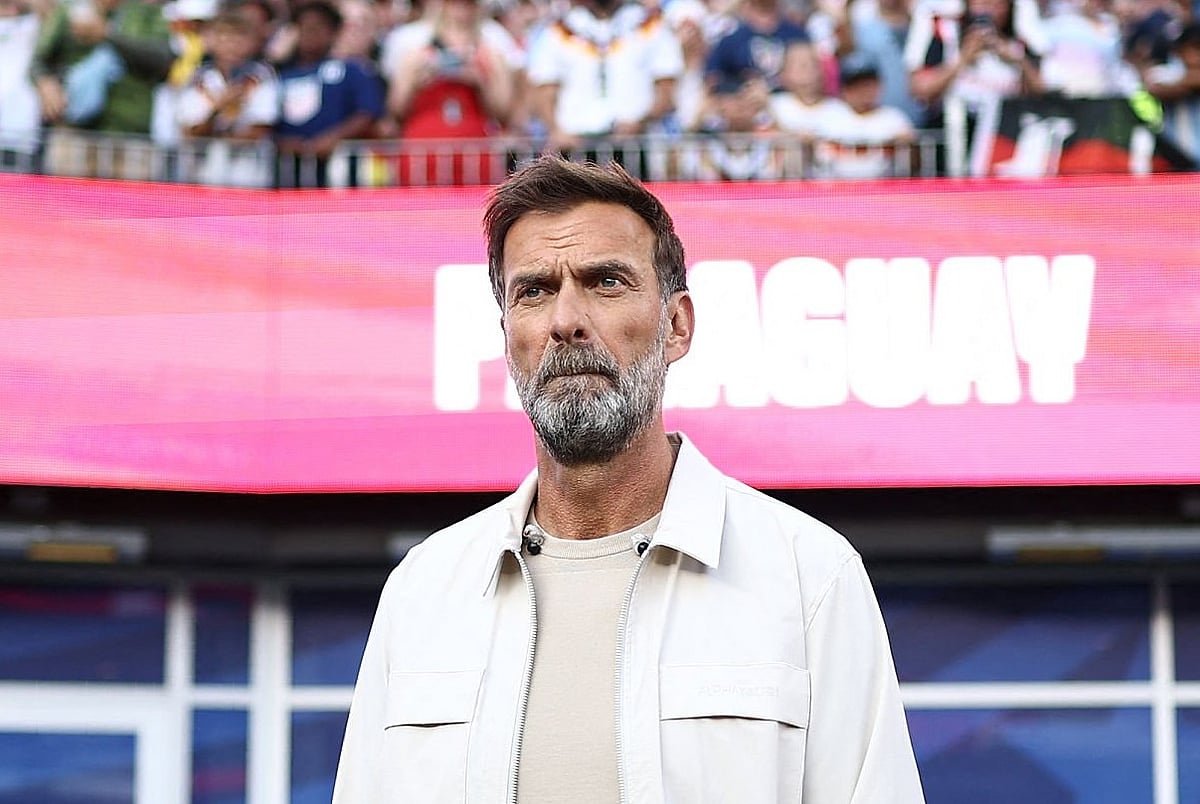
FIFA has controversially reversed its decision to ban US striker Folarin Balogun for a red card offense, allowing him to play against Belgium in a crucial World Cup match. Initially, FIFA had stated there was no possibility of appeal after Balogun received a direct red card against Bosnia and Herzegovina. However, just before the knockout stage game, FIFA changed its stance following a discussion between US President Donald Trump and FIFA President Gianni Infantino. This decision has caused significant uproar in the football world, with many questioning the integrity of the sport's governing body. Former Liverpool and Germany coach Jürgen Klopp expressed strong disapproval, stating that individuals with no understanding of football should not influence decisions in the sport. He emphasized that the red card was clear and that rules must be upheld, regardless of the player's intent. Norway's coach, Stale Solbakken, echoed these sentiments, calling the decision "very, very, very bad" and a blemish on the World Cup. He warned that such actions set a dangerous precedent, undermining the authority of referees and potentially leading to future controversies. FIFA also permitted Belgium to appeal the decision, further intensifying the pre-match tension. The situation raises questions about external influences on sporting regulations and their potential impact on the fairness of international competitions.
This event highlights a potential conflict between political influence and the established rules and governance of international sports. The intervention by President Trump and FIFA President Infantino, if accurately reported, suggests that geopolitical relationships may supersede sporting regulations, potentially eroding trust in FIFA's impartiality. Such actions could create a precedent where outcomes are determined by external pressures rather than the merits of the game and its established disciplinary procedures. This challenges the principle of fair play and could lead to increased scrutiny of FIFA's decision-making processes, particularly concerning the autonomy of sporting bodies from political interference. The long-term implication could be a demand for greater transparency and accountability in how sporting rules are applied and enforced, especially in high-stakes global events.
AI-generated to prompt reflection — not editorial opinion, not advice, not a statement of fact. How this works.