FIFA Reverses Red Card After Alleged Trump Intervention, Sparking Controversy
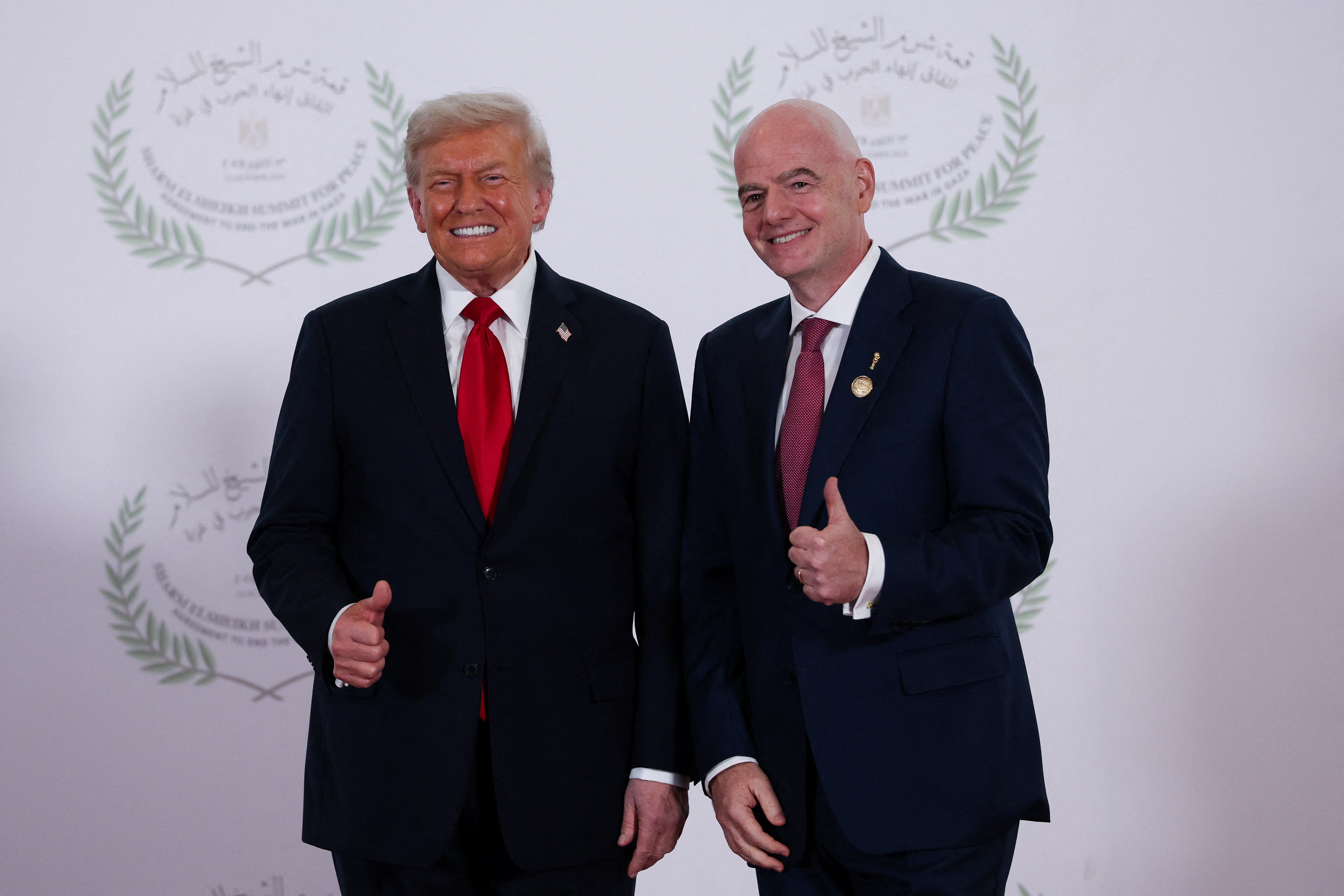
The Fédération Internationale de Football Association (FIFA) controversially overturned a red card issued to U.S. attacker Folarin Balogun during the World Cup on Sunday, November 5th. Reports suggest that U.S. President Donald Trump directly contacted FIFA President Gianni Infantino to request a review of the decision made by Brazilian referee Raphael Claus. Consequently, Balogun is now eligible to play in the U.S. team's Round of 16 match against Belgium on Monday, November 6th. This intervention has placed FIFA's disciplinary process under intense global scrutiny and highlighted the growing ties between international football governance and political power, a central theme of this World Cup. The decision quickly generated significant media attention, with analysts and former players debating whether FIFA upheld justice or undermined its own rules. This situation follows other controversies concerning the perceived close relationship between Infantino and Trump. Balogun had received a straight red card for stepping on an opponent's ankle, an initial decision confirmed by VAR, despite protests from U.S. coach Mauricio Pochettino. FIFA stated Balogun would be subject to a one-year probationary period, citing its disciplinary code which allows for the total or partial suspension of sanctions. The U.S. Soccer Federation accepted the decision, while Trump publicly thanked FIFA for reversing what he called a "great injustice." The White House also celebrated the outcome on social media. Other national teams, including Belgium, expressed surprise and concern, with the Royal Belgian Football Association (RBFA) stating that FIFA's regulations clearly mandate a suspension for a red card. The RBFA is reportedly exploring all possible options to address the situation. This incident echoes a similar event in 1962 when Brazilian player Garrincha's red card was reportedly overturned after political pressure, allowing him to play in the final. More recently, FIFA has allowed suspensions for Cristiano Ronaldo, Nicolás Otamendi, and Moisés Caicedo to be deferred, enabling them to participate in early World Cup matches.
The FIFA decision to reverse Folarin Balogun's red card, allegedly following direct intervention from U.S. President Donald Trump, raises significant questions about institutional independence and the application of sporting regulations. While FIFA's disciplinary code allows for discretionary sanction adjustments, the timing and perceived external influence cast doubt on the impartiality of the process. This event underscores a broader trend of political actors seeking to leverage international sporting bodies for nationalistic or personal gain, potentially eroding the integrity of sports governance. The precedent set by this decision could incentivize future political interference, creating a complex dynamic where geopolitical considerations may override established rules, impacting fair play and the trust placed in sporting federations. Looking ahead, such instances highlight the challenge for organizations like FIFA to maintain autonomy and consistent rule enforcement in an increasingly interconnected world where political and economic powers exert considerable influence.
AI-generated to prompt reflection — not editorial opinion, not advice, not a statement of fact. How this works.