FIFA's Balogun Decision Criticized by Belgium and EU as Political Interference
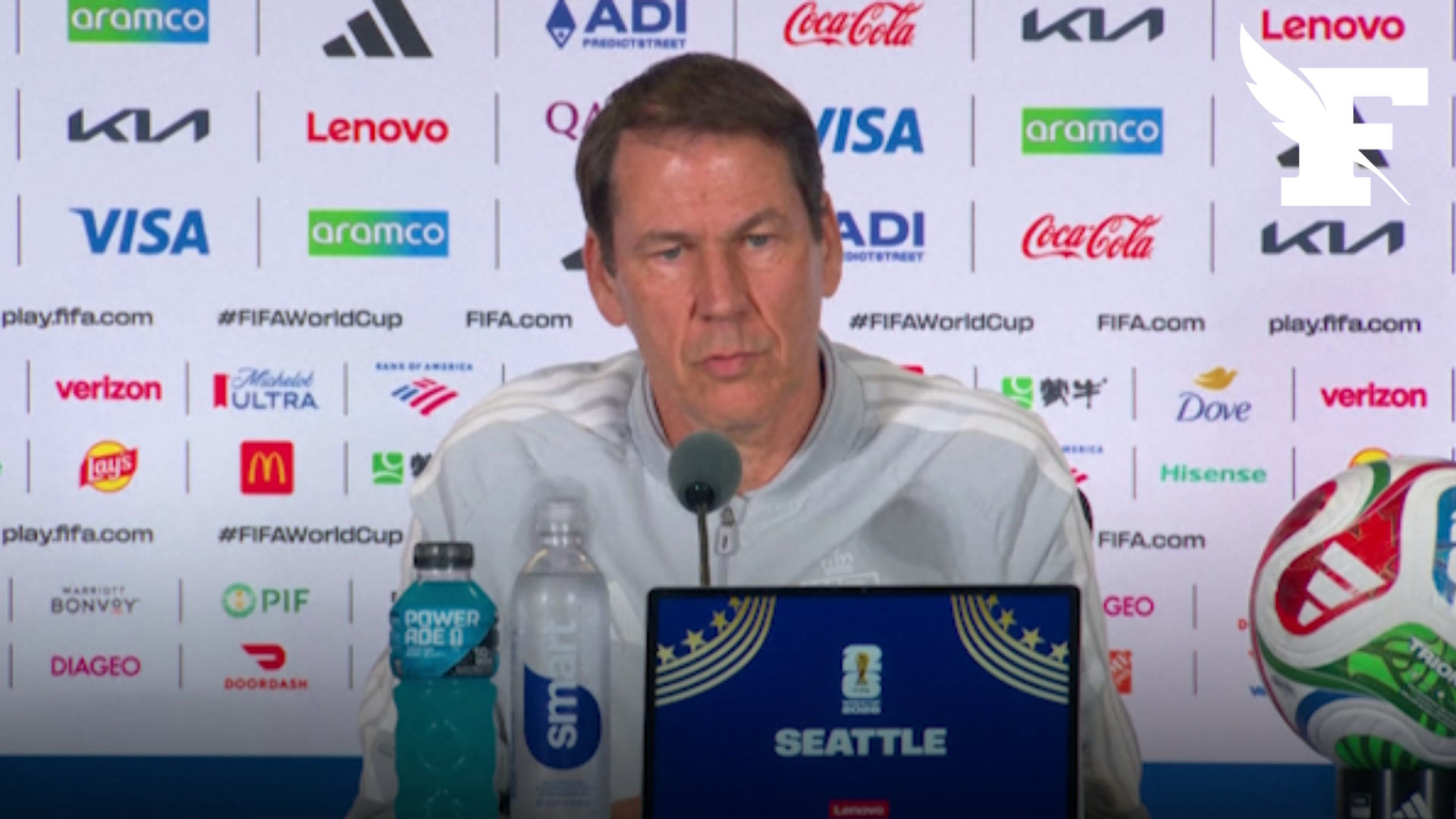
Belgium's diplomatic corps and the European Union have expressed outrage over what they perceive as political interference in the suspension of American forward Folarin Balogun. Both entities have labeled FIFA's decision as "incomprehensible" and an "attack on the autonomy of sport." The specific details of Balogun's suspension and the nature of the alleged political interference were not provided in the original text. However, the strong reactions from Belgian diplomacy and the EU indicate a significant concern regarding the integrity of sporting governance and the potential for external political pressures to influence decisions made by international sports federations. This incident highlights ongoing tensions between national governments, supranational bodies like the EU, and international sports organizations regarding jurisdiction and decision-making processes.
The involvement of national and supranational political bodies in challenging a FIFA decision suggests a broader debate about the boundaries between sports governance and political sovereignty. The EU's characterization of the situation as an "attack on the autonomy of sport" implies a concern that external political influence could undermine the self-regulatory principles of international sports federations. This tension may reflect differing interpretations of how international sporting bodies should operate within the geopolitical landscape, particularly when decisions impact athletes or national interests. Future developments could see increased scrutiny of FIFA's decision-making processes and a push for greater transparency or a clearer delineation of responsibilities between sporting organizations and political entities.
AI-generated to prompt reflection — not editorial opinion, not advice, not a statement of fact. How this works.