Fifa's Commercialization Plans: Did Infantino Miscalculate?
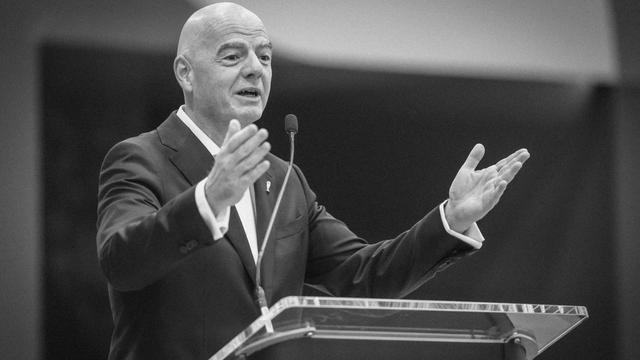
Fifa, under the leadership of Gianni Infantino, had explored a plan to sell stakes in a commercialization company. This proposed venture aimed to generate revenue by bringing in external investors who would acquire a share in the company responsible for marketing Fifa's assets and events. The intention behind this strategy was likely to secure significant upfront capital, potentially for investment in football development projects worldwide or to bolster Fifa's financial reserves. However, the idea raised concerns among various stakeholders regarding the long-term implications for the governance and integrity of international football. Critics worried that selling stakes could compromise Fifa's independence and potentially lead to commercial interests unduly influencing sporting decisions. The potential consequences for the global football landscape were a subject of intense debate, with questions arising about who would ultimately benefit from such a deal and whether it aligned with Fifa's mandate to serve the sport. Ultimately, the feasibility and desirability of this commercialization strategy were called into question, leading to speculation about whether Infantino had accurately assessed the potential fallout and support for his ambitious plans.
Fifa's exploration of selling stakes in a commercialization entity reflects a broader trend of sports organizations seeking innovative revenue streams and external investment. This approach, while potentially offering immediate financial benefits, introduces complex governance challenges. The critical tension lies between maximizing commercial returns and safeguarding the sporting integrity and autonomy of the organization. Future considerations for sports governance bodies will likely involve balancing the allure of private capital with the need for transparency, accountability, and the preservation of the sport's core values. Examining the incentive structures for both Fifa and potential investors will be crucial in understanding the long-term implications for global football's development and equitable distribution of resources.
AI-generated to prompt reflection — not editorial opinion, not advice, not a statement of fact. How this works.