FIFA's 'Forward Enterprise' Project Sparks Conflict with UEFA and Other Confederations
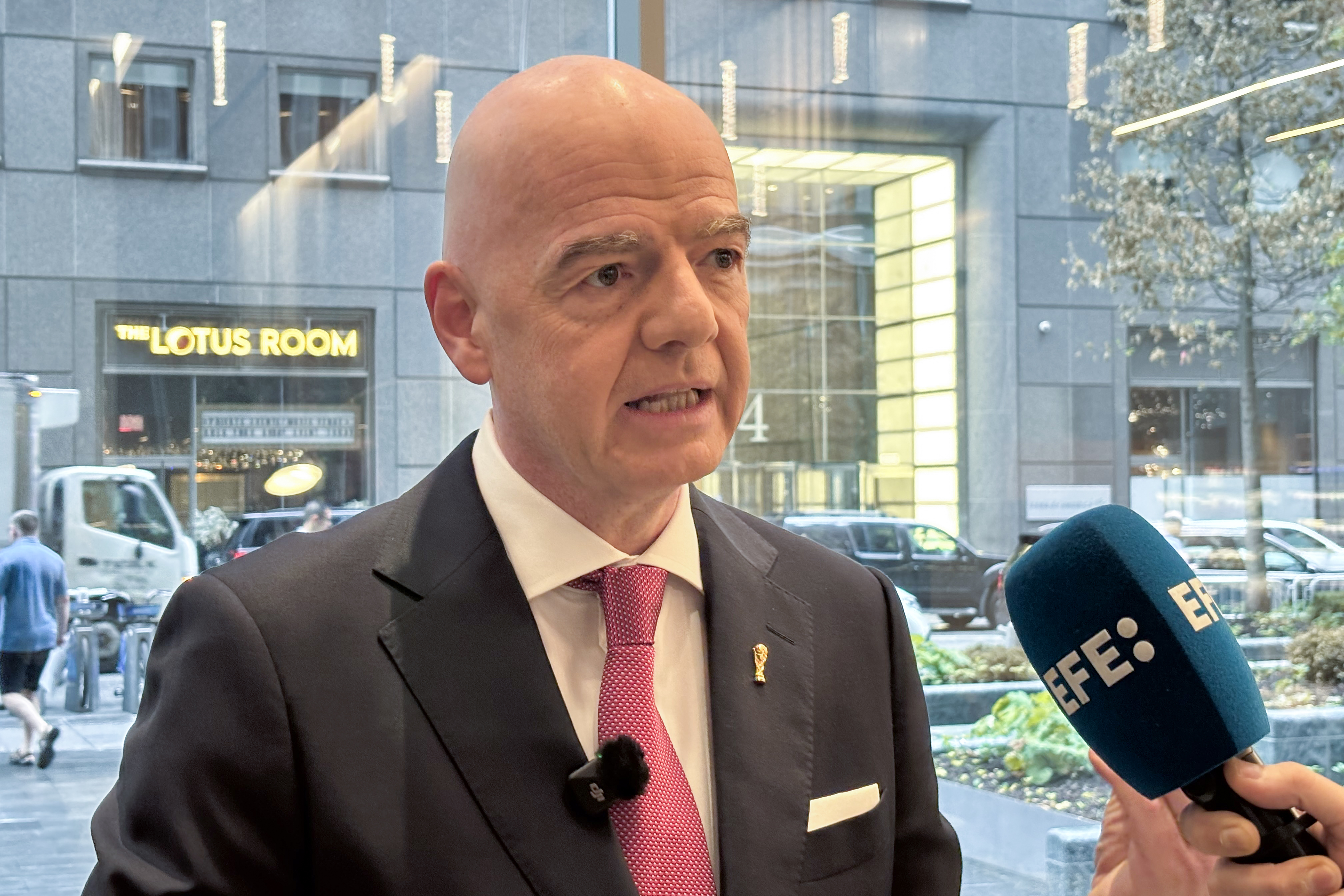
FIFA has proposed a new initiative called 'Forward Enterprise,' which aims to allow private investors access to its major competitions. This proposal has reportedly raised significant concerns among global football stakeholders. The plan, if implemented, could fundamentally alter the financial landscape of international football tournaments. UEFA, along with other continental confederations, is said to be alarmed by the potential implications of this move. The core of the disagreement appears to stem from FIFA's desire to bring in external capital versus the established governance and control structures favored by other football bodies. Details regarding the specific competitions targeted and the extent of private investment remain unclear, but the mere concept has ignited a debate about the future commercialization of the sport. The reaction suggests a deep division on how to balance financial growth with the integrity and traditional management of football's premier events.
FIFA's 'Forward Enterprise' initiative represents a potential paradigm shift in sports governance, moving towards greater private capital integration in major international competitions. This approach could unlock significant new revenue streams, potentially benefiting football development globally. However, it also introduces complexities regarding control, revenue distribution, and the potential for commercial interests to influence sporting decisions. The conflict with UEFA and other confederations highlights a fundamental tension between centralized commercialization strategies and the established regional governance structures. Examining this proposal through the lens of long-term sustainability and stakeholder alignment is crucial. The challenge lies in structuring such partnerships to ensure transparency, equitable benefit sharing, and the preservation of the sport's integrity amidst increasing commercial pressures.
AI-generated to prompt reflection — not editorial opinion, not advice, not a statement of fact. How this works.