FIFA's Private Investment Proposal Sparks Controversy Among Football Stakeholders
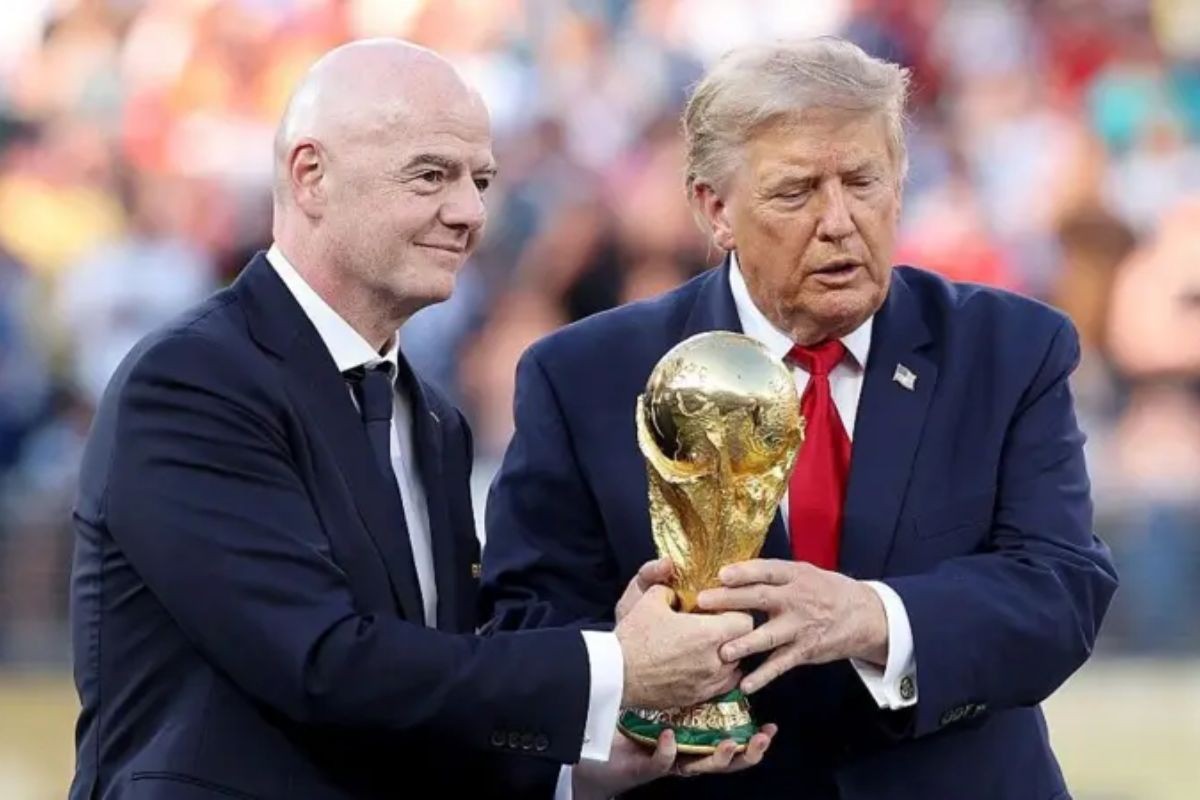
FIFA, the global football governing body, is proposing to attract private investors into its competitions, including the World Cup, through a new subsidiary called FIFA Forward Enterprise (FFE). The plan aims to raise over $10 billion for football development, with external investors taking minority stakes without controlling power. This initiative, if approved by FIFA's 211 member associations, could potentially generate tens of millions of pounds for FIFA President Gianni Infantino. The proposed lead investor group would be Thrive Eternal, a venture capital firm founded by Joshua Kushner, brother-in-law to former U.S. President Donald Trump. FIFA states that all affiliated national associations could receive up to $20 million in a one-time capital injection for development projects, with Infantino emphasizing the goal of sharing football's commercial success globally. However, the proposal has met strong criticism from UEFA, the European football governing body, and British Prime Minister Andy Burnham. UEFA argues that the plan "crosses a line" and threatens the integrity and governance of football, expressing concerns that it could lead to an expansion of FIFA competitions that might jeopardize UEFA's own lucrative tournaments. Burnham stated that such a move would mean FIFA has "sold itself," asserting that football belongs to its fans, not investors. The English Football Association was reportedly unaware of the plans until recently. Football finance expert Kieran Maguire suggests the FFE could increase pressure for a biennial World Cup to satisfy investor profit demands. The proposal is slated for discussion at upcoming FIFA Council meetings and potentially a vote at the FIFA Congress in March.
FIFA's proposal to bring private equity into its commercial operations, framed as a means for global football development, presents a complex interplay of financial incentives and governance concerns. While the stated aim is to distribute wealth generated by football's popularity more broadly, the structure invites scrutiny regarding potential conflicts of interest and the long-term impact on the sport's autonomy. The involvement of entities with close ties to political figures raises questions about transparency and undue influence, irrespective of FIFA's assurances of retaining control. This initiative mirrors debates seen in other sports and entertainment sectors regarding the balance between commercial expansion and the preservation of core sporting values. The potential for increased pressure to expand tournament formats, driven by investor expectations for returns, could further strain an already congested global football calendar, impacting national leagues and player welfare. The differing reactions from UEFA and national federations highlight a fundamental tension between FIFA's centralized commercial strategy and the decentralized nature of football governance, suggesting a future where the commercial imperatives of global sport may increasingly challenge traditional structures.
AI-generated to prompt reflection — not editorial opinion, not advice, not a statement of fact. How this works.