FIFA's Stadium Music Strategy for World Cup: A Cultural Blend
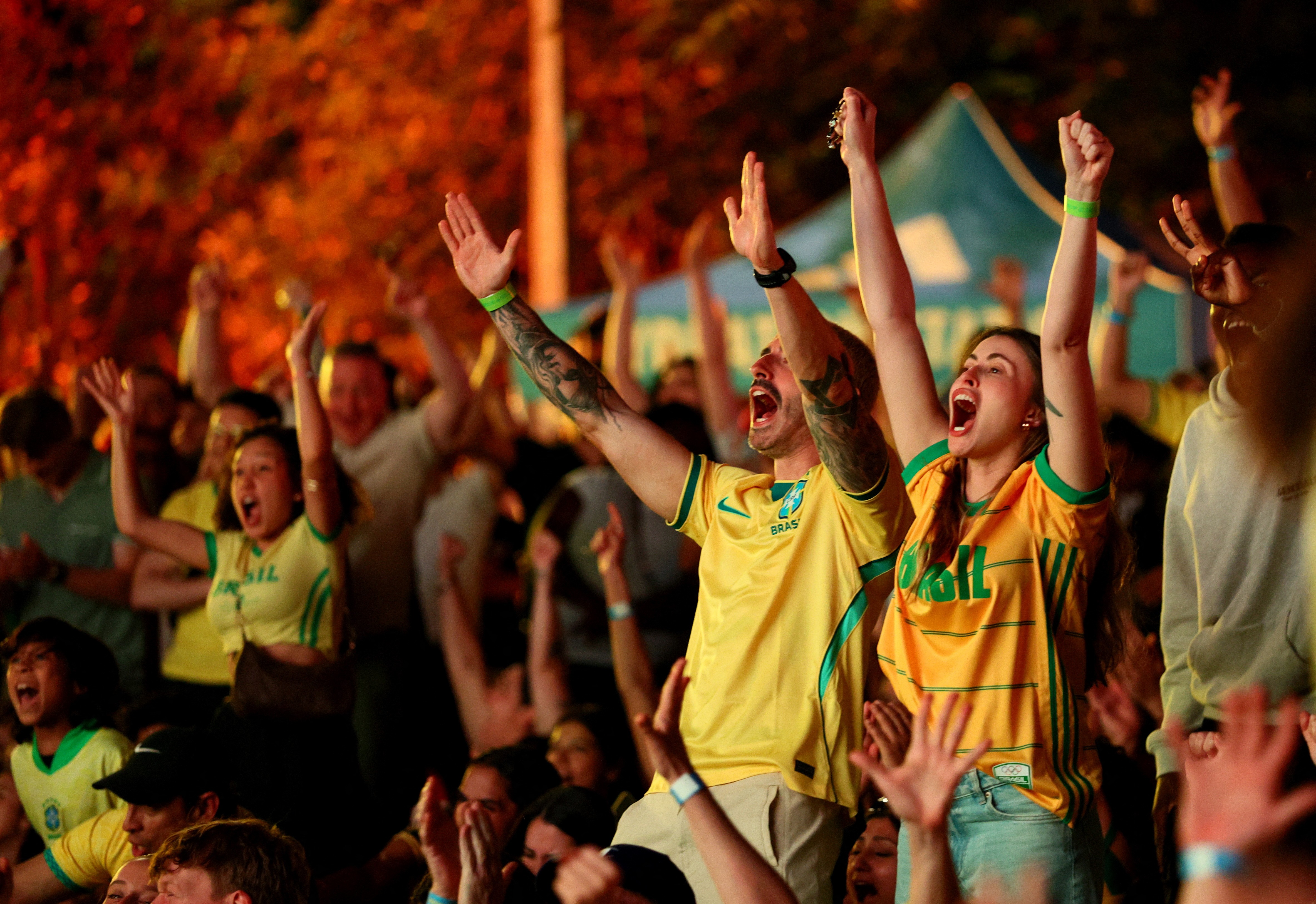
The music played in World Cup stadiums is not chosen randomly, but curated by FIFA's 'Stadium Entertainment Team.' This team selects over 750 songs in advance, working with national federations to create playlists that blend stadium classics with country-specific favorites. Each national team has a signature song for player introductions, a warm-up track, and a goal celebration song. Additionally, a winning team's anthem is played after each match for fans to sing along. For Brazil, the Brazilian Football Confederation (CBF) commissioned a special soundtrack for the competition, titled 'Bate no Peito,' featuring various artists like Ludmilla, João Gomes, and Zeca Pagodinho. The song played after Brazil's initial victories and their win over Scotland was Ivete Sangalo's 'Festa.'
These playlists offer a cultural snapshot of the World Cup, which expanded to 48 teams in 2026. Globally recognized anthems such as The White Stripes' 'Seven Nation Army,' AC/DC's 'Thunderstruck,' and Gala's 'Freed from Desire' appear on multiple national lists. According to author Andrew Lawn, popular stadium songs are catchy, fun, and recognizable, becoming associated with successful moments and lingering in memory due to the emotions tied to them. For example, Argentina uses 'El Matador' by Los Fabulosos Cadillacs for warm-ups and goal celebrations, a song with reggae influences that addresses Latin American dictatorships. Ghana's signature and goal song is 'Kakalika' by DopeNation, intended to embrace diversity. Mexico opted for three tracks by the historic Mariachi Vargas, while South Korea chose K-Pop hits from artists like Blackpink and BTS. France's potential goal song is Daft Punk's 'One More Time,' and Australia's theme is 'Down Under' by Men At Work. Belgium's warm-up anthem is Technotronic's 'Pump Up the Jam.'
Song choices can also evolve based on fan reactions. England's 'Wonderwall' by Oasis became a staple after fans enthusiastically sang along during their 2026 World Cup opener against Croatia, a moment captain Harry Kane described as a highlight of his England career. Similarly, John Denver's 'Take Me Home, Country Roads' became a fan favorite for the United States, offering an alternative to the repetitive 'USA! USA!' chant.
FIFA's curated stadium music strategy for the World Cup reflects a sophisticated approach to fan engagement, blending global appeal with national identity. By selecting specific songs for various match moments—introductions, warm-ups, goals, and post-match celebrations—the organization aims to enhance the emotional resonance of the tournament. This practice leverages music's power to create shared experiences and lasting memories, linking specific songs to successful outcomes and fostering a sense of collective identity among fans. The inclusion of diverse genres and artists, from K-Pop to mariachi and electronic music, highlights an effort to cater to a global audience while respecting local cultural nuances. This strategy can be viewed through the lens of experience economy principles, where the event's value is amplified by carefully orchestrated sensory inputs. Looking ahead, as AI continues to personalize experiences, future World Cups might see even more dynamic, algorithmically driven music selection tailored to real-time crowd sentiment and individual fan preferences, potentially creating even deeper emotional connections or, conversely, facing challenges in maintaining authenticity amidst hyper-personalization.
AI-generated to prompt reflection — not editorial opinion, not advice, not a statement of fact. How this works.