FIFA's World Cup Commercial Plan Faces Global Backlash
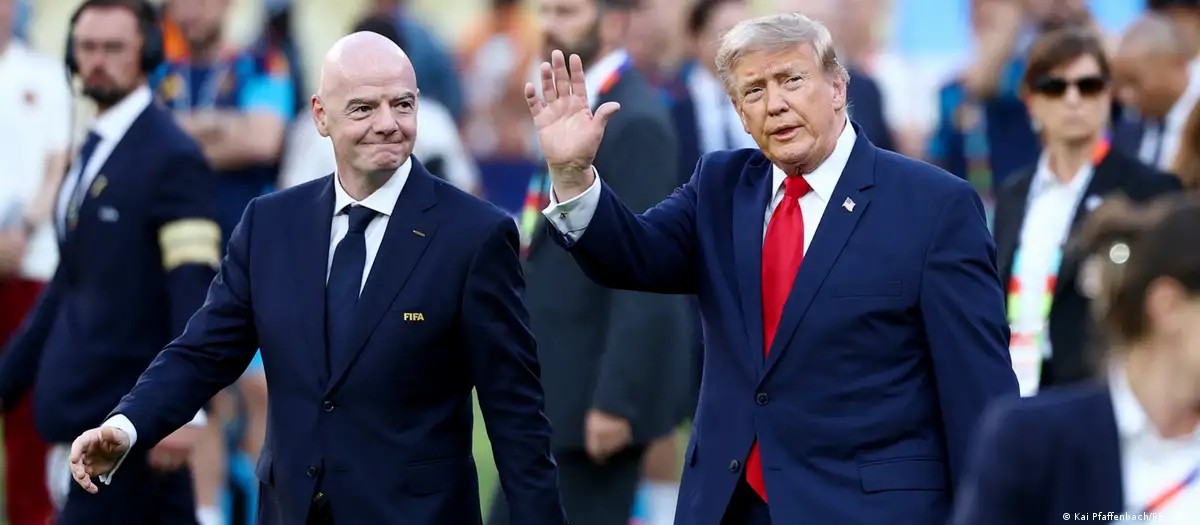
FIFA President Gianni Infantino's proposal to sell a minority stake in World Cup commercial rights to private investors for approximately $20 billion has ignited significant international opposition. The plan, which would establish a new subsidiary called FIFA Forward Enterprise (FFE), aims to attract private capital, with Thrive Eternal, a company linked to the Kushner family, reportedly among potential investors. Critics are raising concerns about potential conflicts of interest, particularly due to Infantino's relationship with former U.S. President Donald Trump, as well as a lack of transparency and risks of corruption.
Sports business experts highlight a fundamental difference between the commercial logic of North American sports, which readily accept private investors, and European football, where clubs and competitions are often viewed as cultural institutions. The proposed deal is seen by some as a potential first step toward the privatization of the World Cup, despite FIFA's stated mission of promoting football development rather than profit maximization. FIFA, which holds substantial reserves, plans to reinvest proceeds into football, offering significant financial incentives to national federations.
However, continental confederations like the Asian Football Confederation (AFC) and CONCACAF have expressed strong concerns and disappointment over the lack of prior consultation. UEFA has declared that "football does not belong to FIFA to be sold." The opposition suggests that FIFA's governance structure needs reform beyond leadership changes. The financial incentives offered to federations could sway opinions, though past resistance to similar proposals has sometimes faded over time. The potential commercialization could also lead FIFA to expand its competitions, potentially challenging existing major tournaments like the UEFA Champions League.
FIFA's proposed sale of a minority stake in World Cup commercial rights reflects a tension between traditional sporting governance and increasing demands for private capital, a dynamic amplified by the rise of AI and data-driven monetization strategies. The structure of the deal, particularly the involvement of entities linked to political figures, raises questions about governance transparency and the potential for conflicts of interest that could undermine public trust. While proponents may argue for enhanced financial resources for football development, critics' concerns about privatization and the erosion of the sport's cultural value warrant careful consideration. The long-term implications for the global football landscape, including the balance of power between FIFA, confederations, and commercial entities, will be shaped by how these governance challenges are addressed in the coming decade.
AI-generated to prompt reflection — not editorial opinion, not advice, not a statement of fact. How this works.