FIFA Scraps Private Investment Plan for World Cup Amid Criticism
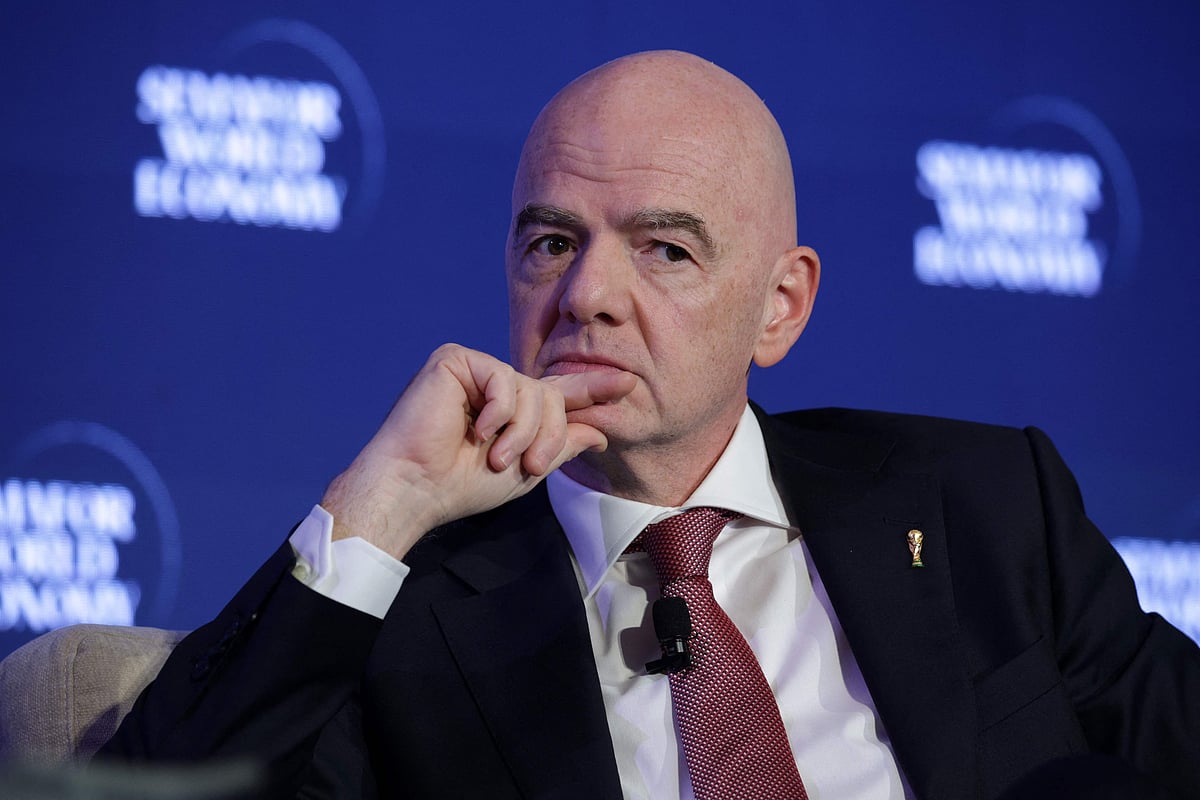
FIFA had planned to introduce private investment for the World Cup. However, the global football governing body has now withdrawn this plan following intense criticism. The organization initially intended to bring in external private capital to enhance the tournament's infrastructure and commercial aspects. This move was aimed at potentially increasing revenue streams and improving the overall fan experience. Despite these intentions, the proposal faced significant backlash from various stakeholders, including football associations, fan groups, and anti-corruption organizations. Critics raised concerns about potential conflicts of interest, the commercialization of the sport, and the impact on the integrity of the World Cup. The strong negative reaction prompted FIFA to reconsider its strategy. The decision to cancel the private investment plan indicates a responsiveness to public and stakeholder concerns, though specific details about the nature of the criticism or alternative plans were not provided. FIFA has stated its commitment to upholding the values of football while exploring avenues for development.
FIFA's reversal on its private investment plan for the World Cup highlights the delicate balance between commercial expansion and maintaining public trust in major sporting events. The intense criticism suggests that stakeholders perceive a potential misalignment between profit motives and the core values of the sport, particularly concerning the governance and integrity of the World Cup. This situation underscores the growing scrutiny on large organizations to demonstrate robust ethical frameworks and transparent decision-making processes. Moving forward, FIFA will need to navigate stakeholder expectations by prioritizing models that ensure equitable benefit distribution and safeguard against undue commercial influence, especially as global attention intensifies on the economic and social impacts of mega-events in the coming decade.
AI-generated to prompt reflection — not editorial opinion, not advice, not a statement of fact. How this works.