FIFA Taps BTS for World Cup Halftime Show: A Strategic Move Beyond Music
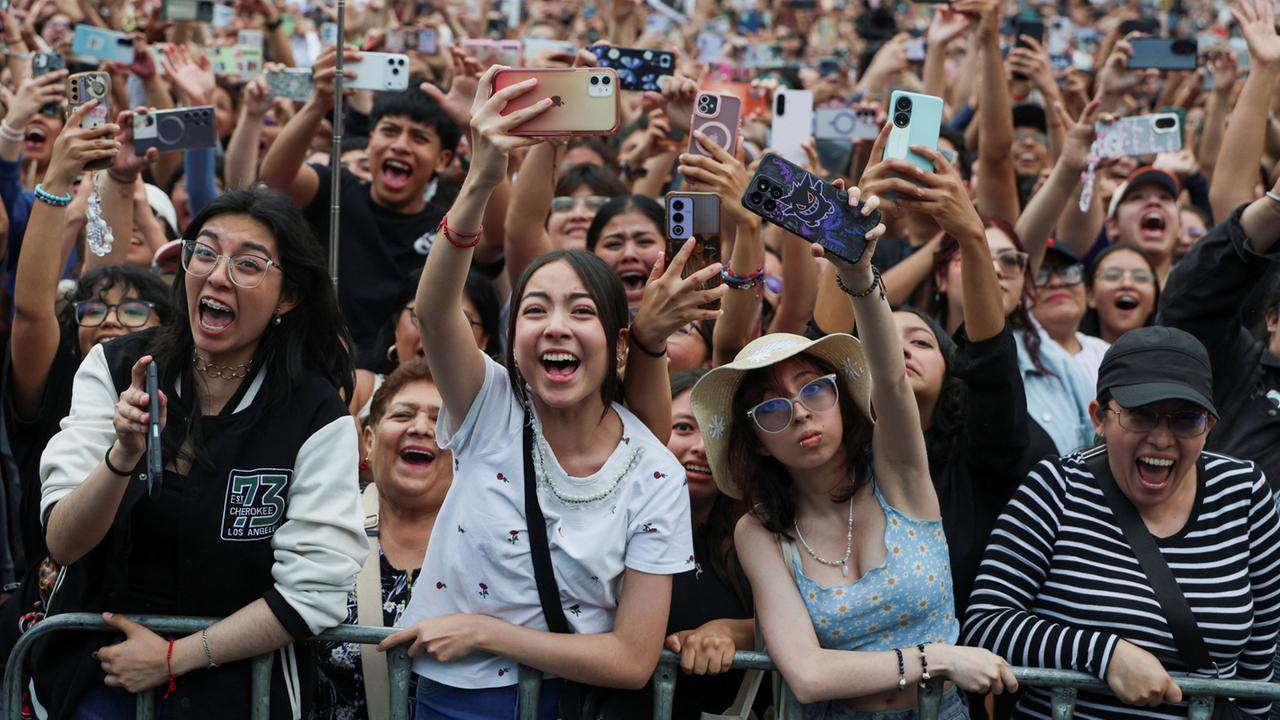
For the first time in its history, the FIFA World Cup final will feature a halftime show. The global football governing body, FIFA, has decided to include the K-pop group BTS as part of this inaugural performance. This decision raises questions about why FIFA is bringing a K-pop band onto the football stage. The reasons behind this choice extend far beyond the realm of music alone, suggesting a strategic consideration by the organization. This move indicates FIFA's intent to broaden the appeal and reach of the World Cup. By incorporating a globally popular music genre like K-pop, FIFA aims to attract a diverse audience. The inclusion of BTS, a band with a massive international following, is likely intended to enhance the event's global visibility and cultural impact. This strategic decision highlights FIFA's efforts to adapt to evolving entertainment trends and connect with younger demographics. The halftime show, featuring BTS, is positioned as a significant element in this broader strategy.
FIFA's decision to feature BTS in the World Cup halftime show signifies a strategic pivot towards leveraging global cultural phenomena to enhance event appeal. This move reflects an understanding of how music and sports fandoms can intersect to create synergistic marketing opportunities. By incorporating K-pop, a genre with a significant youth demographic and international reach, FIFA aims to broaden the tournament's audience beyond traditional football enthusiasts. This strategy may also serve to enhance FIFA's brand image in a rapidly evolving media landscape, where cross-platform engagement is crucial for sustained relevance and revenue generation. The long-term implications could involve further integration of diverse cultural elements into major sporting events, potentially reshaping fan engagement models in the coming decade.
AI-generated to prompt reflection — not editorial opinion, not advice, not a statement of fact. How this works.