FIFA World Cup 2026: 10 Controversial Decisions Highlighted
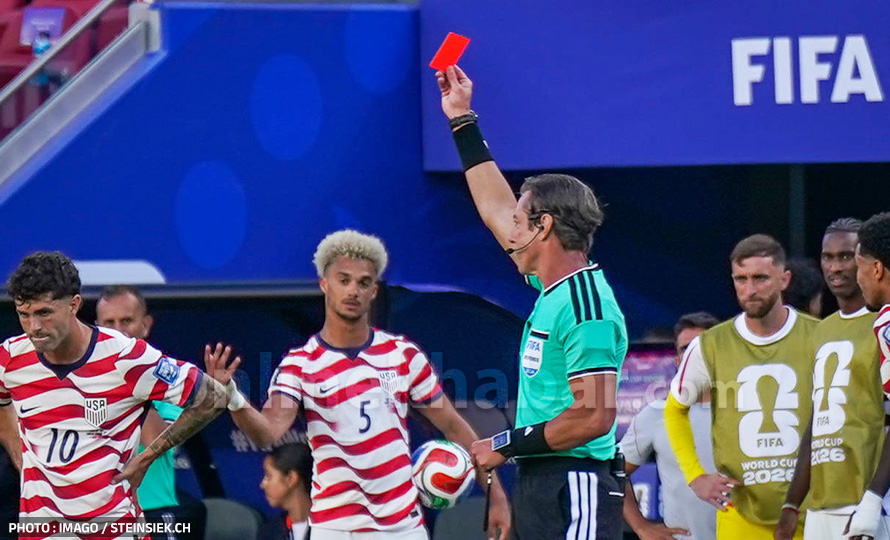
The FIFA World Cup 2026, co-hosted by the United States, Mexico, and Canada, has seen its semi-final stage with defending champions Argentina, France, Spain, and England qualifying. This tournament marks the first time 48 countries are participating, and several new technologies have been implemented. However, some of these technological advancements and officiating decisions have sparked controversy. The article aims to highlight ten such contentious moments that have drawn significant attention and debate among fans and experts alike. These decisions have impacted match outcomes and raised questions about the fairness and consistency of officiating in this expanded global competition. The use of new technologies, while intended to enhance the game, has also become a focal point for criticism. As the tournament progresses towards its conclusion, the legacy of these controversial decisions will likely be a significant topic of discussion.
The FIFA World Cup 2026's expansion to 48 teams and the integration of new technologies present a complex governance challenge. While aiming for inclusivity and enhanced viewer experience, these changes introduce new variables that can lead to officiating inconsistencies and public debate. The tension between tradition and innovation in sports is evident, as technological aids like VAR, despite their intent, can become points of contention. Future iterations of the tournament will need to balance the desire for a wider global reach with the imperative for clear, consistent, and universally accepted rules and their application. This requires ongoing dialogue between FIFA, confederations, players, and fans to refine technological implementation and officiating protocols, ensuring the integrity of the competition remains paramount in the evolving landscape of global football.
AI-generated to prompt reflection — not editorial opinion, not advice, not a statement of fact. How this works.