FIFA World Cup 2026: Lingering Questions on Politics, VAR, and Commercialization
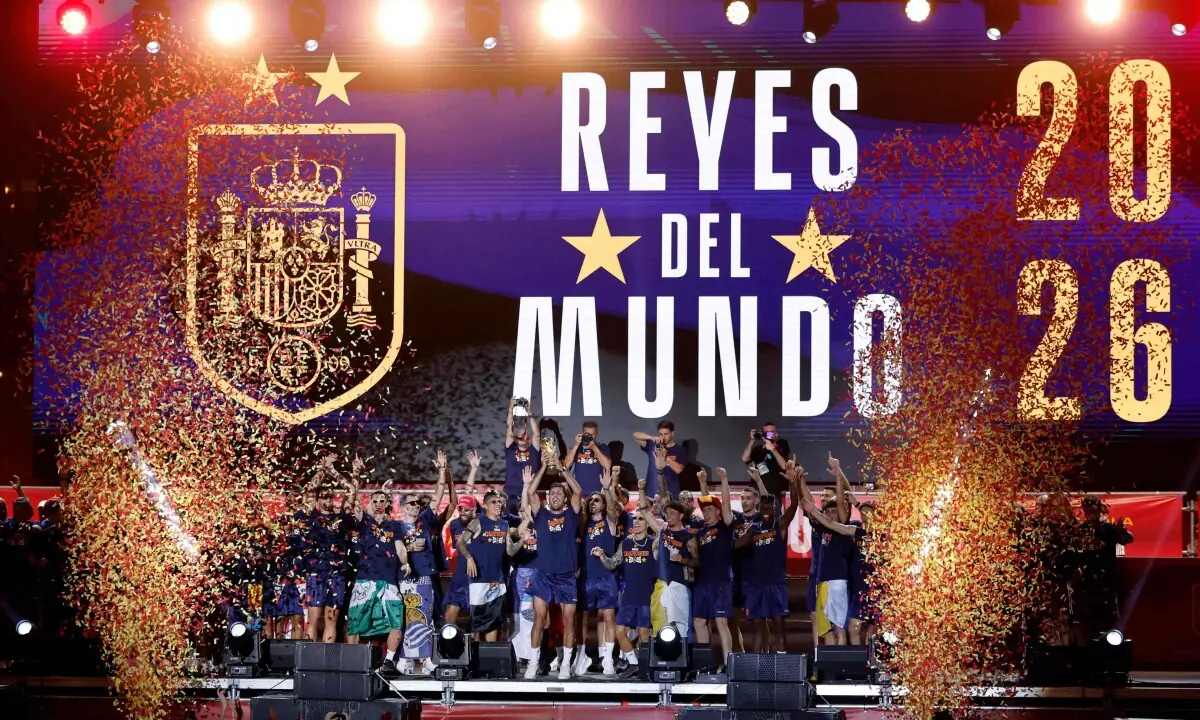
The 2026 FIFA World Cup, hosted by the United States, Canada, and Mexico, concluded with Spain's victory over Argentina, but the tournament left behind significant controversies and unanswered questions. One major concern involved alleged political interference, particularly U.S. President Donald Trump's intervention to overturn a red card suspension for American player Folarin Balogun. This incident, which allowed Balogun to play in a crucial match, drew criticism from European football authorities like UEFA and raised doubts about FIFA's sporting autonomy and the transparency of its disciplinary processes. The tournament also highlighted the increasing entanglement of football with geopolitics, as seen with Iran's participation and visa restrictions affecting fans and players.
The Video Assistant Referee (VAR) system, intended to improve fairness, remained a point of contention, often causing confusion rather than certainty. Debates over disallowed goals and penalty decisions persisted, exacerbated by a lack of transparency in communication between referees and VAR officials. Even when VAR did not intervene, as in the final match where Spain's potential opening goal was disallowed, its presence fueled controversy, prompting questions about its consistency, transparency, and understandability. The escalating cost of tickets, with final match tickets reportedly reaching thousands of dollars, priced many ordinary fans out of the event. This commercialization, symbolized by a Super Bowl-style halftime show, raised concerns that the World Cup is shifting from an accessible event to an elitist spectacle, prompting questions about FIFA's economic model.
The expansion to 48 teams, while increasing inclusivity and providing opportunities for more nations, also faced criticism for potentially diluting the tournament's quality and intensity. The increased number of matches placed greater demands on infrastructure, travel, and player welfare, while also raising environmental concerns. Underlying all these issues is a fundamental lack of trust in FIFA's governance. Despite commercial growth under President Gianni Infantino, scrutiny remains over the organization's alliances and decision-making processes. The legacy of the 2026 World Cup may hinge on whether FIFA addresses these controversies as symptoms of deeper systemic problems or dismisses them as isolated incidents, ultimately determining whether future tournaments foster greater trust.
The 2026 FIFA World Cup, while a commercial success and a showcase for Spain's victory, has illuminated systemic challenges within global football governance. The alleged political interference in player suspensions and the persistent controversies surrounding VAR highlight a tension between the sport's desire for autonomy and the realities of geopolitical influence and technological implementation. The increasing commercialization and ticket prices raise questions about the sport's core accessibility versus its economic sustainability, potentially creating a divide between traditional fan bases and a more affluent audience. Furthermore, the expansion of the tournament, while promoting inclusivity, may be testing the limits of competitive quality and logistical feasibility. FIFA's future trajectory will depend on its ability to balance these competing pressures, fostering greater transparency and trust to ensure the long-term integrity and appeal of the sport in an evolving global landscape.
AI-generated to prompt reflection — not editorial opinion, not advice, not a statement of fact. How this works.