FIFA World Cup Awards Criticized: Rodri Over Messi, Haaland, Mbappé
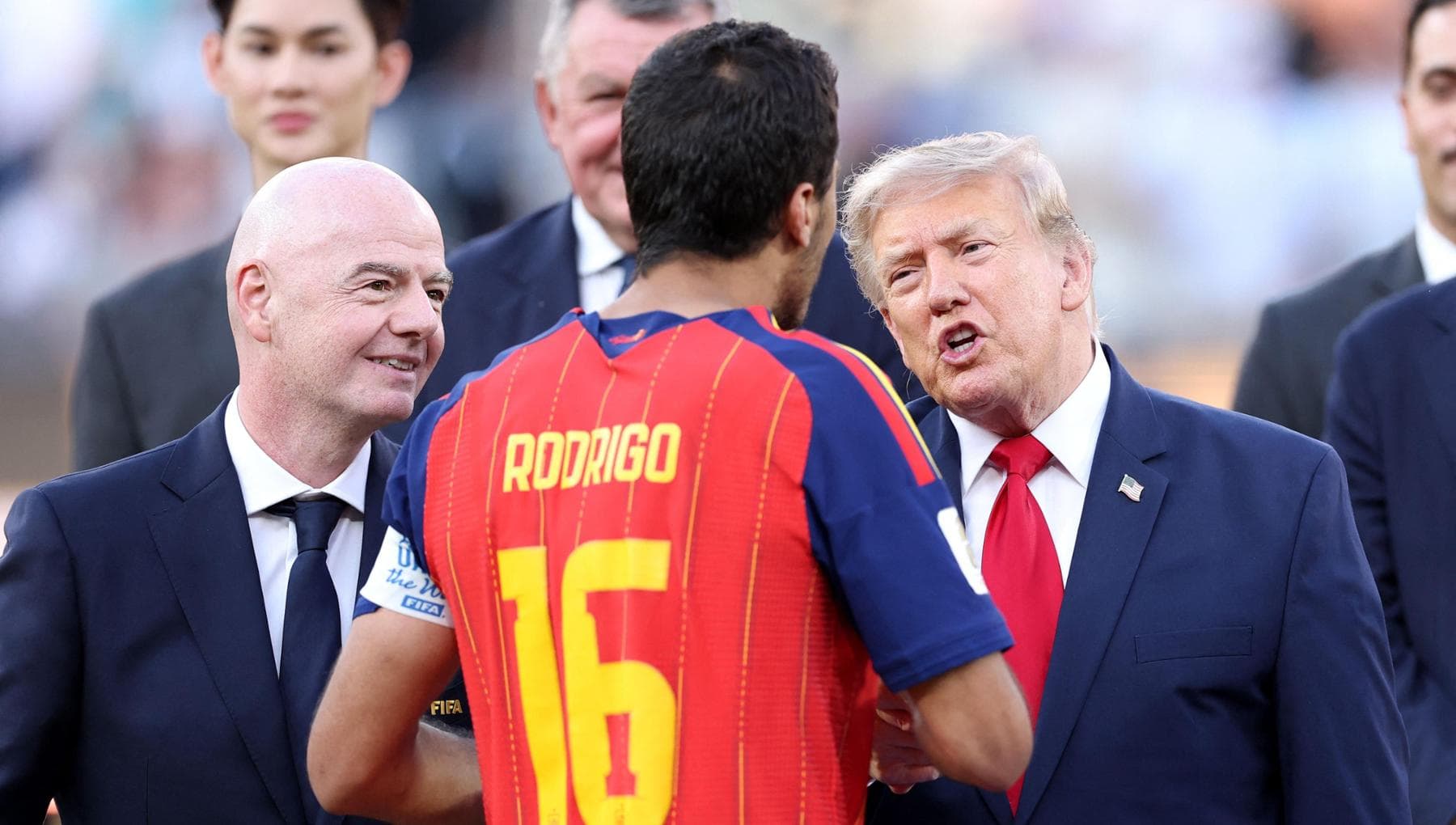
The FIFA World Cup's "ideal XI" selections have drawn criticism, particularly regarding the omission of Lionel Messi from the top player award. Instead, Rodri was named the best player, a decision that has sparked debate among fans and analysts. The tournament's attacking trio was widely considered to be Kylian Mbappé, Erling Haaland, and Lionel Messi, with many believing Messi deserved the individual accolade. The awards committee's choices have raised questions about the criteria used and the overall fairness of the selection process. This controversy highlights a recurring issue with major sporting awards, where subjective interpretations can sometimes overshadow objective performance metrics. The omission of Messi, a player who consistently delivered standout performances, has been a focal point of the discussion. The selection of Rodri, while acknowledging his strong contributions, has been contrasted with the perceived impact and legacy of Messi's play. The debate underscores the challenges in definitively quantifying individual excellence in team sports.
The selection of FIFA's "ideal XI" and individual awards, such as the best player, often navigates complex incentive structures and governance models within sports organizations. When prominent players like Lionel Messi are overlooked for accolades despite significant contributions, it prompts scrutiny of the evaluation methodologies employed. This situation may reflect a divergence between public perception, driven by consistent high-level performance and historical impact, and the specific, perhaps more narrowly defined, criteria used by official committees. Such discrepancies can lead to questions about transparency and the potential for internal biases or strategic considerations influencing outcomes, rather than purely meritocratic assessment. Looking ahead, evolving data analytics and player tracking technologies could offer more objective frameworks for future awards, potentially mitigating subjective interpretations and fostering greater consensus on player recognition.
AI-generated to prompt reflection — not editorial opinion, not advice, not a statement of fact. How this works.