FIFA World Cup Referees Earn Over $100,000 for Tournament Officiating
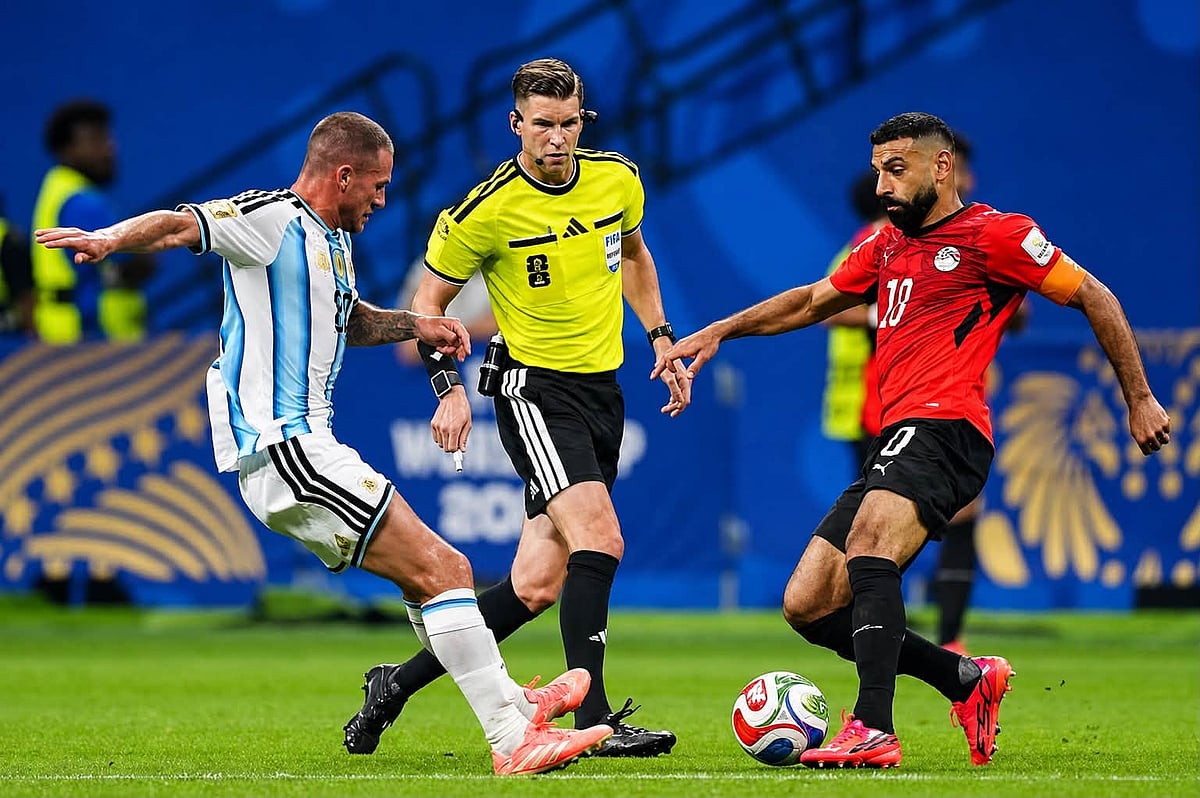
Officiating in the FIFA World Cup is an arduous task, requiring referees to undergo extensive training and rigorous fitness tests for one to two years prior to the tournament. This preparation includes specialized training, fitness evaluations, VAR instruction, and match simulations. The pressure is immense, with referees expected to maintain peak physical condition, often covering distances similar to midfielders during matches. Fitness tests, including sprints and endurance runs, are crucial, and failure can lead to disqualification from international assignments.
Referees' responsibilities extend far beyond simply calling fouls; they manage the game's flow, coordinate with assistant referees, issue disciplinary actions like yellow and red cards, and manage injury time. The head referee holds ultimate authority on the field, making final decisions on plays, including those reviewed by VAR, though these decisions can be subject to later analysis. The financial compensation reflects the demanding nature of the role. Head referees can earn between $50,000 to $70,000 USD as a tournament fee, plus $3,000 to $5,000 USD per match, potentially exceeding $100,000 USD in total earnings. Assistant referees receive tournament fees of $25,000 to $35,000 USD and $2,000 to $3,000 USD per match, with FIFA covering travel and accommodation expenses. A dedicated VAR team supports the on-field officials, analyzing replays from multiple camera angles.
The substantial earnings for FIFA World Cup referees highlight the significant investment in human capital required for high-stakes international sporting events. This financial structure incentivizes elite performance and dedication to the demanding physical and mental standards of the profession. However, it also raises questions about the allocation of resources within global football governance. As technology like VAR becomes more integrated, the role of the referee evolves, demanding a blend of traditional authority and data-driven support. Future considerations may involve how to ensure equitable compensation across all levels of football officiating and how to manage the increasing complexity of decision-making in an era of constant technological advancement and public scrutiny.
AI-generated to prompt reflection — not editorial opinion, not advice, not a statement of fact. How this works.