FIFA World Cup Trophy: The Real Story Behind Who Keeps It
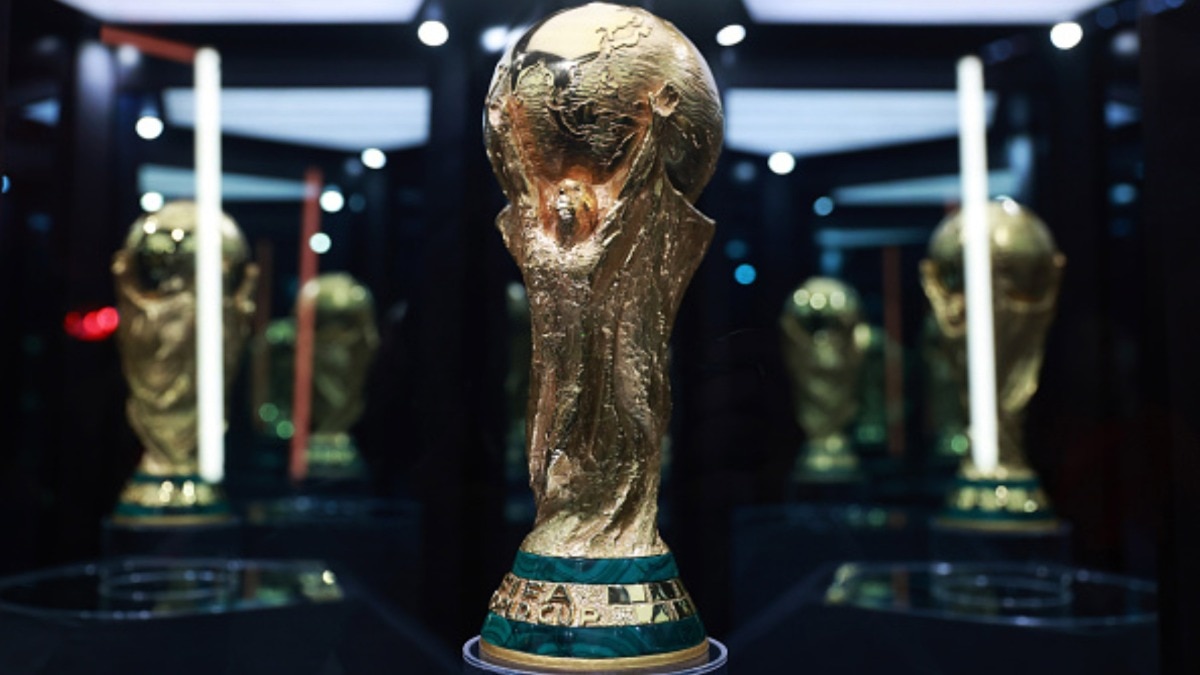
The FIFA World Cup trophy is more than just a prize; it is arguably the biggest symbol in football history. Its journey from the original Jules Rimet Trophy in 1930 to the current FIFA World Cup Trophy is filled with excitement, theft, changes, and glory. Brazil was the first nation to win the trophy permanently, securing the Jules Rimet Trophy after their third victory in 1970. However, the current trophy is not awarded permanently to any winning country. Instead, the winning nation receives a gold-plated bronze replica, known as the FIFA World Cup Winner's Trophy, while the original trophy remains with FIFA. This policy ensures the original trophy's security and preservation for future generations. The history of the trophy includes dramatic events, highlighting its immense value and significance in the world of sports.
The FIFA World Cup trophy's history, including its permanent awarding to Brazil and subsequent policy change, reflects evolving considerations of asset management and symbolic value. The shift from permanent awarding to replica distribution underscores a strategic move by FIFA to retain control over its most iconic asset, likely driven by concerns over the trophy's historical significance, potential for damage or loss, and its role as a continuous revenue-generating symbol for the organization. This approach aligns with broader trends in sports governance where valuable intellectual property and physical assets are increasingly centralized to maximize long-term commercial and symbolic leverage, ensuring the trophy remains a focal point for global attention and revenue streams for decades to come.
AI-generated to prompt reflection — not editorial opinion, not advice, not a statement of fact. How this works.