Fifteen Elephants Found Dead in Kenya; Poisoning Suspected
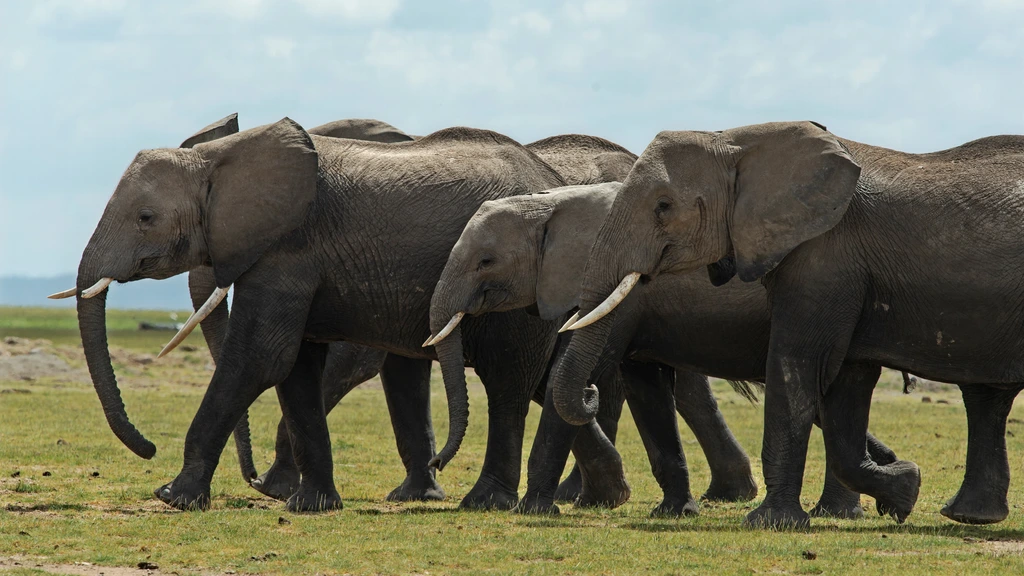
Kenyan wildlife authorities are investigating the deaths of fifteen elephants near Amboseli National Park, with poisoning being a suspected cause. Samples taken from the deceased animals were analyzed at the University of Nairobi, where a "potentially toxic substance" was detected. However, a separate analysis by a government laboratory did not find these specific toxins, prompting further investigation to determine the exact cause of death. Water sources and potential pollutants in the area are also being examined to ascertain if the elephants were exposed to a common contaminant. Officials have stated there is no indication of risk to human safety.
Reports indicate that ten of the elephants exhibited signs of partial paralysis over the past month before dying within a two-day period. An additional five elephants were found deceased, their bodies already partially scavenged. The majority of the deceased elephants were females and calves, with only one male identified among the group. The carcasses were discovered in Kimana Sanctuary and Kuku Ranch, areas surrounding the national park.
This incident occurs as Kenya's elephant population rebounds from past poaching, leading to increased human-wildlife conflict due to shrinking habitats. Elephants are increasingly venturing into human settlements and agricultural areas, damaging crops. The Big Life Foundation estimates approximately 2700 elephants inhabit the southern Kenya region near Amboseli. Conservation efforts, including the use of GPS collars and thermal imaging drones, are improving coexistence by monitoring elephant movements and alerting farmers, allowing for timely interventions to guide elephants back to their territories.
The discovery of fifteen dead elephants near Amboseli National Park, with initial findings pointing towards potential poisoning, highlights the complex challenges of wildlife conservation in human-dominated landscapes. The conflicting laboratory results underscore the difficulties in definitively identifying the cause of death, necessitating further scientific inquiry into environmental factors and potential contaminants. This situation also brings into focus the escalating human-wildlife conflict driven by habitat loss, where increased elephant populations, while a conservation success, strain resources and increase interactions with agricultural communities. Advanced monitoring technologies are being employed to mitigate these conflicts, but the underlying issue of land-use competition remains a critical systemic challenge. Future strategies will likely need to balance population growth with sustainable land management and community engagement to prevent such tragic losses and ensure the long-term viability of elephant populations and the ecosystems they inhabit.
AI-generated to prompt reflection — not editorial opinion, not advice, not a statement of fact. How this works.