Fifteen Indian tourists die in boat capsize near Vietnam's Phu Quoc island
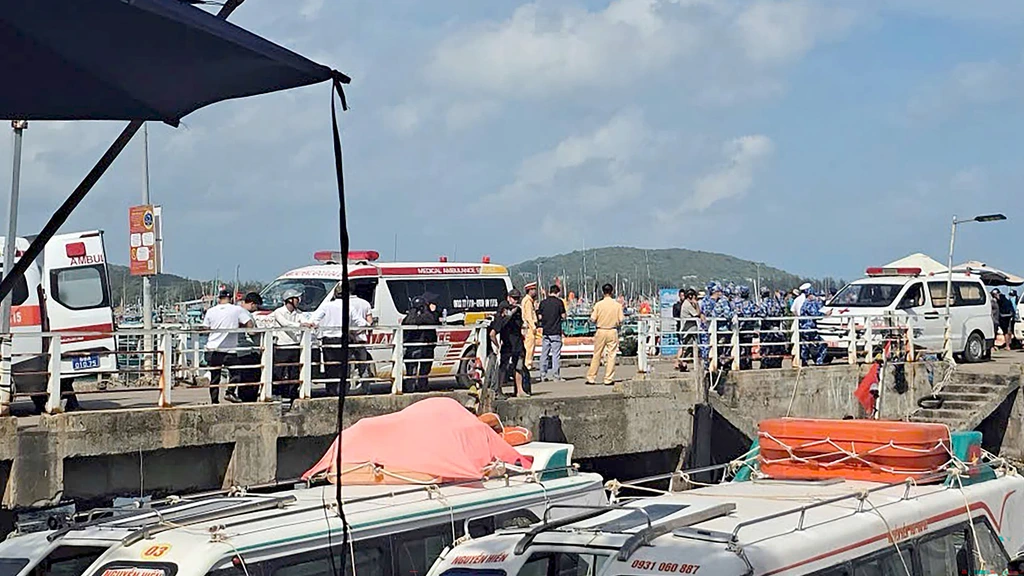
A speed boat carrying 32 Indian tourists and four crew members capsized approximately 400 meters off the coast of May Rut island, about ten kilometers south of Phu Quoc, Vietnam's largest island and a popular beach destination. Fifteen Indian tourists lost their lives in the incident, according to Vietnamese media. The cause of the accident is under investigation, but strong winds are cited as a contributing factor. Of the 36 people on board, 21 were rescued and brought to shore via jet skis and other nearby boats. These civilian boats arrived before official coast guard or naval units. Rescuers reportedly faced difficulties due to passengers trapped inside the overturned vessel and rough seas caused by the strong winds. Life buoys were thrown to individuals in the water from the rescue boats. The bodies of the deceased have been recovered. Some rescued passengers sustained injuries and were transported to a local hospital, though their current condition is unknown. Indian Prime Minister Modi stated that the tourists were employees of a telecommunications company and that the boat trip was part of a company outing.
This tragic incident highlights the inherent risks associated with maritime tourism, particularly in areas prone to adverse weather conditions. The rapid response from nearby civilian vessels, predating official rescue services, underscores the importance of community-based safety nets and the potential for faster on-site aid when immediate neighbors are equipped and willing to assist. The investigation into the cause, focusing on strong winds, points to the critical need for robust weather monitoring and adherence to safety protocols in marine operations. Future considerations should include enhanced regulatory oversight of tour operators, mandatory safety equipment standards, and comprehensive emergency preparedness plans that account for the challenges posed by rough seas and potential entrapment scenarios. This event serves as a somber reminder of the vulnerabilities within the tourism sector and the continuous need for systemic improvements in safety management to prevent future loss of life.
AI-generated to prompt reflection — not editorial opinion, not advice, not a statement of fact. How this works.