Fifteen Years Since Utoya: The Massacre That Foresaw Europe's New Era of Racist Hate
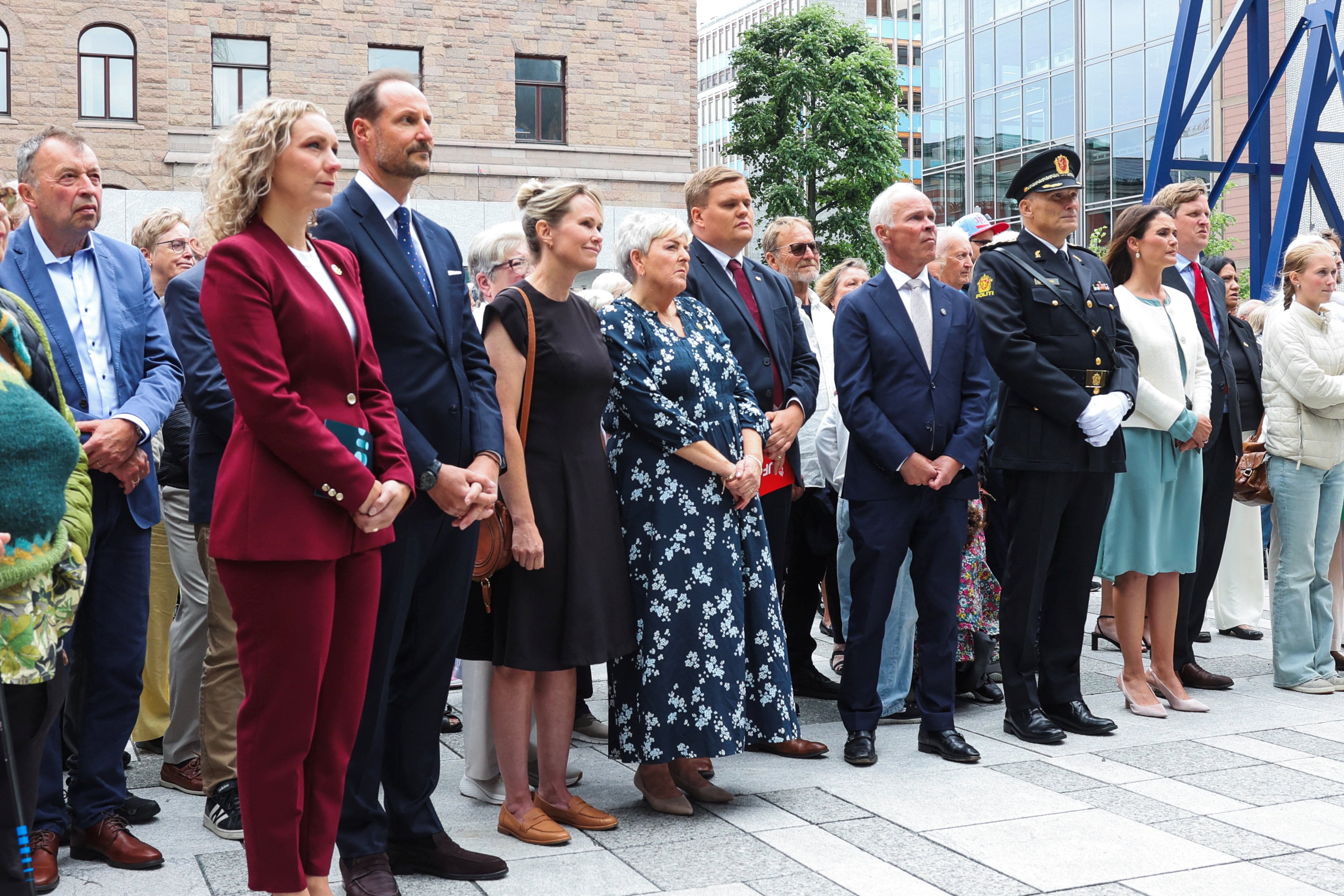
Fifteen years have passed since the Utoya massacre, an event that profoundly impacted Norway and is seen by many as a harbinger of a new era of racist hatred in Europe. Astrid Hoem, a survivor who hid in a cave during the attack, stated that for many, the fight against extremism became a matter of survival. The massacre, which shocked Norway, highlighted the growing threat of far-right extremism and its potential to incite violence. This event served as a stark warning about the evolving nature of hate ideologies and their capacity to manifest in horrific acts. The legacy of Utoya continues to resonate, emphasizing the ongoing struggle against extremist movements across the continent. The incident underscored the need for vigilance and robust counter-extremism strategies to prevent future tragedies. Survivors and activists continue to advocate for stronger measures to combat racism and xenophobia. The memory of the victims serves as a constant reminder of the stakes involved in confronting hate. The event's impact has spurred ongoing discussions about security, radicalization, and societal resilience in the face of such violence. The Utoya massacre remains a critical reference point in understanding the trajectory of extremist threats in Europe.
The Utoya massacre, occurring fifteen years ago, serves as a critical case study in the evolution of far-right extremism and its capacity for organized violence. The event's commemoration highlights the enduring challenge of combating hate ideologies that have increasingly found platforms in the digital age. Understanding the systemic factors that enable radicalization, such as social fragmentation and the spread of disinformation, is crucial for developing effective preventative strategies. The long-term implications involve not only security measures but also fostering societal resilience and promoting inclusive narratives to counter divisive rhetoric. The event prompts reflection on how European societies have adapted, or failed to adapt, to the persistent threat of politically motivated violence rooted in racist and xenophobic beliefs.
AI-generated to prompt reflection — not editorial opinion, not advice, not a statement of fact. How this works.