Fifteenth Amendment: What is the Real Message of This Verdict?
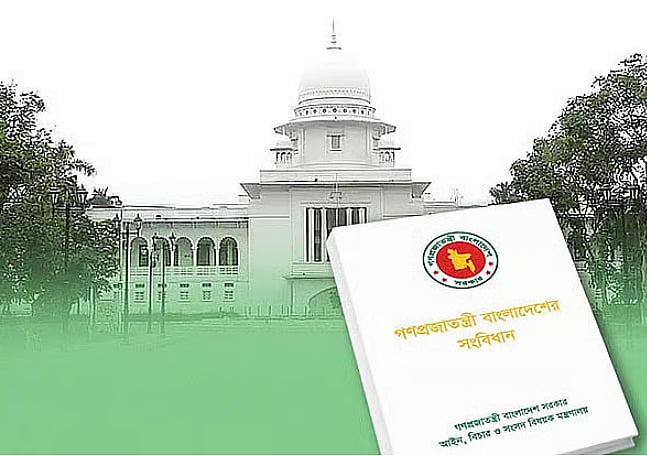
The highest power in the state does not reside with any single institution; rather, the ultimate authority lies with the constitution, and the source of the constitution's legitimacy is the people. This principle underscores the foundational concept of popular sovereignty, asserting that governmental power is derived from and accountable to the citizenry. The constitution, therefore, serves as the supreme law, embodying the collective will and rights of the people. Any institution within the state, regardless of its prominence or function, must operate within the framework established by the constitution. This verdict emphasizes that no entity, including the judiciary, legislature, or executive, can claim absolute power above the constitutional mandate. The people, through their consent and participation, are the ultimate arbiters of constitutional validity and governmental legitimacy. This ruling reinforces the idea that constitutionalism is paramount for ensuring democratic governance and protecting citizens' rights from potential overreach by state apparatuses.
This ruling articulates a core tenet of constitutional democracy: popular sovereignty. It emphasizes that governmental authority is not absolute but derived from the people and codified in the constitution. This perspective challenges any claim of ultimate power by state institutions, reinforcing the constitution as the supreme legal framework. The analysis suggests a focus on the balance of power and the accountability of institutions to the citizenry. In the long term, this principle is crucial for navigating the evolving relationship between state power and individual rights in an era of rapid technological and societal change, ensuring that governance remains anchored in democratic legitimacy rather than institutional fiat.
AI-generated to prompt reflection — not editorial opinion, not advice, not a statement of fact. How this works.