Fifth-grade student's body found floating in Dakatia River in Chandpur
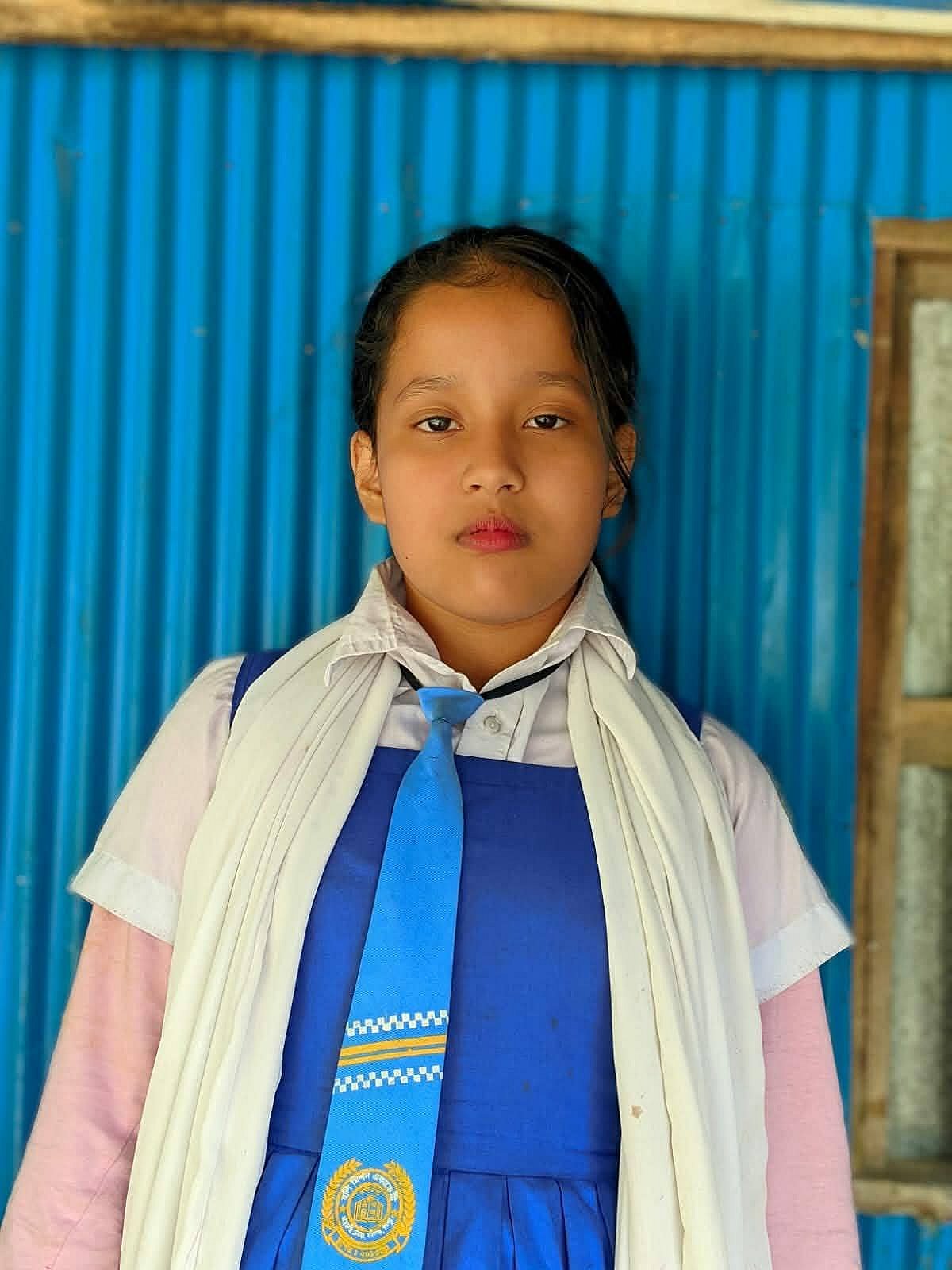
The body of a fifth-grade student, Ayesha Jahan Namira, aged 10, was recovered from the Dakatia River in Chandpur, Bangladesh. Namira was a student at West Sekdi Model Government Primary School. The incident occurred on Tuesday morning around 10 AM in the West Sekdi area of Chandpur Sadar Upazila. Her body was found floating in the river near Afzal Khan's brick kiln. Namira was the eldest daughter of Jasim Uddin, who works in Saudi Arabia, and hailed from Sashiyaali village in Faridganj Upazila. Local residents discovered Namira's body floating in the river and brought her to Chandpur Government General Hospital. The doctor on duty in the emergency department, Pankaj Kumar Saha, pronounced her dead, concluding she had drowned. Namira's maternal grandmother, Suraiya Begum, shared that her daughter Sabina Akter had Namira after 12 years of marriage. Namira had left home for school on the morning of the incident, and the family is devastated by her untimely death. Suraiya Begum also mentioned that Namira's father is scheduled to return from Saudi Arabia on Thursday, after which her body will be buried. The Officer-in-Charge of Chandpur Sadar Model Police Station, Foyez Ahmed, stated that the family had no complaints, and the body was handed over to them after legal procedures, without an autopsy.
This tragic event highlights the vulnerability of children and the importance of water safety measures in communities. While the immediate cause of death is attributed to drowning and the family has accepted the outcome without complaint, the broader systemic implications warrant consideration. Factors such as the proximity of schools to waterways, the availability of supervision for children traveling to and from school, and the general state of public safety infrastructure around rivers are crucial. In an era increasingly focused on child welfare and preventative public health, understanding the environmental and societal factors that contribute to such incidents can inform policies aimed at mitigating future risks. The narrative also touches upon cultural practices regarding burial rites, influenced by family circumstances such as the father's international employment, underscoring the intersection of personal tragedy with globalized labor dynamics.
AI-generated to prompt reflection — not editorial opinion, not advice, not a statement of fact. How this works.