Fifth Spent Nuclear Fuel Cask Transported to Ahaus Storage Facility
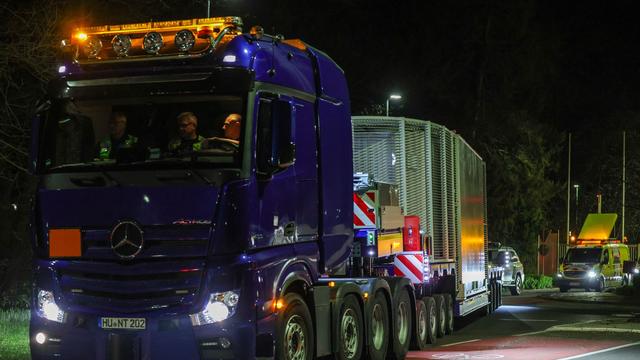
The fifth Castor cask containing spent nuclear fuel has been transported to the interim storage facility in Ahaus, Germany. This marks another step in the ongoing process of relocating radioactive waste from nuclear power plant sites. The transport operation was conducted under strict safety and security measures, as is standard for such movements of nuclear material. The Ahaus facility serves as a central point for storing spent fuel rods from various German nuclear power plants that have been decommissioned or are in the process of being shut down. This relocation is part of Germany's long-term strategy for managing nuclear waste following the country's decision to phase out nuclear energy. The process involves careful planning and execution to ensure the safe containment and storage of highly radioactive materials. Further transports are expected as more nuclear power plants reach the end of their operational lives and their spent fuel needs to be moved to designated storage sites. The federal government oversees these operations, ensuring compliance with national and international safety regulations.
The ongoing transport of spent nuclear fuel casks to interim storage facilities like Ahaus reflects a critical phase in Germany's nuclear phase-out. While these operations prioritize safety and regulatory compliance, they highlight the persistent challenge of long-term nuclear waste management. The logistical complexity and public scrutiny associated with these transports underscore the need for robust, transparent governance. As Germany navigates its energy transition, the decisions made regarding waste storage and eventual disposal will have implications for future generations, necessitating continuous evaluation of technological advancements and societal acceptance for safe, sustainable solutions beyond the current interim measures.
AI-generated to prompt reflection — not editorial opinion, not advice, not a statement of fact. How this works.