Filipino Housekeepers Meet Rising Demand in Japan's Domestic Service Sector
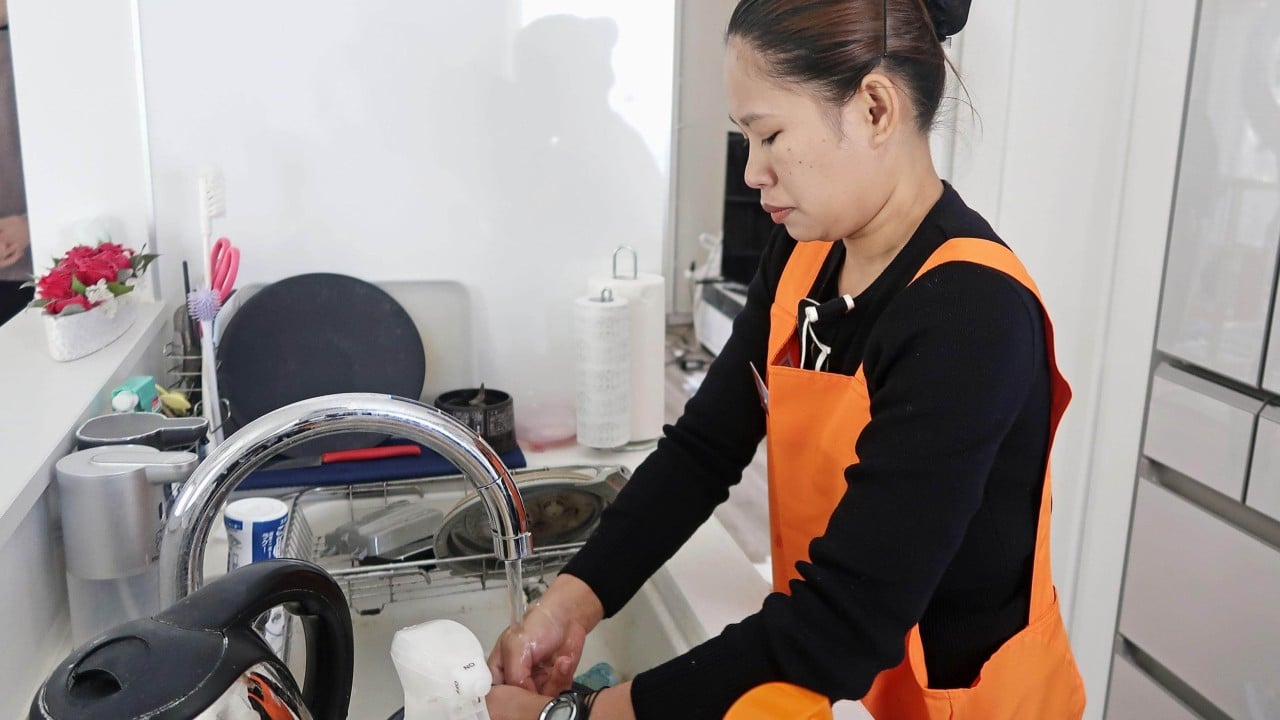
Housekeeping services staffed by Filipino workers are experiencing a surge in popularity in Japan, driven by increasing demand for domestic assistance. One company specializing in these services has seen its workforce approximately double over the last ten years. The Japanese government's initiative to permit foreign nationals to offer housekeeping services within designated national strategic special zones, which began in 2016, has significantly contributed to this trend. Filipino workers have emerged as a preferred choice due to their perceived cheerful dispositions, strong work ethic, and established expertise in household management. This growing sector highlights a response to demographic shifts and evolving domestic needs within Japan.
The increasing reliance on foreign domestic workers, particularly from the Philippines, in Japan's housekeeping sector reflects a broader societal response to demographic challenges, including an aging population and declining birth rates. This trend presents a complex interplay between labor market needs and immigration policy. While Filipino workers fill a critical service gap, their integration raises questions about labor standards, long-term workforce planning, and the potential for creating sustainable domestic support systems. Future policy considerations may need to balance immediate labor demands with strategies for fostering a more self-sufficient and equitable domestic service economy.
AI-generated to prompt reflection — not editorial opinion, not advice, not a statement of fact. How this works.