Film and History: A Spanish Bullfighting Documentary, Italian Microhistory Pioneer, and French Cinema Publications
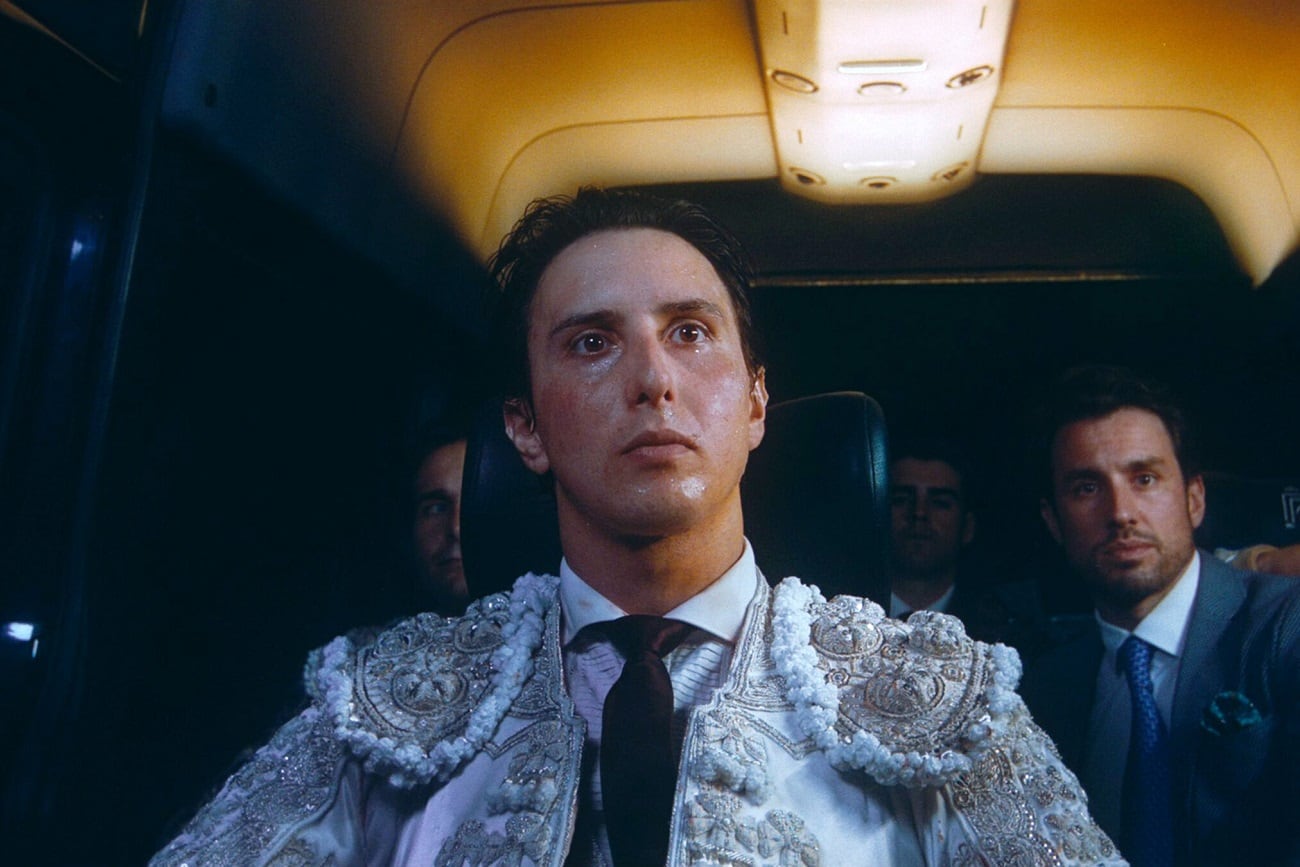
Albert Serra's Spanish film "Tardes de soledad" is a documentary featuring approximately 30 bullfights led by Peruvian bullfighter Arturo Roca Rey across Spain. The film captures these events with stark realism, focusing on the brutality and spectacle of tauromaquia. Despite its challenging content, which some critics found favorable and others adverse to bullfighting, the film has been praised for its artistic merit, with Cahier du Cinéma naming it the best film of the previous year. The reviewer notes moments of cinematic brilliance, such as the matador's rituals and the somber transport of the bullfighter and his team, while acknowledging the film's controversial and provocative nature.
In the realm of history, Italian scholar Carlo Ginzburg, who passed away recently at 87, is remembered for his pioneering work in "microhistory." His seminal book, "The Cheese and the Worms," published when he was 37, chronicled the life of an Italian miller whose unconventional ideas led to an Inquisition trial. Ginzburg, a left-leaning intellectual and son of prominent figures, focused on the lives of ordinary people rather than historical elites, drawing from diverse fields like anthropology and philosophy. He taught for 18 years in California and was lauded by historian Roger Chartier as a fierce opponent of postmodern skepticism.
Meanwhile, Editorial Bastante is making a significant contribution to film literature with its rigorous and ambitious series of publications. The collection includes works on influential filmmakers such as Stan Brackhage, Raúl Ruiz, Chantal Ackerman, Joris Ivens, and most recently, Georges Franju. These books delve into the experimental and boundary-pushing aspects of their careers, avoiding pop culture figures. The recent publication on Franju, a precursor to the French New Wave known for blending realism with the uncanny, was presented alongside a screening of his 1960 film "Eyes Without a Face." This biographical dictionary offers a comprehensive understanding of Franju's life, work, and impact on 20th-century French cinema.
The juxtaposition of these three narratives highlights distinct approaches to understanding and representing reality. Albert Serra's film confronts the visceral and often brutal spectacle of bullfighting, challenging viewers with its unvarnished depiction and prompting reflection on societal engagement with violence and tradition. Carlo Ginzburg's microhistorical method, conversely, sought to illuminate broader societal structures and intellectual currents through the lens of individual, often marginalized, lives, emphasizing the power of detailed historical inquiry against grand narratives. Editorial Bastante's commitment to publishing in-depth studies of experimental filmmakers underscores a dedication to preserving and analyzing cinematic artistry that prioritizes innovation and artistic expression over commercial appeal. Together, these examples suggest a contemporary landscape where diverse forms of media and scholarship are grappling with representation, historical interpretation, and the enduring power of individual creative and intellectual pursuits in shaping our understanding of the world.
AI-generated to prompt reflection — not editorial opinion, not advice, not a statement of fact. How this works.