Film on Poet Mario Quintana and Photographer Liane Neves Shoots in Porto Alegre
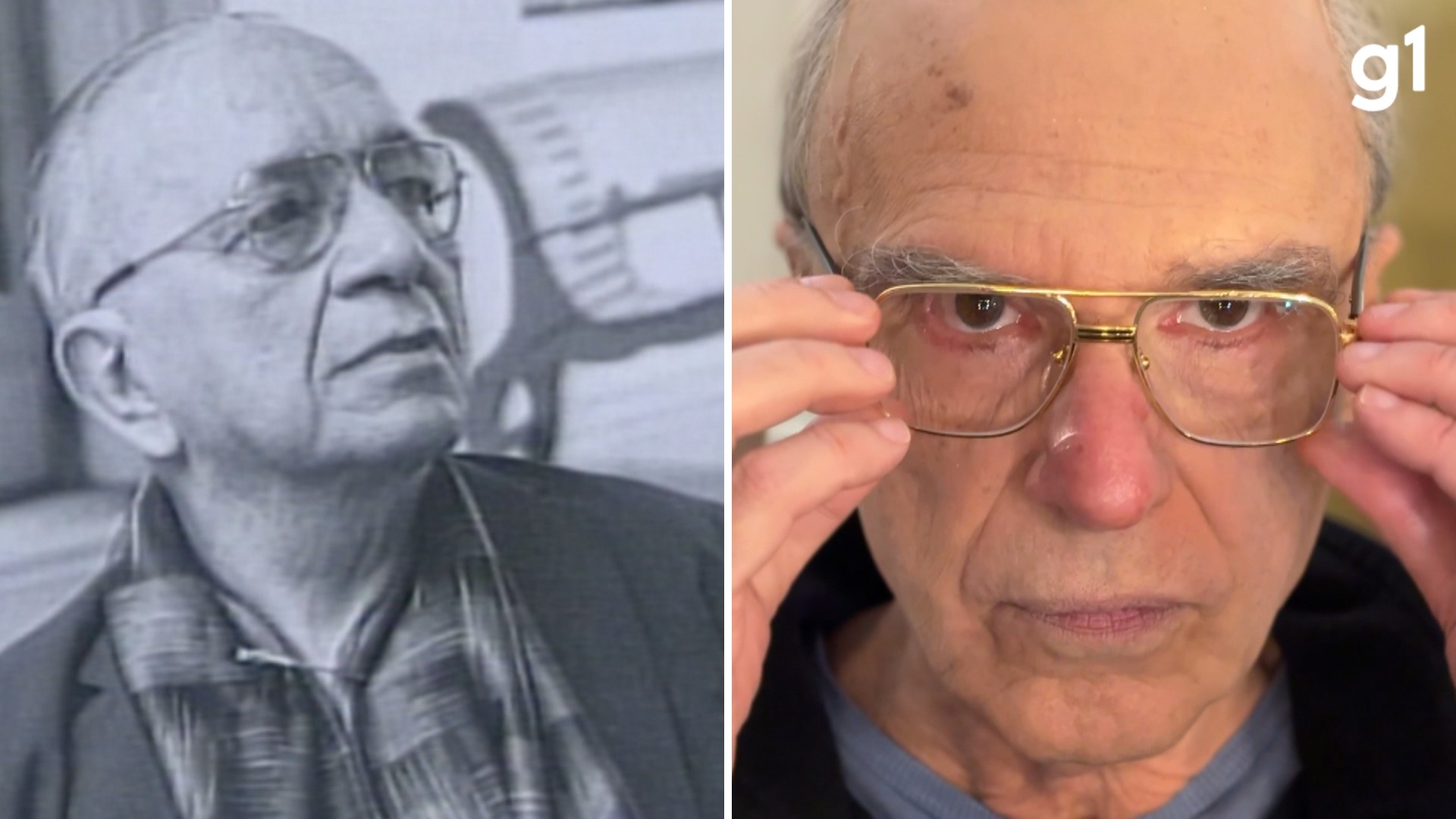
A new film, "Minha Sombra Luminosa," is currently in production in Porto Alegre, commemorating the 120th anniversary of the renowned Brazilian poet Mario Quintana. The movie is inspired by a real-life encounter between Quintana, then 79, and photographer Liane Neves, who was 24 when tasked with capturing images of the celebrated writer. The narrative explores the distinct life stages of both individuals: Quintana, an established literary figure, and Neves, a young professional navigating a male-dominated field in the 1980s. Their relationship is depicted as complex, evolving from initial challenges to a closer bond, and facing further obstacles over time.
Director Tomás Fleck highlighted the film's focus on Liane's struggles and triumphs as she seized the opportunity to photograph a cultural icon. The production involved 22 days of filming in Porto Alegre, with over 500 participants and extensive research into 1980s fashion and accessories, requiring approximately 40 days to source period-accurate items. Actress Klara Castanho portrays Liane Neves, emphasizing Quintana's enduring presence in Porto Alegre and the continued impact of his work across generations, even 32 years after his passing. Fernando Eiras embodies Mario Quintana, noted for his charisma that bridges the gap between erudite and popular culture. The final scenes were shot at Farol Santander, recreating a photography exhibition by Liane Neves, with Neves herself appearing as an extra. Julia Lemmertz also stars as Francisca, a fictional art gallery owner. Fleck believes Quintana's appeal transcends time, with his work remaining relevant and captivating diverse audiences through various artistic adaptations and cultural references.
This film production highlights the enduring cultural significance of Mario Quintana and the challenges faced by emerging female artists in historical contexts. The narrative structure, focusing on the evolving relationship between a seasoned poet and a young photographer, offers a lens through which to examine intergenerational dynamics and the pursuit of artistic recognition. The meticulous recreation of the 1980s setting underscores the importance of historical accuracy in biographical storytelling. From a systems perspective, the film implicitly contrasts established cultural hierarchies with the disruptive potential of new talent and evolving media landscapes. The enduring popularity of Quintana's work, even decades after his death, suggests a resonance with fundamental human experiences that transcends specific eras, offering a valuable case study in the longevity of artistic influence within a rapidly changing society.
AI-generated to prompt reflection — not editorial opinion, not advice, not a statement of fact. How this works.