Film 'Untamed Force' to Uncover Maestro Carlos Gomes' Erased Origins in Campinas
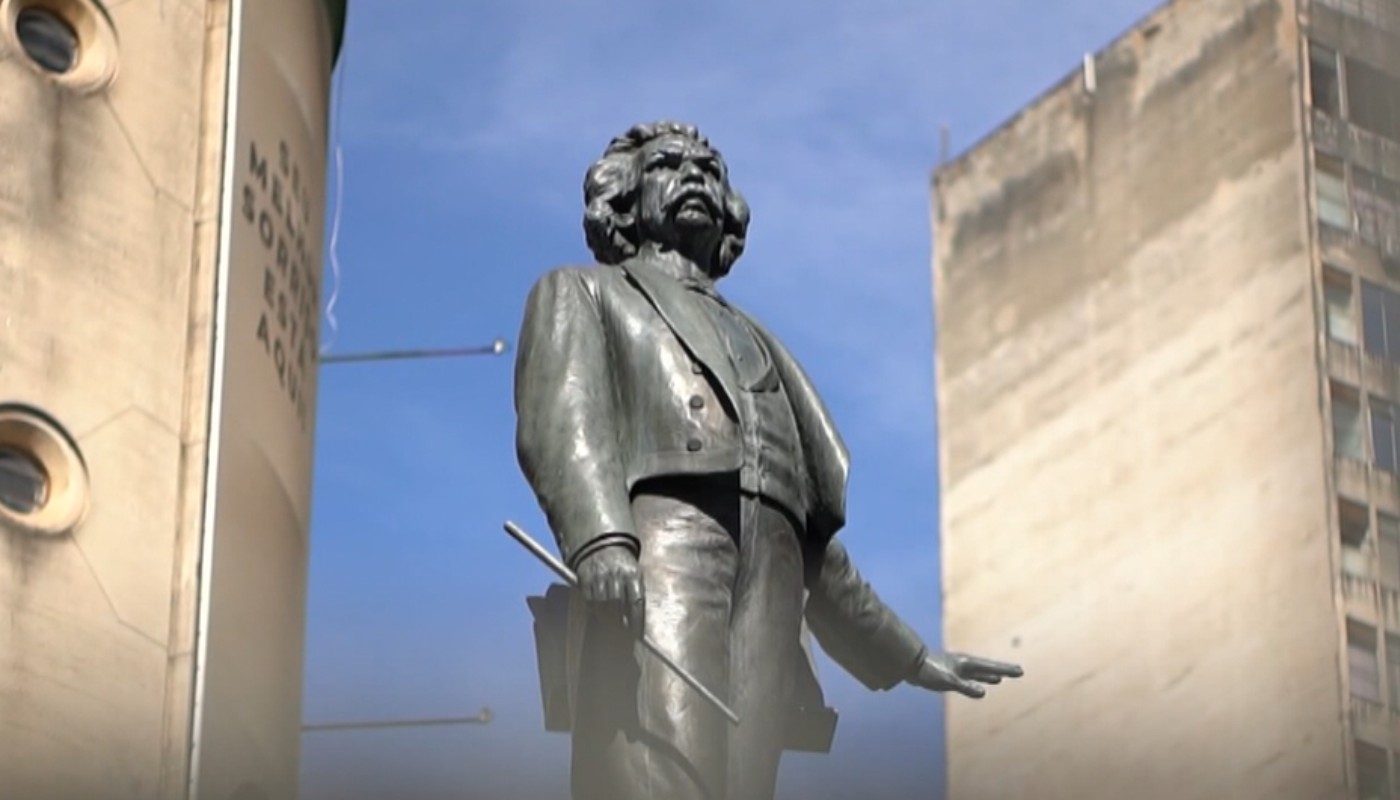
The upcoming film 'Força Indomável' (Untamed Force) aims to shed light on the obscured origins of renowned Brazilian composer Antônio Carlos Gomes, a significant cultural figure from Campinas, São Paulo. Directed by filmmaker and researcher Ariane Porto, the movie will explore Gomes' background as the son of a Black father and an Indigenous mother, born in 1836. During that era, Brazil, and specifically Campinas, experienced intense social upheaval following the abolition of slavery, leading to the deliberate omission of information about Gomes' parentage for many years. The film seeks to reframe Gomes' narrative, highlighting the prejudice he faced and his attempts to assimilate into a society fraught with taboos. Director Porto stated that Gomes altered his appearance, such as straightening his hair and mustache, to gain acceptance in a society that marginalized people like him. The film, currently in production with no release date set, also intends to connect Gomes' personal story with the history of Campinas, which recently celebrated its 252nd anniversary. Porto emphasized the film's goal to redefine the legacy of this 'first national hero.' The production features musical consultation from Grammy-winning pianist Sônia Rubinsky and stars young tenor Jean William as Gomes. Rubinsky views Campinas as an artistic powerhouse, stressing the importance of recognizing local artistic heritage. Carlos Gomes, born July 11, 1836, was the first Latin American composer to achieve European success, notably with his opera 'O Guarani.' He was posthumously named an immortal patron of the Brazilian Academy of Music in 1945. His legacy is memorialized in Campinas through a monument-tomb, a cultural merit award, a public square, and even the naming of the Guarani Futebol Clube, inspired by his opera.
This film's focus on Antônio Carlos Gomes' obscured origins addresses the historical erasure of Black and Indigenous contributions to Brazilian culture, particularly within the context of post-abolition societal tensions. By centering Gomes' efforts to assimilate, the narrative prompts reflection on how societal pressures and systemic prejudice can lead individuals to suppress their identity. The project's ambition to 'resignify' this history suggests a broader cultural movement to reclaim and re-evaluate national narratives, moving beyond idealized portrayals to acknowledge the complexities of Brazil's past. Examining this through the lens of the next decade, such a re-evaluation is critical for fostering a more inclusive understanding of national identity and artistic heritage, potentially influencing how cultural institutions and educational systems present historical figures and their contributions in an increasingly diverse global landscape.
AI-generated to prompt reflection — not editorial opinion, not advice, not a statement of fact. How this works.