Filmmaker Takes Historical Liberties in New De Gaulle Film, Experts Say
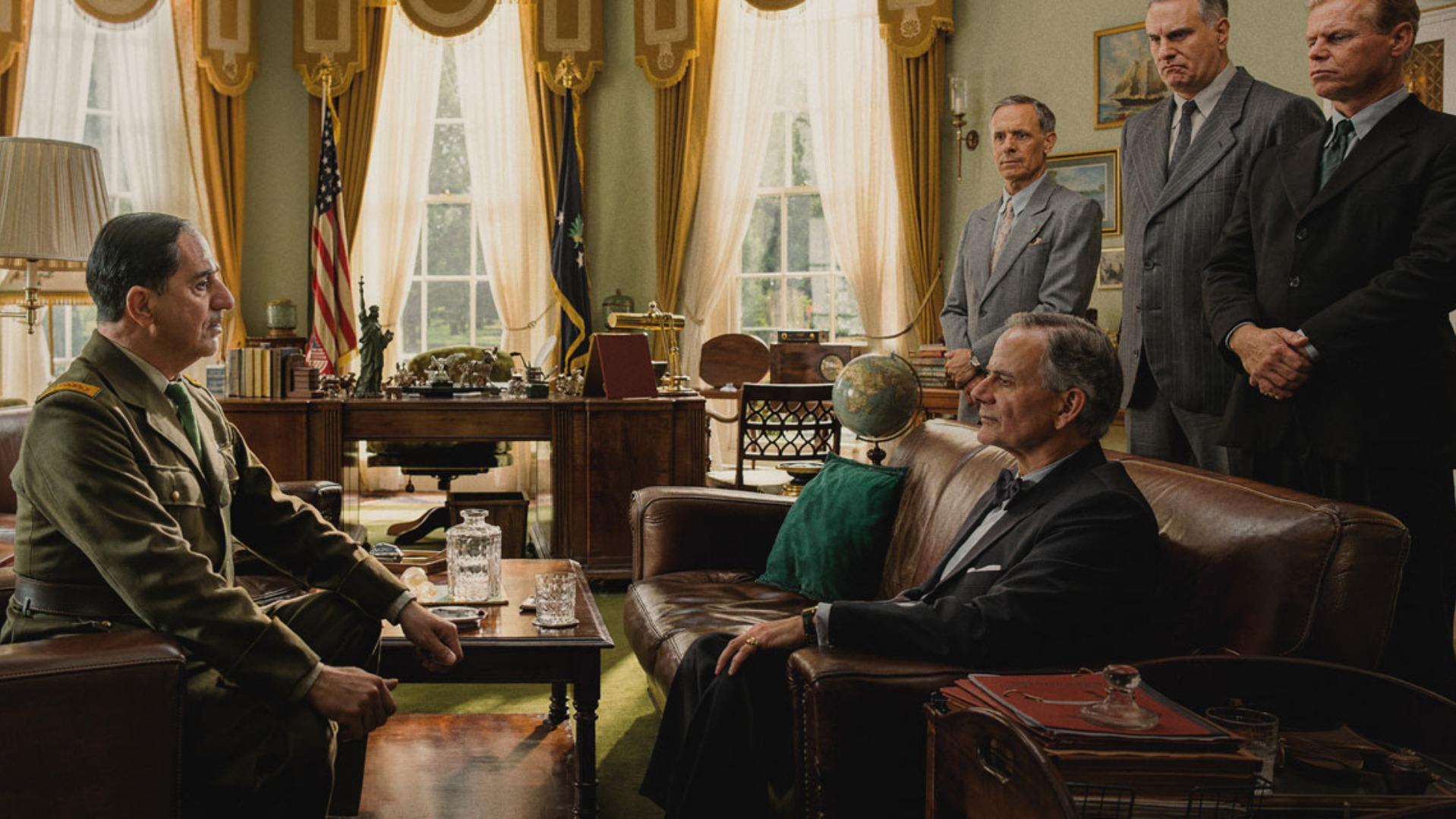
Biographers Éric Roussel and Henri-Christian Giraud have analyzed "L'Écrit en ton nom" (To Name You, France), the second installment of Antonin Baudry's "La Bataille de Gaulle" film series, for Le Figaro Histoire. They assert that director Baudry has taken significant liberties with historical accuracy in his portrayal of Charles de Gaulle and the events surrounding the Liberation of France. The film aims to present a quasi-Shakespearean figure of De Gaulle, which, according to the biographers, necessitates deviations from established historical facts. Roussel and Giraud, who have extensively studied the lives of the main figures depicted in the film, offer their expert opinions on the historical integrity of Baudry's cinematic narrative. Their assessment suggests that while the film may offer a compelling dramatic interpretation, it does not adhere strictly to the documented events of the period. The discussion highlights the tension between historical filmmaking and factual representation, particularly when dealing with iconic historical figures and pivotal moments in national history. The biographers' critique focuses on the artistic choices made by Baudry that prioritize dramatic effect over historical fidelity.
This film's narrative approach, prioritizing a dramatic, almost mythic portrayal of Charles de Gaulle, invites scrutiny regarding its adherence to historical fact. The filmmakers' decision to take liberties with the historical record, as noted by biographers, raises questions about the responsibility of historical cinema in shaping public understanding. While artistic license is inherent in filmmaking, the potential for such interpretations to influence collective memory necessitates a critical examination of the underlying incentives. This includes considering whether the pursuit of a compelling narrative overshadows the importance of factual accuracy, especially when depicting pivotal national figures and events. The long-term impact of such portrayals on historical education and public perception warrants careful consideration in an era where media narratives are increasingly influential.
AI-generated to prompt reflection — not editorial opinion, not advice, not a statement of fact. How this works.