Financial 'Right to Be Forgotten' Law May Harm Responsible Borrowers
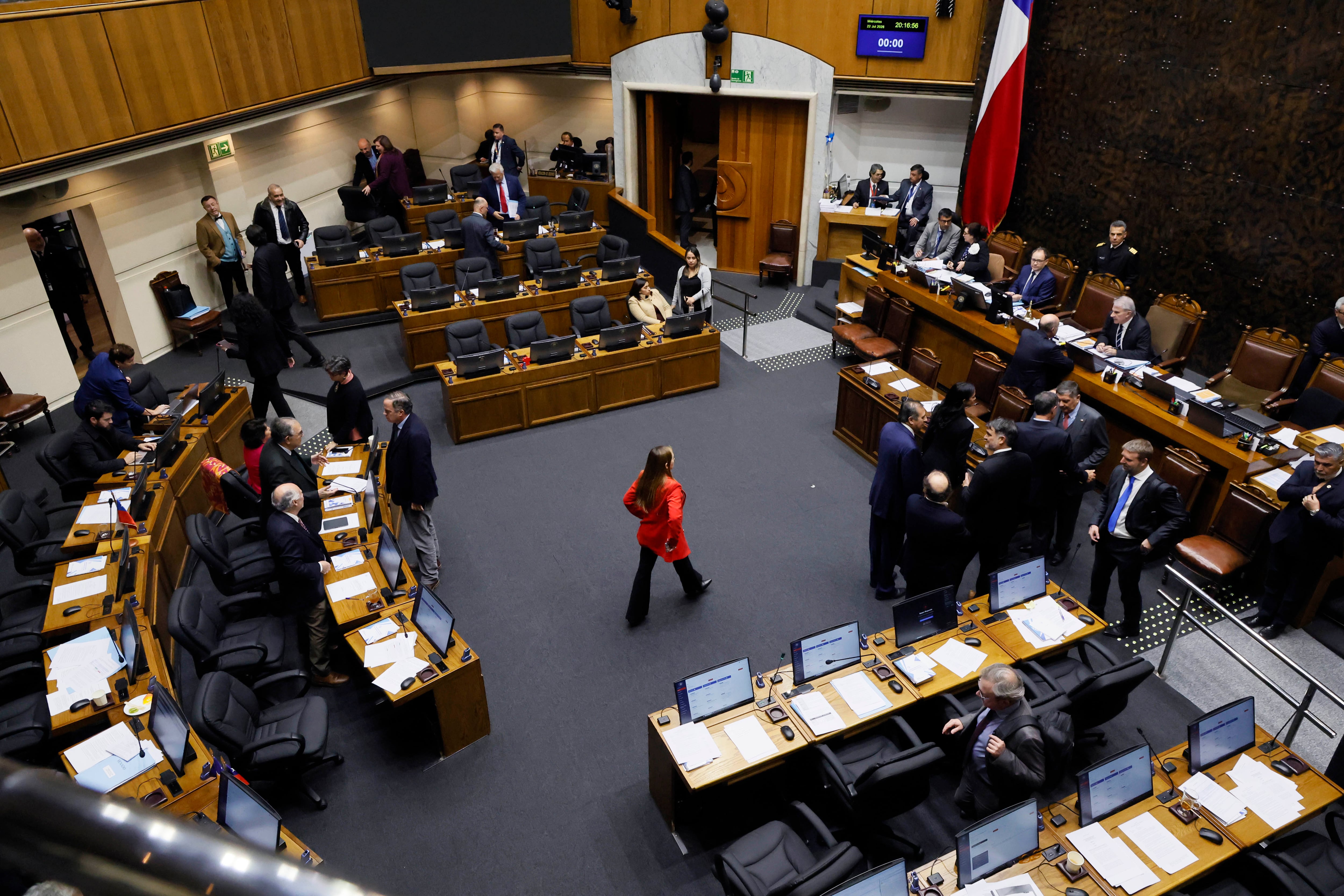
A proposed 'financial right to be forgotten' law in Argentina, part of the National Reconstruction project, aims to help individuals reintegrate financially. However, critics argue that preventing financial institutions from considering relevant payment history will hinder proper risk assessment and weaken compliance culture. This could lead to credit becoming less dependent on individual financial behavior, negatively impacting those who have consistently met their obligations. Consequently, loans may become more expensive, with increased demands and reduced access to financing for everyone.
The Fundación Jaime Guzmán, through Catalina Delgado, suggests that true protection for individuals lies not in erasing the signals that build trust, but in fostering a system where responsibility is valued. While the 'financial right to be forgotten' may appear to be an appealing solution, its unintended consequences could disproportionately harm the very people it intends to assist. The foundation warns that a promise of relief might conceal undesirable outcomes.
The proposed 'financial right to be forgotten' legislation in Argentina attempts to address financial exclusion by removing past negative credit information. While the stated goal of facilitating financial reintegration is laudable, the law's structure raises concerns about its impact on risk management for financial institutions. By limiting the data available for credit assessments, lenders may face increased uncertainty, potentially leading to higher borrowing costs or reduced credit availability overall. This creates a systemic tension between promoting financial inclusion and maintaining the stability and efficiency of the credit market. Future policy considerations might explore alternative mechanisms for rehabilitation that balance the need for a fresh start with the imperative of informed lending practices, ensuring that responsible financial behavior continues to be incentivized within the evolving economic landscape.
AI-generated to prompt reflection — not editorial opinion, not advice, not a statement of fact. How this works.