Finnish Happiness Explained: Scientist Reveals Key Factors Beyond Wealth
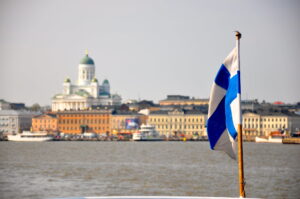
For the ninth consecutive year, Finland has been recognized as the happiest country in the world, with other Nordic nations frequently ranking highly as well. This sustained success often appears paradoxical given Finland's long, dark winters, cold climate, and high tax rates, conditions not typically associated with happiness. However, scientific research points to factors beyond financial wealth as the primary drivers of this well-being. A scientist has delved into these reasons, identifying specific elements of Finnish society and culture that contribute to their high levels of life satisfaction. The findings suggest that a strong social support system, a high degree of trust in institutions and fellow citizens, and a close connection to nature play crucial roles. Furthermore, emphasis on work-life balance, access to quality public services, and a general sense of security and autonomy are highlighted as significant contributors. The research implies that these societal structures and cultural values, rather than economic prosperity alone, form the foundation of Finnish happiness. Understanding these elements could offer valuable lessons for other nations seeking to improve the well-being of their populations.
Finland's consistent top ranking in global happiness indices, despite challenging environmental factors and high taxation, prompts an examination of societal structures over purely economic metrics. The research suggests that societal capital—encompassing trust, social support, and effective governance—may be a more potent determinant of collective well-being than individual wealth. This perspective challenges conventional economic models that often equate prosperity with happiness. The persistent success of Nordic nations highlights a potential systemic advantage in prioritizing social cohesion and public services, which could be a strategic imperative for nations aiming to foster long-term citizen satisfaction. Future societal development may increasingly hinge on cultivating these non-monetary assets to navigate the complexities of the modern era.
AI-generated to prompt reflection — not editorial opinion, not advice, not a statement of fact. How this works.