Fiocruz Warns of Rising Severe Respiratory Illness Cases in Minas Gerais
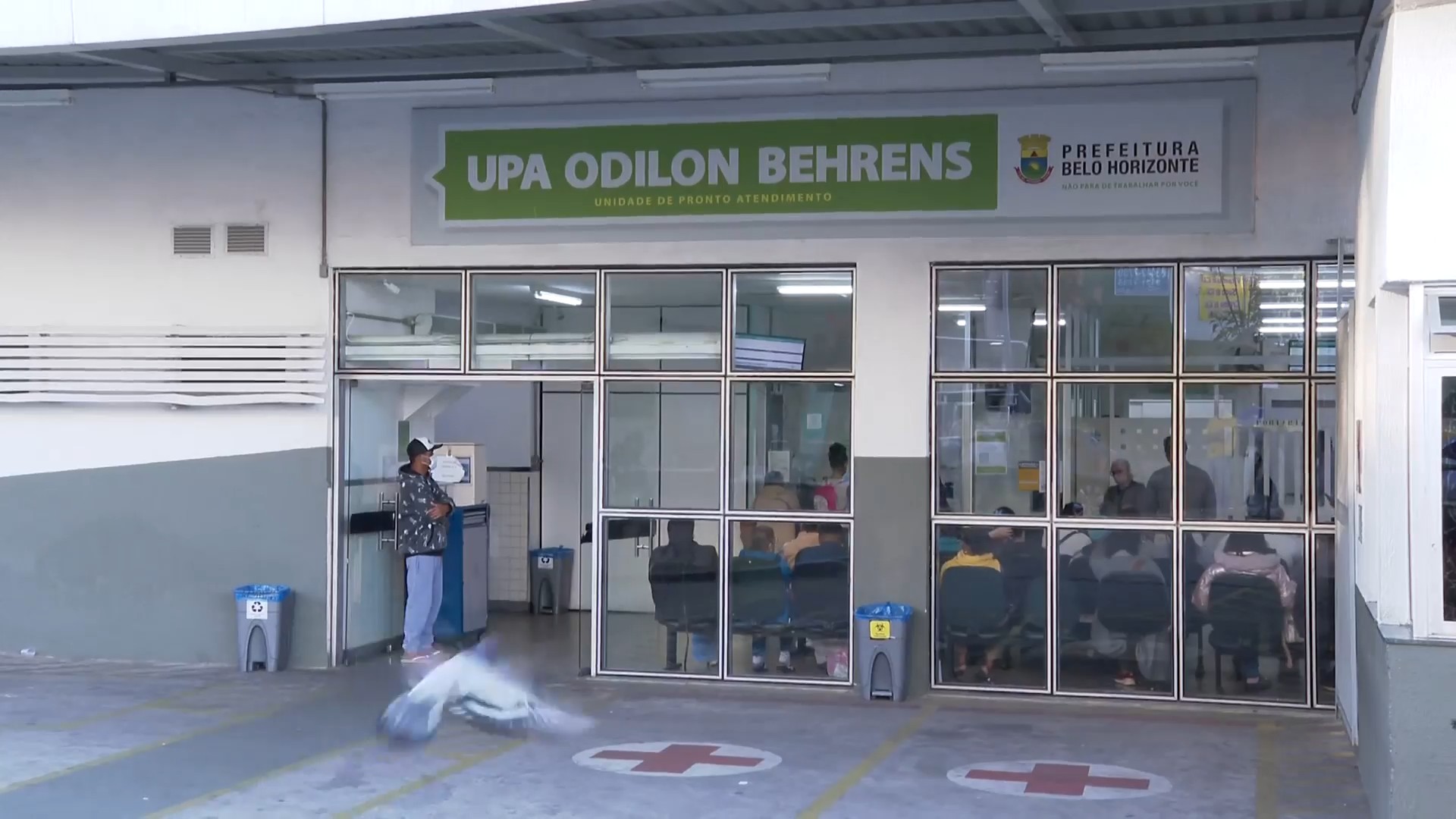
The Oswaldo Cruz Foundation (Fiocruz) has issued a warning regarding an increase in Severe Acute Respiratory Syndrome (SRAG) cases in Minas Gerais, Brazil. The state is experiencing a growing trend in hospitalizations and is currently at a level of alert, risk, or high risk for the disease. This surge is primarily driven by the respiratory syncytial virus (VSR), which disproportionately affects children under 2 years old, and by influenza B, which is causing severe illness in children, young people, and adults. Minas Gerais is among the top five Brazilian states with a rise in flu cases in recent weeks.
According to Fiocruz researcher Tatiana Portella, the situation in Minas Gerais demands attention, with SRAG cases at a very high level and an upward trend. Between January and June of 2026, Minas Gerais recorded over 21,000 SRAG cases, a decrease from the 27,372 notifications in the same period of 2025. However, recent data indicates an increase in cases, which the State Health Secretariat is monitoring daily. To address the rise, the state has expanded hospital capacity since April, adding over 90 clinical beds and, in May and June, 105 intensive care unit beds and 19 ventilatory support beds for adults and children.
In Belo Horizonte, 243 deaths from SRAG have been reported in 2026, predominantly among individuals over 60 years old. In July alone, approximately 39,000 respiratory illness-related consultations occurred in the city's emergency units and health centers. Vaccination against the flu remains a key preventive measure, but Belo Horizonte's vaccination coverage is below the Ministry of Health's target, with only 59.43% of the target population immunized. Fiocruz highlights that young children are most affected by VSR, while older adults (65+) are more vulnerable to fatal outcomes, particularly from influenza A. Public health recommendations include staying up-to-date with vaccinations, frequent hand washing, covering coughs and sneezes, avoiding contact with others when symptomatic, and wearing PFF2 or N95 masks when unable to isolate.
The surge in severe respiratory illnesses in Minas Gerais, driven by VSR and influenza B, highlights the ongoing vulnerability of populations, particularly young children and the elderly, to seasonal and novel respiratory pathogens. The disparity between accumulated case numbers and recent trends underscores the importance of real-time epidemiological surveillance and agile public health responses. The sub-optimal vaccination rates in Belo Horizonte suggest a need for enhanced public health communication strategies to address vaccine hesitancy and improve uptake, especially among priority groups. Looking ahead, the increasing interconnectedness of global travel and climate shifts may exacerbate the frequency and severity of such outbreaks, necessitating robust public health infrastructure, advanced diagnostic capabilities, and proactive vaccination campaigns that adapt to evolving viral strains and population immunity levels.
AI-generated to prompt reflection — not editorial opinion, not advice, not a statement of fact. How this works.