Fire Destroys Over 1 Million Court Cases and R$1 Million in Assets at Espírito Santo Court Archive
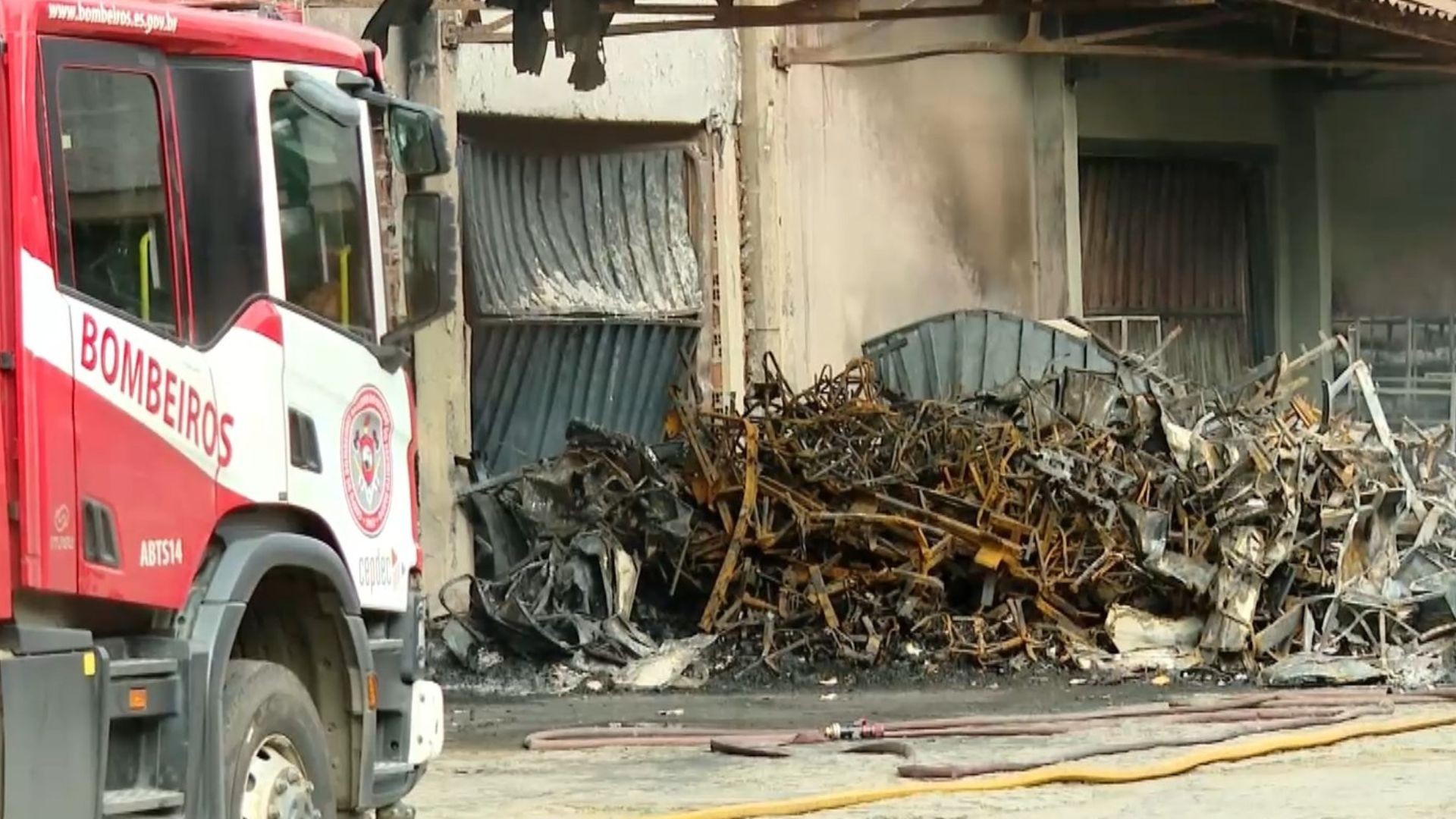
A significant fire ravaged a warehouse belonging to the Espírito Santo Court of Justice (TJES) in Serra, Grande Vitória, on Tuesday, March 21st. The blaze resulted in the destruction of approximately 1.05 million archived physical legal processes and 10,600 unusable assets, with an estimated accounting value of R$1 million. According to TJES President Janete Vargas Simões and Secretary-General Anselmo Laghi Laranja, all affected processes were already closed and no longer subject to appeals, ensuring that no judicial services would be interrupted. The fire impacted the General Archive and part of the Warehouse, affecting about 50% of the physical case files stored there, out of a total of 2.1 million processes. Approximately 25% of these cases were already digitized, and another 25% were slated for disposal. The warehouse also contained 10,600 unusable assets, with over 70% of the destroyed property being shelving units. New materials and items in use were safely stored in a separate, unaffected building. The TJES has established an emergency committee to investigate the fire's causes with the Civil Police and Fire Department and to manage the situation. Despite the loss of historical records, the court stated that procedures exist to restore destroyed case files if requested, by retrieving documents from their systems. The affected warehouse had a valid fire inspection certificate, insurance, and 24-hour video surveillance, with a routine inspection scheduled for the following day. The court is considering vacating the remaining parts of the facility and re-evaluating its lease agreement.
The fire at the Espírito Santo Court of Justice's archive highlights critical infrastructure vulnerabilities in the management of legal records. While the TJES asserts that ongoing judicial operations remain unaffected due to the prevalence of electronic case files, the destruction of over a million physical processes, even if closed, represents a significant loss of historical legal data. The incident raises questions about the adequacy of physical archive preservation strategies, especially in light of a prior union complaint in October 2025 detailing risks of mold, pests, and fire. The presence of valid safety certifications and surveillance systems, juxtaposed with the catastrophic outcome, suggests potential systemic oversights in risk mitigation or emergency response protocols. Moving forward, a comprehensive review of archival storage protocols, including enhanced fire suppression technologies and more robust disaster recovery planning for physical records, is warranted to safeguard institutional memory and historical legal context against future incidents, irrespective of digitalization efforts.
AI-generated to prompt reflection — not editorial opinion, not advice, not a statement of fact. How this works.