Fire Engulfs Landfill, Cornfield, and Nature Reserve in Primavera do Leste, MT
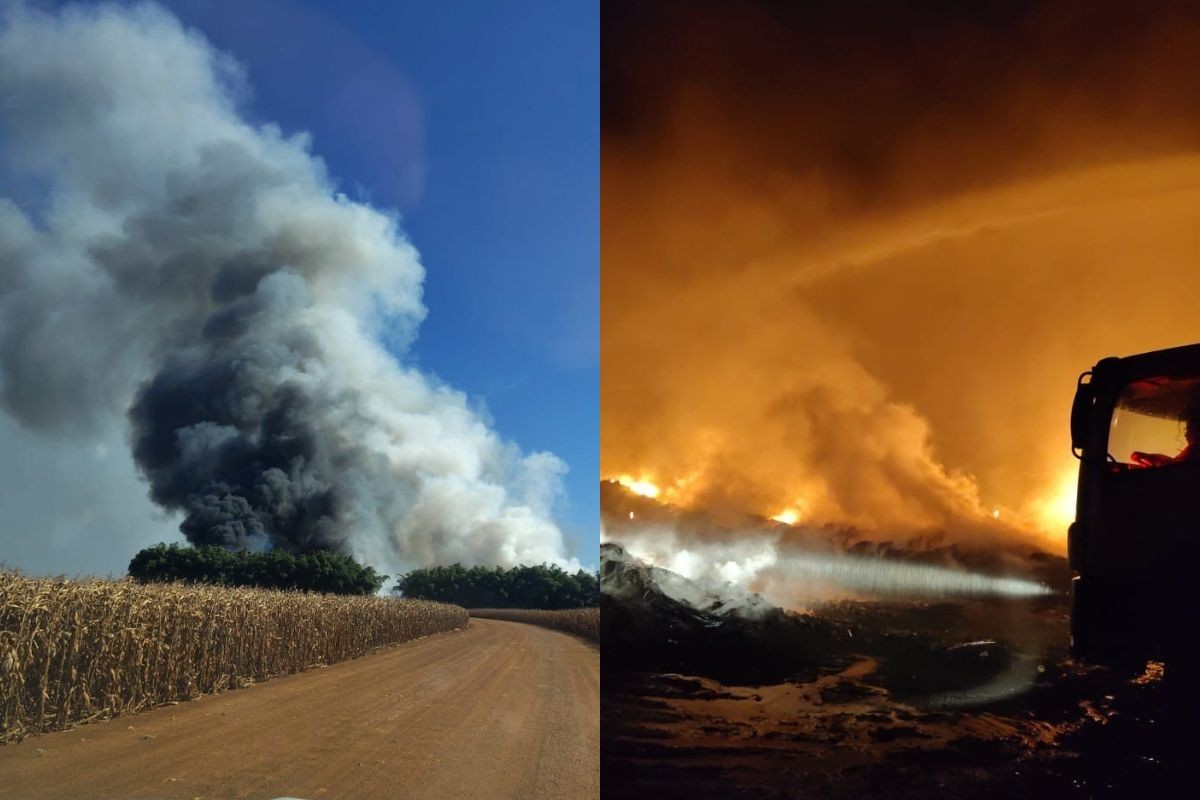
A significant fire broke out on Saturday, May 18th, in Primavera do Leste, Mato Grosso, approximately 235 km from Cuiabá. The blaze originated at a sanitary landfill and subsequently spread to a cornfield and a portion of an environmental reserve. Firefighters estimate that around 80 hectares were consumed by the flames. The suspected cause of the fire is a short circuit in the electrical grid, reportedly due to a lack of tree pruning near high-voltage power lines. According to the fire department, the vigilante at the landfill reported that wind caused tree branches to brush against the wires, creating sparks that ignited dry vegetation. Firefighters noted the risk posed by the unpruned trees to local workers. Resources deployed to combat the fire included approximately 50,000 liters of water, two fire trucks, an agricultural aircraft, heavy machinery, and assistance from neighboring farm employees. While the fire reached the environmental reserve, it was contained before causing further damage. Firefighters created a firebreak around the forest near a stream to prevent further spread. The Municipal Government of Primavera do Leste stated that the site will continue to be monitored and urged the public to prevent fires and avoid actions that could cause them.
This incident highlights systemic vulnerabilities in infrastructure management and environmental oversight. The fire's origin in a sanitary landfill, exacerbated by unmaintained electrical infrastructure and dry vegetation, points to potential gaps in regulatory enforcement and preventative maintenance protocols. The rapid spread to agricultural and environmental zones underscores the interconnectedness of urban, industrial, and natural landscapes and the critical need for robust buffer zones and immediate hazard mitigation. Future considerations should include enhanced oversight of utility corridors, particularly in areas prone to dry conditions, and integrated land-use planning that accounts for the cascading risks of industrial operations on surrounding ecosystems. The response, while effective in containment, also reveals the reactive nature of current disaster management, emphasizing the long-term benefits of proactive risk assessment and infrastructure resilience.
AI-generated to prompt reflection — not editorial opinion, not advice, not a statement of fact. How this works.