Firebreaks: Vineyards as a natural defense against wildfires
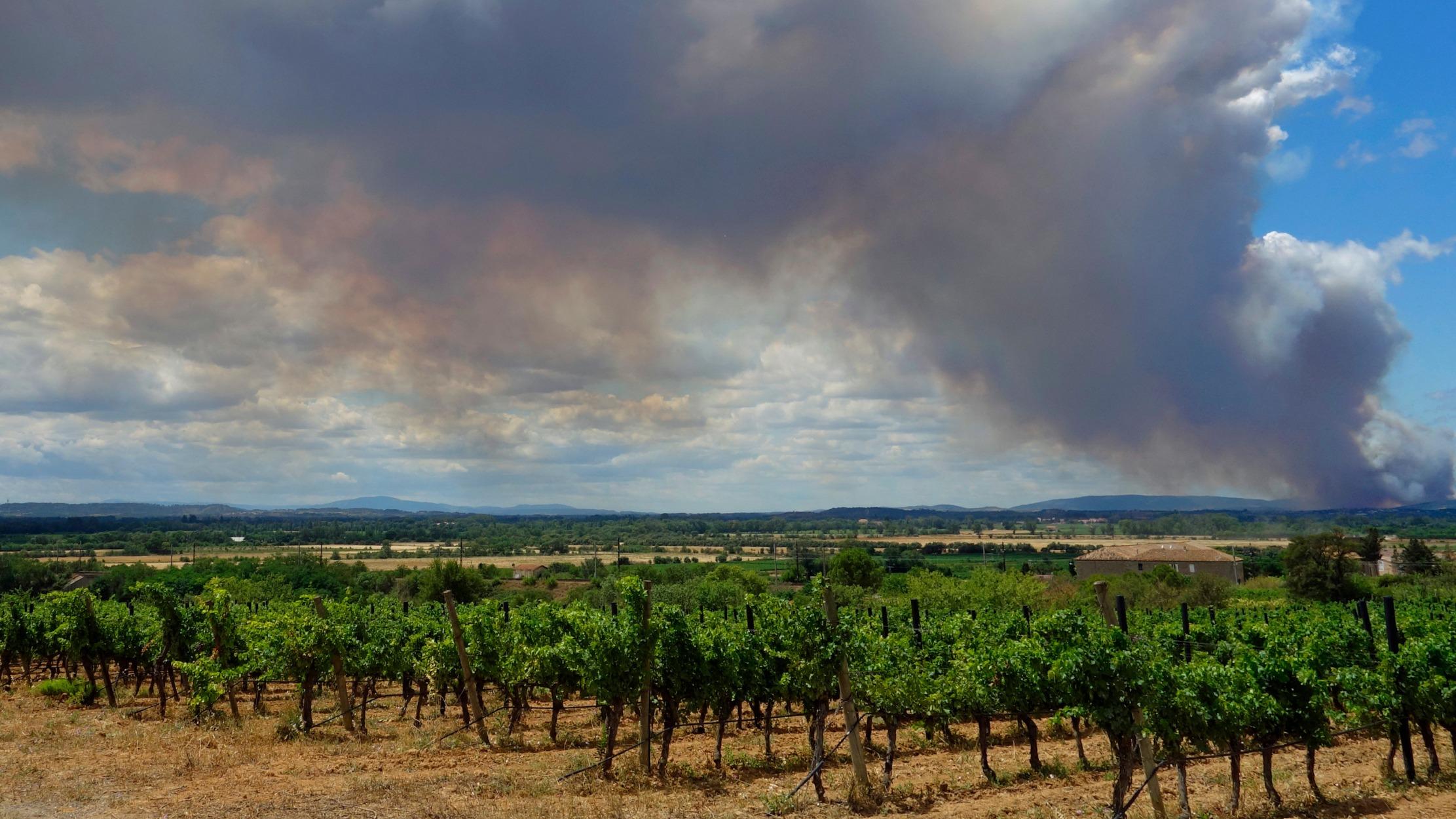
As large-scale fires consume hundreds of hectares across France, vineyards are proving to be a vital natural firebreak, significantly slowing the spread of flames. This natural defense mechanism has been observed to be highly effective in containing blazes. However, winegrowers are expressing serious concern that the increasing number of vineyard uprooting campaigns could exacerbate wildfire intensity in the coming years. They fear that the removal of these natural barriers will leave landscapes more vulnerable to the rapid propagation of fires. This situation highlights a growing tension between agricultural practices and ecological resilience in the face of climate change and increased fire risk.
The effectiveness of vineyards as natural firebreaks presents an interesting case study in land management and ecological resilience. While these agricultural areas offer a valuable, albeit unintentional, service in mitigating wildfire spread, the economic pressures or policy incentives driving vineyard uprooting could undermine this protective function. This situation highlights a potential systemic contradiction: as climate change intensifies fire seasons, land use decisions that reduce natural firebreaks may inadvertently increase vulnerability. Future policy and land use planning could benefit from integrating such ecological services into economic or agricultural decision-making frameworks, incentivizing the preservation of natural fire mitigation assets rather than their removal.
AI-generated to prompt reflection — not editorial opinion, not advice, not a statement of fact. How this works.