Firefighters Confront New Risks Posed by Battery Storage Systems
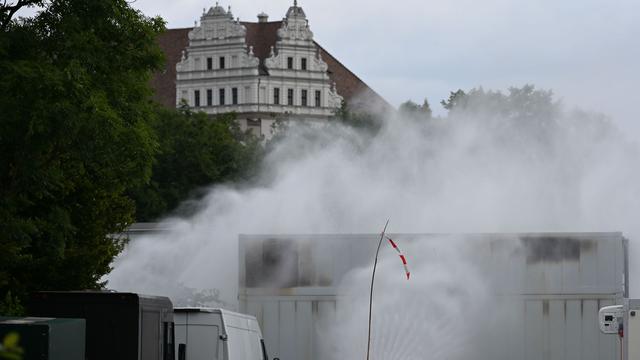
Fire departments are increasingly facing new and complex risks associated with the growing number of battery storage systems. These systems, crucial for renewable energy integration, present unique challenges during emergencies. Firefighters must contend with the potential for thermal runaway, where a battery cell overheats and can trigger a chain reaction in adjacent cells, leading to intense fires and the release of toxic gases. The chemical composition of these batteries, often lithium-ion, requires specialized extinguishing agents and tactics that differ significantly from traditional firefighting methods. Furthermore, the high energy density of these storage units means that fires can be exceptionally difficult to control and can reignite hours or even days after initial suppression efforts. The rapid expansion of battery storage infrastructure, driven by climate goals and energy transition policies, necessitates ongoing training and the development of new protocols for emergency responders. Addressing these evolving risks is paramount to ensuring the safety of both the public and the firefighters themselves as the reliance on battery technology increases.
The proliferation of battery storage systems, while essential for decarbonization efforts and grid stability, introduces novel safety considerations for emergency services. The inherent energy density of these systems presents a significant challenge, requiring a reevaluation of established firefighting protocols and equipment. As the deployment of battery technology accelerates, there is a clear incentive for manufacturers, installers, and regulatory bodies to collaborate on developing robust safety standards and providing comprehensive training for first responders. Future-proofing this infrastructure involves not only technological innovation but also a proactive approach to risk management, ensuring that the transition to renewable energy does not inadvertently create new vulnerabilities within public safety systems.
AI-generated to prompt reflection — not editorial opinion, not advice, not a statement of fact. How this works.