Fireray Spotted Swimming with Blue Discus Fish in Tocantins, Brazil
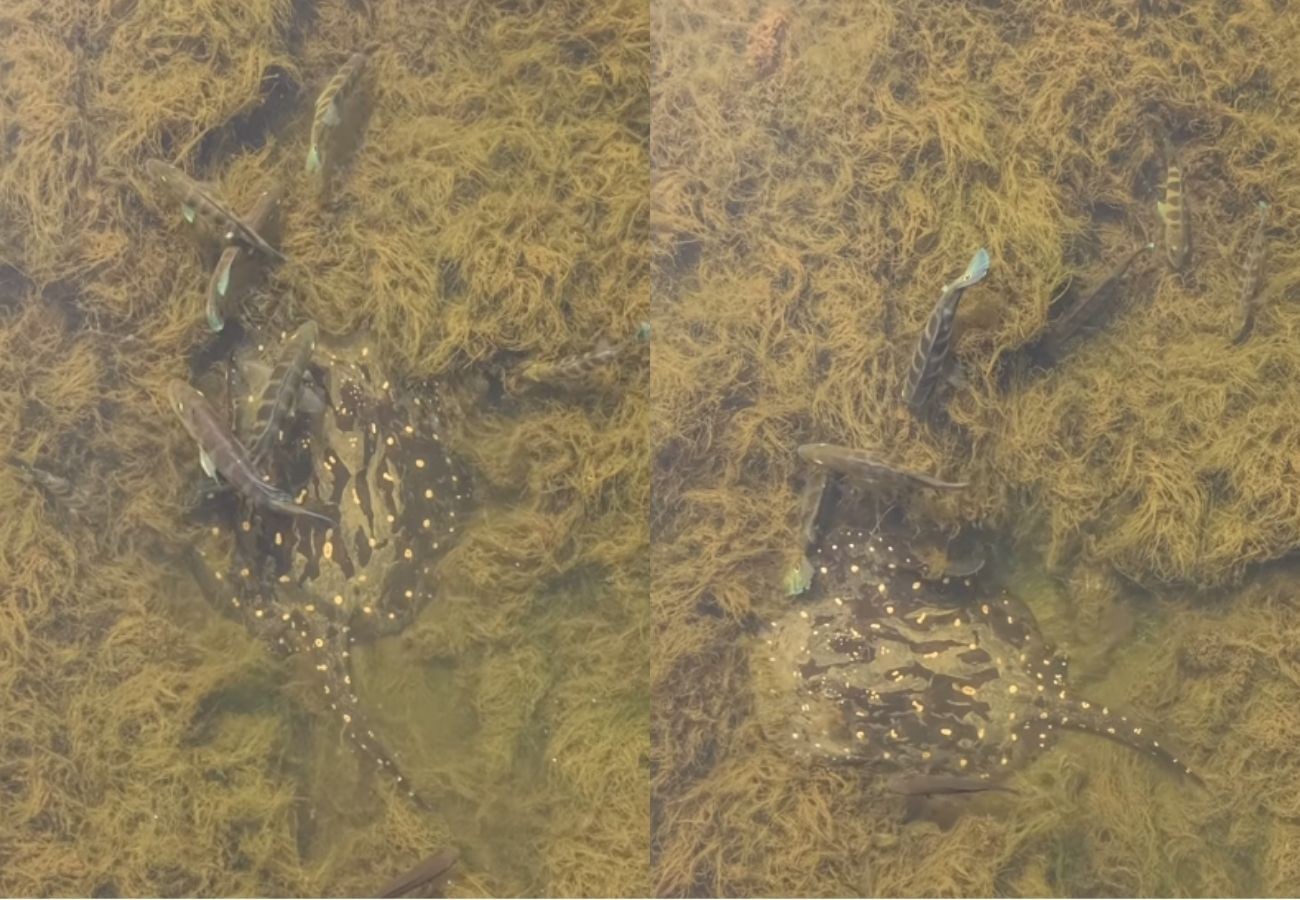
A fireray (Potamotrygon motoro or Potamotrygon orbignyi), a freshwater fish common in the Tocantins River that can exceed one meter in length, was recently observed swimming alongside blue discus fish in the region of Babaçulândia, in northern Tocantins, Brazil. The footage was captured by sports fisherman Wanderson Costa using a drone and shared on social media in July. Biologist Oscar Vitorino explained that the fireray is a cartilaginous fish, related to sharks, belonging to the Class Chondrichthyes. A notable characteristic of the species is its internal fertilization and embryonic development, with young emerging fully developed and ready to feed. The fireray earns its name from its coloration and the potential for painful stings, which occur defensively when the animal is accidentally stepped on. These stings are particularly hazardous due to toxins and bacteria, such as Aeromonas, which can lead to severe infections and antibiotic resistance. Medical guidance for stings includes washing the affected area with warm water to alleviate pain and reduce toxin effects, followed by immediate medical attention, while avoiding tourniquets or covering the wound to prevent bacterial proliferation. Studies indicate the fireray's diet in the Tocantins River primarily consists of aquatic invertebrates, with the fish acting as a bottom predator that uses smell and electric sensors to find prey hidden in sediment. Its diet includes small fish, freshwater shrimp, aquatic insects and larvae, snails, and other crustaceans. The fireray is distinguished by its unique red or orange spotted pattern, a restricted geographic distribution mainly within the Tocantins-Araguaia basin, and significant ecological and ornamental value, making it sought after in the ornamental fish trade, necessitating controlled exploitation. Like other Potamotrygon rays, it exhibits viviparous reproduction, with offspring developing internally and being born live.
The sighting of a fireray swimming with discus fish in the clear waters of Tocantins highlights the biodiversity of the region's aquatic ecosystems. The description of the fireray as a 'cousin' to sharks, due to its cartilaginous nature, provides context for its biological classification. The detailed explanation of its defensive sting mechanism and associated medical advice underscores the importance of understanding and respecting wildlife to prevent injury. The species' unique coloration, restricted distribution, and ornamental appeal present a duality: it is a valuable natural asset but also vulnerable to overexploitation in the aquarium trade, necessitating careful management and conservation strategies. The viviparous reproduction, where young develop internally, is a significant biological trait that distinguishes it within its environment. Future considerations should focus on sustainable management of its population, balancing ecological roles with economic potential and ensuring the preservation of its habitat against potential anthropogenic pressures.
AI-generated to prompt reflection — not editorial opinion, not advice, not a statement of fact. How this works.