Fires Return: From Tool to Threat
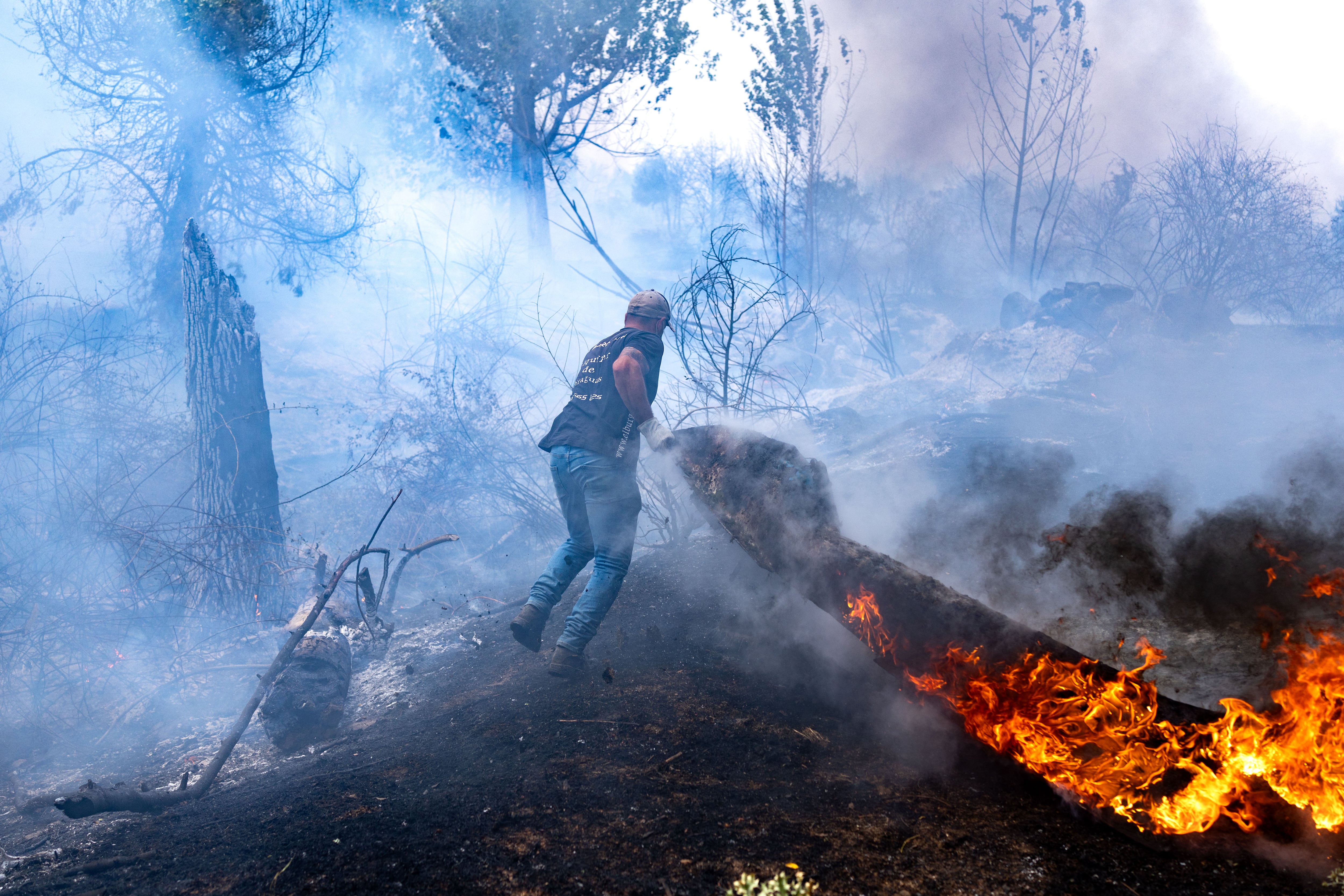
The destructive force of fire, once a valuable tool for humanity, has now become a significant threat. This transformation is evident in the unsettling sensory experiences associated with its resurgence. The air is filled with the peculiar smell of burning, a stark reminder of uncontrolled combustion. Visually, the landscape is marked by an unnatural intensity of light, indicating areas that have been excessively illuminated by flames. This resurgence signifies a dangerous shift in the relationship between humans and fire, moving from a controlled element to a destructive force.
The re-emergence of fire as a threat, rather than a tool, suggests a potential breakdown in ecological management systems or an increase in environmental stressors. This shift from utility to hazard warrants an examination of the underlying factors, such as climate change impacts or human-induced ignition sources. Understanding the drivers behind this phenomenon is crucial for developing adaptive strategies that mitigate risks and restore a sustainable balance between human activity and natural forces, ensuring fire's role is once again constructive rather than destructive.
AI-generated to prompt reflection — not editorial opinion, not advice, not a statement of fact. How this works.