First Antarctica Dinosaur Fossil Identified as Titanosaur
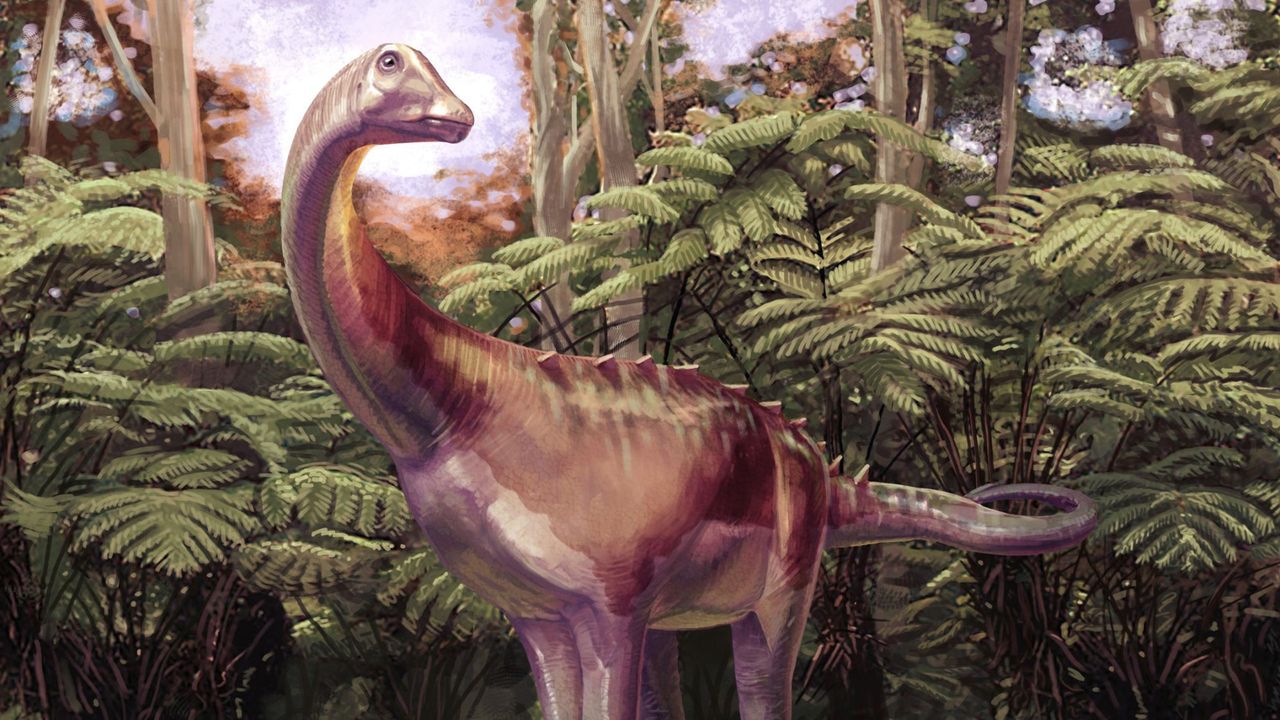
Scientists have identified the first dinosaur fossil ever found in Antarctica. The fossil belongs to a titanosaur, a group known for containing some of the largest land animals to have ever lived. This discovery marks a significant paleontological find for the continent, previously lacking such direct evidence of dinosaur life. Titanosaurs were a diverse group of sauropod dinosaurs that roamed the Earth during the Cretaceous period. Their immense size and widespread distribution across the globe suggest they were highly successful and adaptable creatures. The identification of this fossil in Antarctica provides crucial insights into the prehistoric ecosystems of the southern polar regions. It helps researchers understand the distribution and evolution of these colossal herbivores. Further study of the fossil is expected to reveal more about the specific species and its environment. This finding contributes to our broader understanding of dinosaur evolution and ancient global biodiversity.
The discovery of Antarctica's first dinosaur fossil, identified as a titanosaur, offers valuable data for reconstructing the paleogeography and biodiversity of the Southern Hemisphere during the Mesozoic Era. Understanding the presence of large herbivores like titanosaurs on a continent now characterized by extreme cold provides a stark contrast and highlights the significant climatic shifts Earth has undergone. This finding prompts further investigation into the migratory patterns, continental connections, and environmental conditions that supported such megafauna in polar regions millions of years ago. Future research will likely focus on the implications for understanding global climate models and the resilience of life in diverse environmental settings.
AI-generated to prompt reflection — not editorial opinion, not advice, not a statement of fact. How this works.