First Contagious Cancer Found in Fish by Scientists
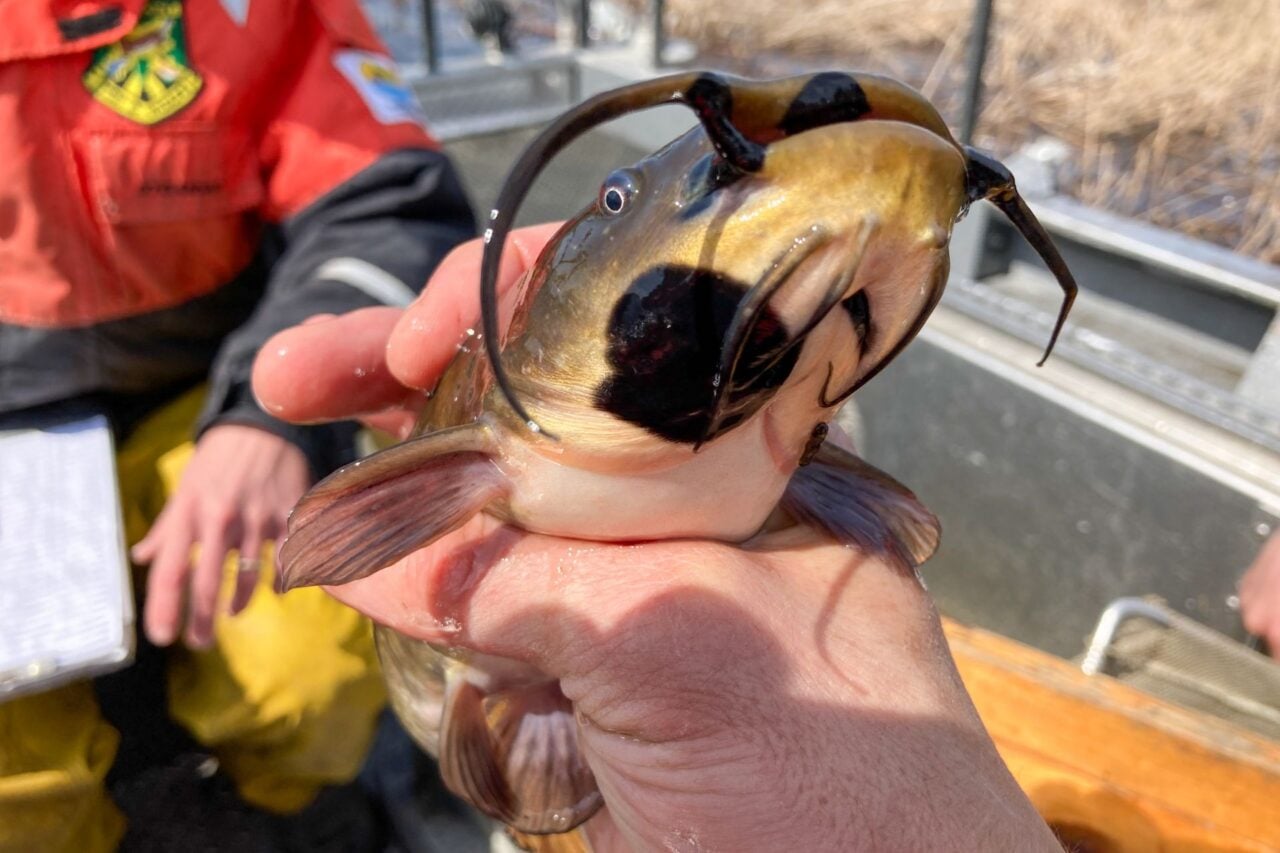
Scientists have identified the first known contagious cancer affecting fish. This marks only the fourth instance of a contagious cancer discovered in any animal species to date. The researchers suggest that additional contagious cancers may exist in animal populations but have yet to be detected. The discovery highlights the potential for cancers to spread between individuals within a species, a phenomenon previously observed in Tasmanian devils, quolls, and clams. Further research is anticipated to explore the prevalence and mechanisms of this newly identified fish cancer. Understanding how this cancer spreads is crucial for conservation efforts and for comprehending the broader landscape of animal oncology. The implications of this finding extend to veterinary medicine and comparative pathology, offering new avenues for studying cancer transmission.
The identification of a contagious cancer in fish adds to a growing body of evidence that cancer can, in rare instances, behave as an infectious agent. This discovery prompts a re-evaluation of disease transmission models in aquatic ecosystems. From a public health perspective, it underscores the importance of monitoring wildlife health for novel pathogens and disease dynamics. The long-term implications may involve developing new diagnostic and preventative strategies for both wildlife and potentially zoonotic diseases. Understanding the evolutionary pressures that allow such cancers to emerge and spread could offer insights into cancer biology across species.
AI-generated to prompt reflection — not editorial opinion, not advice, not a statement of fact. How this works.