First Female Tiger Shark in Southeast Brazil Sighted in Angra dos Reis
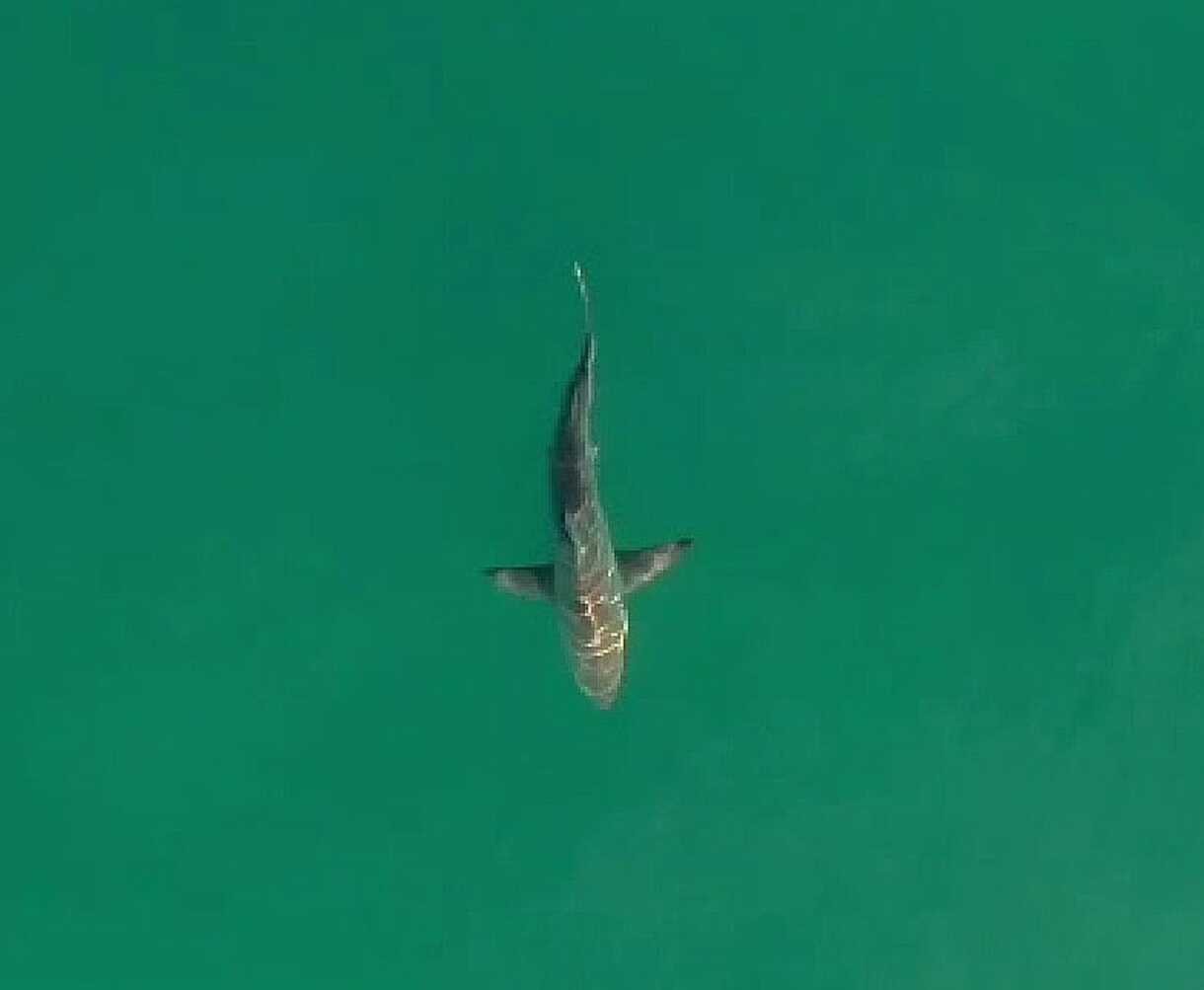
The first female tiger shark identified in Southeast Brazil has been sighted in Angra dos Reis, Rio de Janeiro. The sighting occurred in Baía da Ilha Grande on July 17th by the ProShark Institute. The tiger shark, named Caiçara, measures 2.40 meters and was named in honor of the traditional coastal communities. On the same day, a female blacktip shark, measuring 2.30 meters and named Badjeca, was also observed. Badjeca's name also pays tribute to the traditional spirit of Ilha Grande. The ProShark Institute utilized satellite telemetry technology to capture and transmit data from the animals. This technology allows for remote data collection from equipment, vehicles, or systems. The institute also reported that other sharks have been previously sighted in the region. Female blacktip sharks named Beth and Aurora were the first to be identified by the program. Caiçara is now the first tiger shark in the region to be monitored using satellite telemetry. Badjeca is part of the same group of blacktip sharks as Beth and Aurora.
The sighting of a female tiger shark and a blacktip shark in Angra dos Reis, utilizing satellite telemetry, highlights advancements in marine research and monitoring capabilities. This technological application allows for non-invasive tracking and data collection, crucial for understanding the behavior, migration patterns, and conservation needs of these species. The naming of the sharks, Caiçara and Badjeca, reflects a growing trend in scientific initiatives to integrate local cultural heritage with ecological research, fostering community engagement and awareness. The continued observation of sharks in this area suggests a potentially healthy marine ecosystem, but also underscores the importance of ongoing monitoring to assess population dynamics and potential threats in the face of increasing human activity and climate change impacts. Future research could focus on the long-term implications of these findings for regional biodiversity and the development of effective marine protected areas.
AI-generated to prompt reflection — not editorial opinion, not advice, not a statement of fact. How this works.