First Sugar Molecule Detected in Space, Hinting at Widespread Life Ingredients
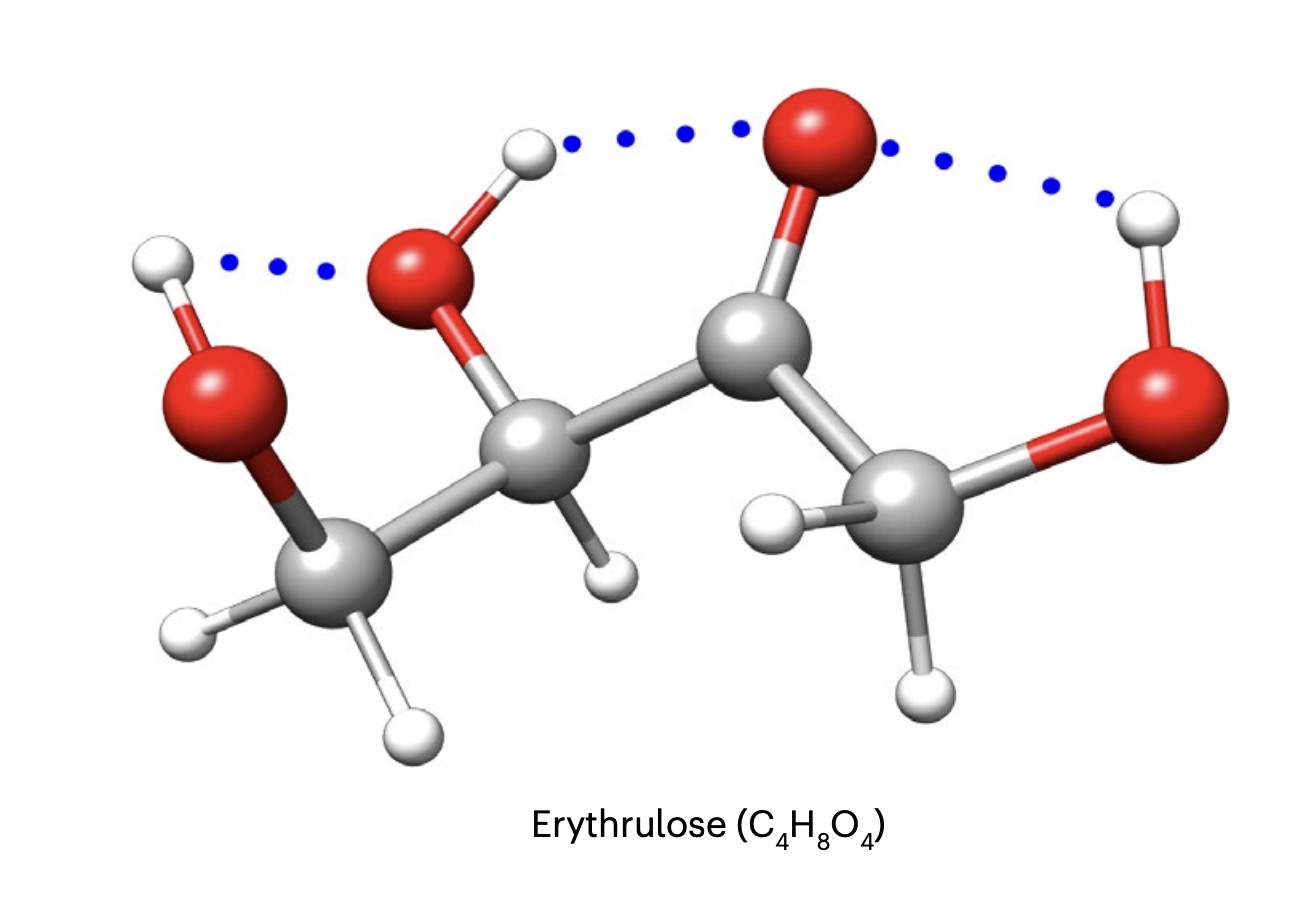
An international team of astronomers has detected a sugar molecule, erythrose, for the first time outside our Solar System. The discovery was made in a vast gas and dust cloud near the center of the Milky Way, approximately 26,000 light-years from Earth. This finding, published in "Nature Astronomy," marks the first time a molecule chemically classified as a true sugar has been confirmed in interstellar space. Erythrose, composed of four carbon atoms, belongs to the same family as essential sugars like deoxyribose and ribose found in DNA and RNA. While similar molecules like glycolaldehyde had been found previously, they did not meet the strict chemical definition of a sugar. The detection was achieved using data from the Yebes 40m and IRAM 30m radio telescopes in Spain, which identified the molecule's unique radio fingerprint within the G+0.693-0.027 molecular cloud. Researchers confirmed the identification by comparing the observed radio signals with laboratory-measured signatures of erythrose, ensuring accuracy amidst hundreds of other molecules in the cloud. This discovery fuels speculation about the origins of life on Earth, suggesting that essential chemical ingredients for life may have been delivered from space via comets and asteroids. Scientists estimate that between 0.5 and 50 million tons of erythrose could have reached early Earth during the Late Heavy Bombardment period, between 4.1 and 3.8 billion years ago. The formation process in space, where simpler molecules like glycolaldehyde and ethylene glycol assemble on icy grains, supports the idea that complex molecules crucial for life can arise naturally in the universe long before planets exist.
The detection of erythrose in interstellar space offers a significant data point for astrobiology, suggesting that complex organic molecules, fundamental to life as we know it, may be more prevalent across the cosmos than previously assumed. This finding shifts the perspective on abiogenesis from a potentially Earth-centric event to a more universal process, supported by the chemical building blocks being readily available in stellar nurseries. Future research will likely focus on mapping the distribution of such molecules and understanding the specific chemical pathways that lead to their formation under interstellar conditions. The implication for the search for extraterrestrial life is that the necessary precursor molecules might be widespread, increasing the probability of life emerging on other suitable worlds, contingent on the presence of other environmental factors.
AI-generated to prompt reflection — not editorial opinion, not advice, not a statement of fact. How this works.