First walkers cross finish line at Nijmegen Four Days Marches
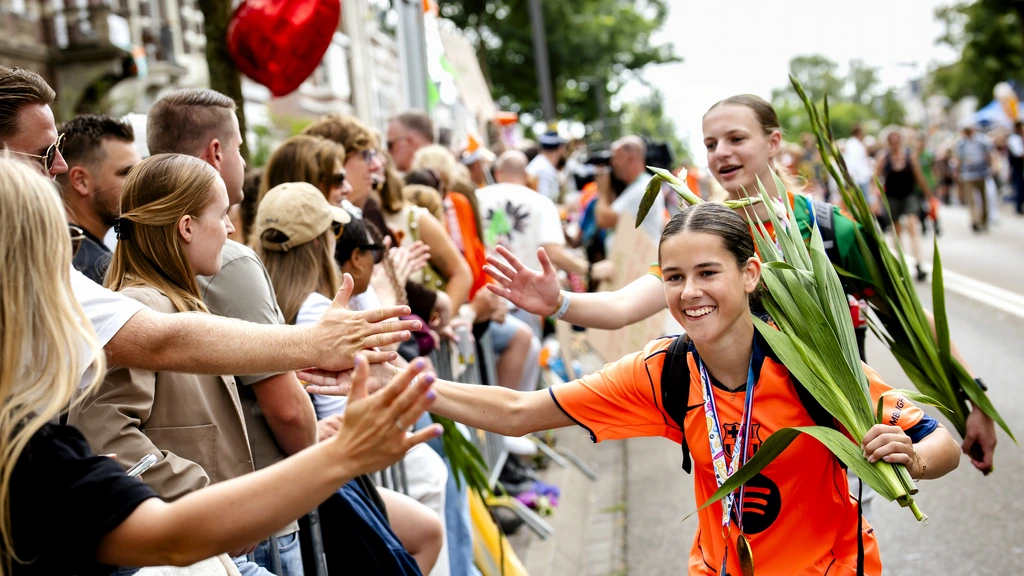
The Nijmegen Four Days Marches has reached its final day, with the first participants crossing the finish line and receiving their medals. Simon Brownlee, a British national, was the fastest civilian walker, finishing before 10 AM. This marks his 27th participation, and he described the event as feeling like home. Thousands of spectators lined the Via Gladiola, also known as Sint-Annastraat in Nijmegen, to welcome the walkers with gladioli, a symbol of strength and perseverance. The 108th edition of this annual walking event began on Tuesday at 4 AM in Nijmegen's city center. This year's marches saw over 45,000 participants from more than 70 countries. There has been a notable increase in younger participants; the proportion of walkers aged 21 to 30 rose from 7.5% in 2016 to 20.5% this year. For the first time, the final section of Friday's route was altered. The organization cited traffic safety concerns as the reason for rerouting participants away from Elstweg, Doctor Moonsweg, and Jan van Daalstraat in Beers, a deviation from the normal course.
The Nijmegen Four Days Marches highlights evolving participation demographics, with a significant rise in younger walkers, suggesting a potential shift in the event's appeal and the physical activities valued by younger generations. The route adjustment for traffic safety underscores the ongoing challenge of balancing large-scale public events with urban and rural infrastructure capacity. This tension between mass participation and logistical constraints, particularly concerning safety and accessibility, will likely intensify as similar events grow globally, necessitating innovative planning and potentially new models for crowd management and route design. The event's enduring popularity across diverse nationalities also points to the power of shared physical challenges in fostering international connection, a theme that may become increasingly important in a digitally saturated world.
AI-generated to prompt reflection — not editorial opinion, not advice, not a statement of fact. How this works.