Fish Skin May Have Light-Sensing Capabilities Beyond Reflection
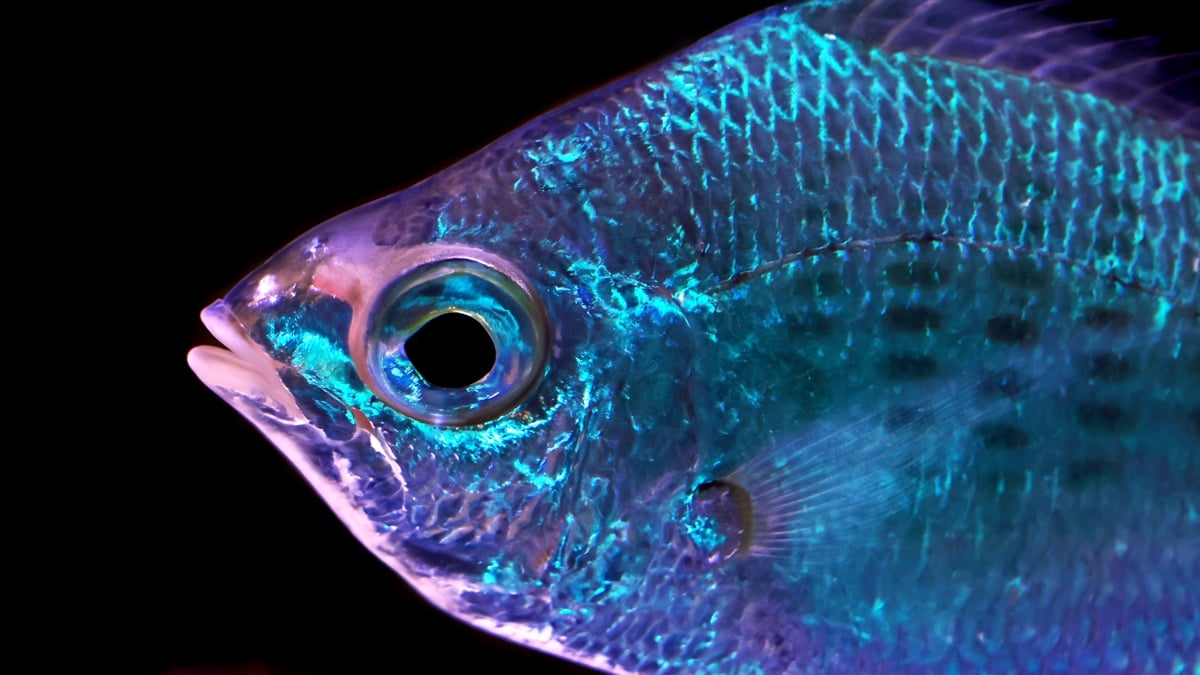
New research suggests that fish skin possesses capabilities that extend beyond simply reflecting light. Scientists are exploring the possibility that fish skin might actually be able to sense light directly. This potential function could offer a deeper understanding of how fish perceive their environment and interact with it. The implications of this discovery could be significant for fields ranging from marine biology to biomimicry. Further investigation is needed to confirm and fully understand these light-sensing properties. The study aims to uncover the mechanisms behind this potential sensory ability. This exploration could reveal novel ways in which aquatic life processes visual information. The findings may also inspire new technological applications in optics and sensing.
This research into the light-sensing properties of fish skin challenges conventional understanding of biological optics. By potentially moving beyond passive reflection to active light detection, fish skin could represent a novel sensory organ. Understanding the evolutionary pressures and biophysical mechanisms driving such a development could offer insights into the diverse ways organisms adapt to their environments. This could inform future biomimetic technologies, particularly in the development of advanced optical sensors or camouflage systems that react dynamically to light conditions. The discovery prompts consideration of how other biological tissues might possess undiscovered sensory functions, urging a broader re-evaluation of organismal perception.
AI-generated to prompt reflection — not editorial opinion, not advice, not a statement of fact. How this works.