Fisherman Dies After Boat Capsizes in Stormy Weather in São Sebastião, Brazil
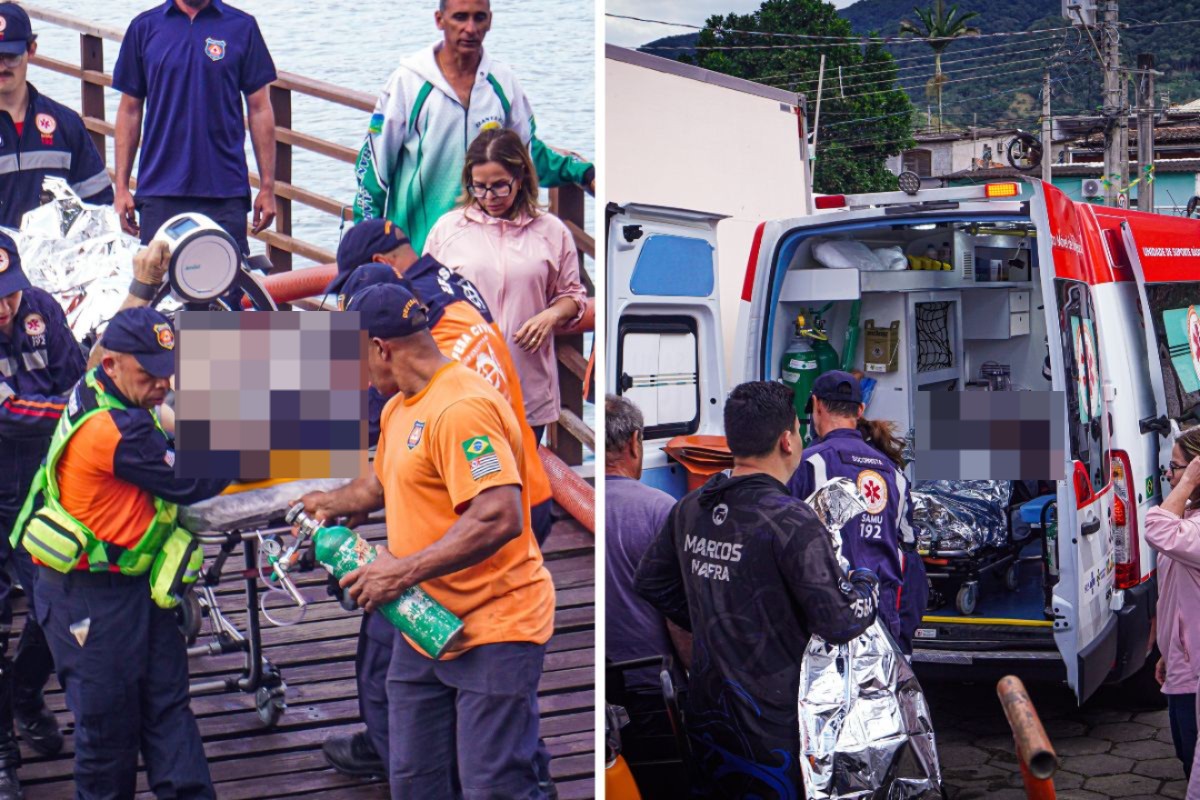
A 58-year-old fisherman, Eduardo Corrêa de Ávila, originally from Mogi das Cruzes, has died after his fishing boat capsized during a strong gale in São Sebastião, on the North Coast of São Paulo. The incident occurred on Wednesday afternoon, the 29th, in the São Sebastião Channel, near the Cigarras neighborhood. The vessel was carrying five crew members, all of whom were rescued by a private boat and brought to the São Francisco neighborhood pier. There, they received assistance from the Civil Defense and the Mobile Emergency Care Service (Samu). While two individuals sustained no injuries and two others suffered from hypothermia, Eduardo was found unconscious. Despite resuscitation efforts by the Samu team, he passed away en route to the hospital. The São Sebastião municipality reported wind gusts reaching up to 77 km/h, with speeds in the channel peaking at 90 km/h. The storm also caused significant damage across the city, including fallen trees, utility poles, lighting structures, and damaged roofs. Emergency services, including Civil Defense, Municipal Civil Guard, Samu, Traffic Department, Public Services Secretariat, and Environmental Police, remain mobilized to address the ongoing incidents.
The severe weather event in São Sebastião highlights the vulnerability of coastal communities and maritime activities to extreme meteorological conditions, exacerbated by climate change. The incident underscores the critical need for robust early warning systems and emergency response protocols for both marine and land-based infrastructure. Future preparedness strategies should consider the increasing frequency and intensity of such weather phenomena, potentially necessitating investments in more resilient vessel designs and improved coastal defenses. Evaluating the effectiveness of current emergency response coordination among various municipal agencies could also reveal opportunities for enhanced inter-agency collaboration and resource allocation to mitigate the impact of future disasters.
AI-generated to prompt reflection — not editorial opinion, not advice, not a statement of fact. How this works.