Fishrot Case Judge Recuses Himself Due to Friendship with ACC Chief
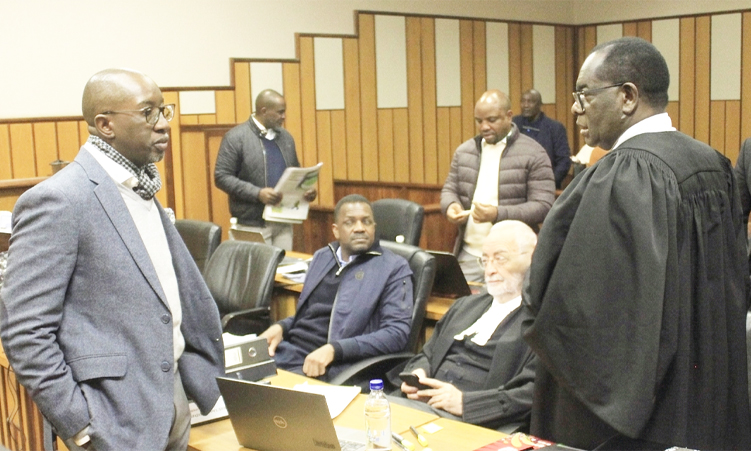
A crucial hearing in the Windhoek High Court for the Fishrot fraud, corruption, and racketeering case was postponed yesterday after the assigned judge, Boas Usiku, recused himself. The application involved four individuals who are accused in the extensive corruption scandal. Judge Usiku cited a personal friendship with the Director General of the Anti-Corruption Commission (ACC) as the reason for his recusal. This relationship, he stated, could create a perception of bias, even if no actual bias existed. The ACC is a key investigative body in the Fishrot case, making its chief's relationship with the presiding judge a significant concern. The postponement means further delays in proceedings that have already been ongoing for some time. The Fishrot case involves allegations of massive bribery and corruption linked to fishing quotas, with numerous high-profile individuals implicated. The court will now need to assign a new judge to oversee this specific civil application. This development highlights the importance of judicial impartiality and the mechanisms in place to ensure public trust in the legal system. The accused were present in court for the scheduled hearing, which ultimately could not commence.
The recusal of Judge Boas Usiku in the Fishrot civil case underscores the critical importance of perceived impartiality within the judicial system. While the judge's voluntary recusal demonstrates adherence to ethical standards, it also introduces procedural delays and potential costs. The situation highlights the complex interplay between personal relationships and professional duties, particularly when state institutions like the Anti-Corruption Commission are central to ongoing legal proceedings. Moving forward, the assignment of a new judge will be crucial, and the court will need to manage public perception to maintain confidence in the integrity of the legal process. This event prompts reflection on the robustness of conflict-of-interest protocols and their application in high-stakes corruption cases, particularly in the context of ensuring timely justice.
AI-generated to prompt reflection — not editorial opinion, not advice, not a statement of fact. How this works.