Fitness tracker alerted user to pregnancy before she knew
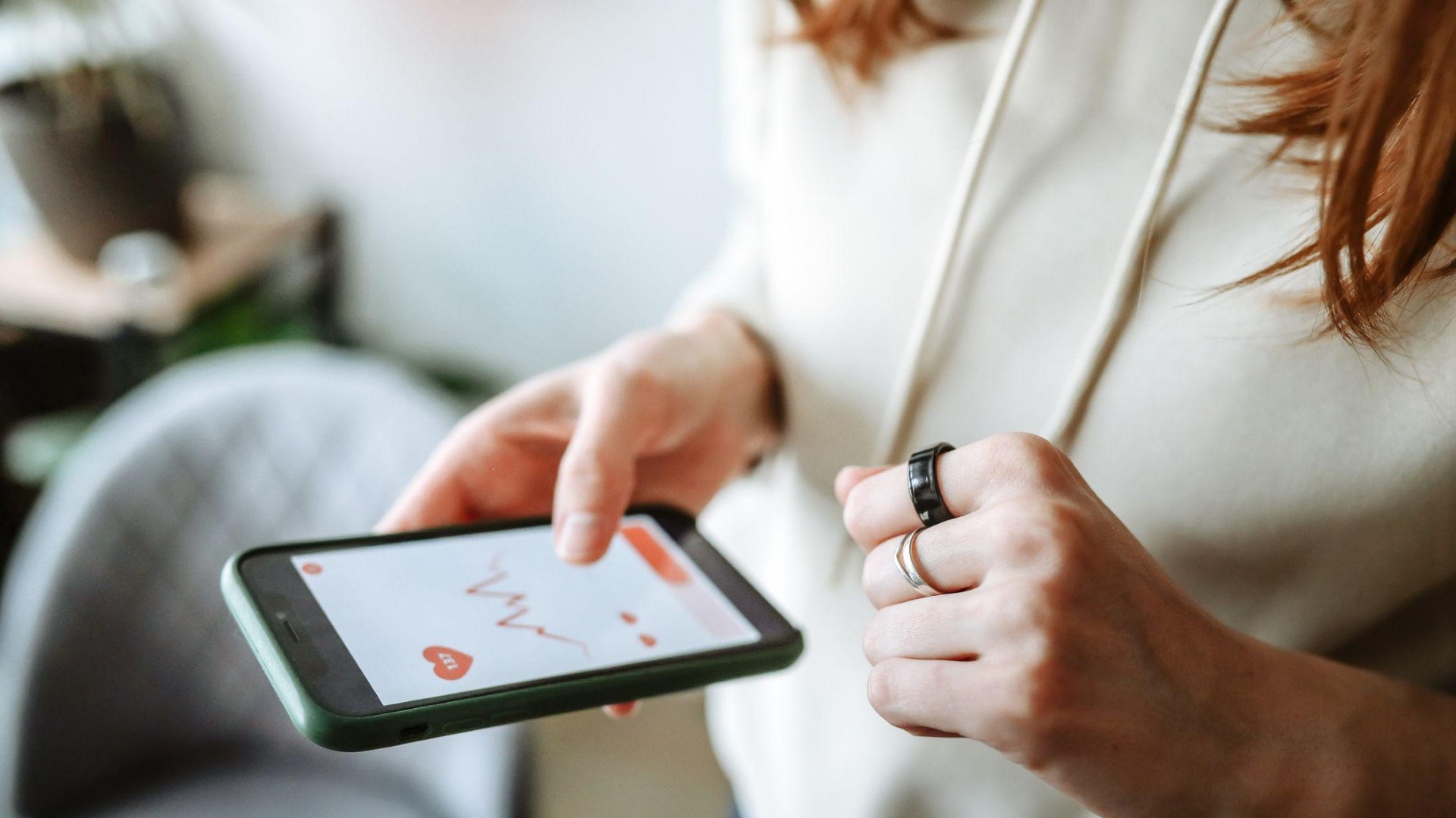
Ravika, a 34-year-old lawyer from central England, received an unusual alert from her Oura smart ring on her birthday. The device indicated a low health score, increased heart rate, elevated body temperature, and decreased heart rate variability (HRV), despite her feeling perfectly well. A week later, as the data remained concerning, she discovered online communities of women reporting similar experiences where their fitness apps signaled pregnancies. Another week passed, and Ravika's pregnancy test came back positive. She experienced cramps, and a phone notification about significant bodily stress prompted her to consult a doctor. Advised to return in 10 days for further examination, Ravika found the waiting period agonizing, leading her to obsessively check her fitness app statistics, waking at 4 a.m. daily to monitor her health data. She described the statistics as an "obsession" and a "life or death situation."
While a missed menstrual period is often the first sign of pregnancy, and most tests detect hormonal changes around that time, Ravika's Oura ring provided an earlier, data-driven alert. She is among hundreds of women reporting that their fitness apps detected pregnancy signs before they were aware. The popularity of health-monitoring devices like smart rings, smartwatches, and smart vests has surged in the UK, with ownership nearly doubling between July 2019 and January 2026. Oura, a prominent smart ring company, is among those whose devices are being used to track early pregnancy indicators, including elevated body temperature, which typically remains high in early pregnancy, unlike the pre-menstrual dip. Some women, like Sofia, 32, have also reported using their Oura rings to detect miscarriages, as a drop in temperature indicated a loss. Sofia used her ring to anticipate two miscarriages before a successful, healthy pregnancy with her now five-month-old son, though she experienced significant anxiety and eventually removed the ring during her first trimester due to worry.
Reproductive medicine consultant Stuart Lavery acknowledges the desire for early information but cautions against excessive reliance on these devices, warning of increased anxiety due to potential inaccuracies and the need for more research on their reliability. Oura's clinical director of women's health, Chris Curry, stated that pregnancy itself is a time of uncertainty, and while the app can be paused if overwhelming, the ring is a supportive tool, not a medical substitute. Tragically, Ravika suffered a miscarriage. Reflecting on her experience, she is reconsidering using her smart device if she suspects pregnancy in the future, suggesting that removing it might be the best course of action if her data indicates low health metrics.
The increasing integration of wearable technology into personal health monitoring presents a dual-edged sword. While devices like the Oura ring offer unprecedented insights into physiological changes, potentially alerting individuals to conditions like pregnancy or miscarriage earlier than traditional methods, they also introduce significant psychological burdens. The data-driven alerts, while potentially beneficial, can foster obsessive behaviors and heightened anxiety, especially during sensitive periods like early pregnancy. This scenario highlights a critical tension between technological capability and human emotional well-being, underscoring the need for robust clinical validation of these consumer-grade health trackers. As these technologies become more pervasive, a public health dialogue is necessary to establish clear guidelines on their interpretation and to manage user expectations, ensuring they serve as supportive tools rather than sources of undue stress or potentially misconstrued medical advice. The long-term implications for healthcare systems and individual mental health require careful consideration as we navigate this evolving landscape of personalized health data.
AI-generated to prompt reflection — not editorial opinion, not advice, not a statement of fact. How this works.